
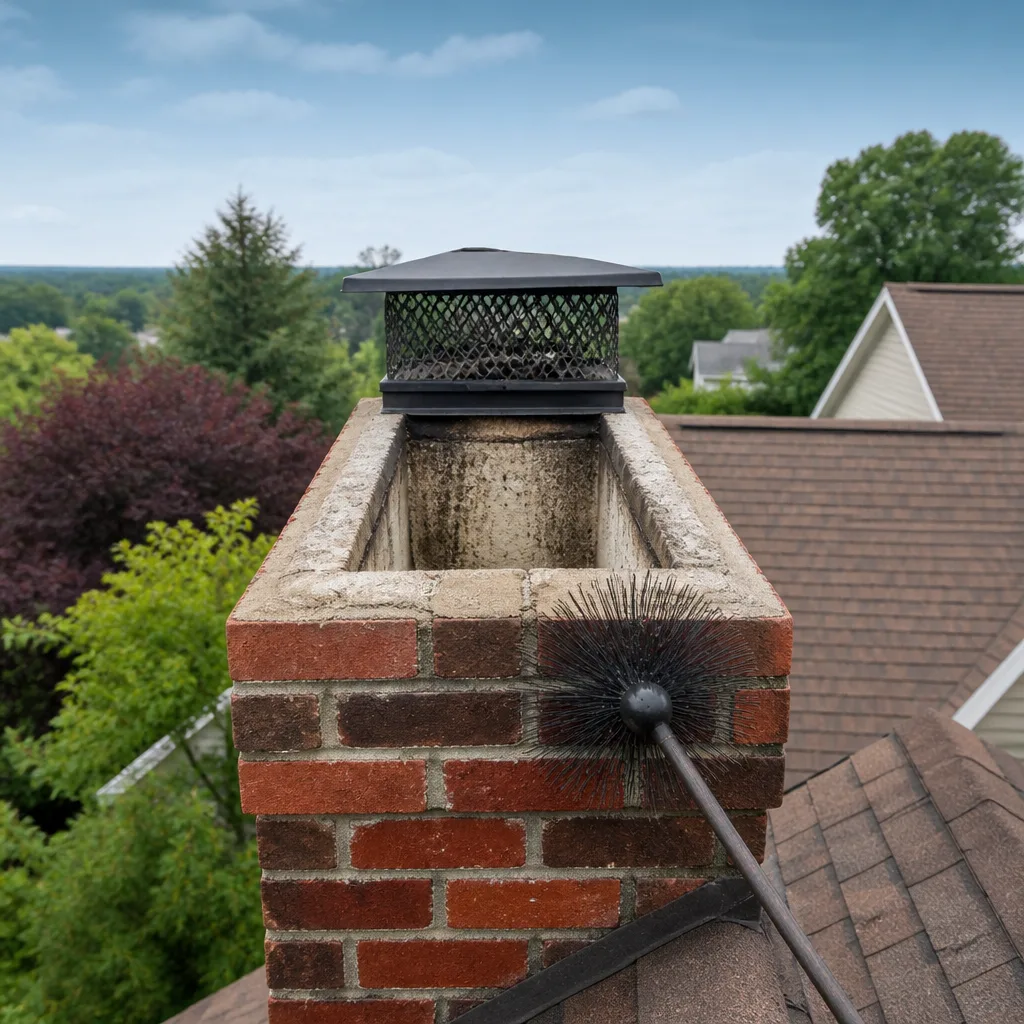
 Sweep & inspection
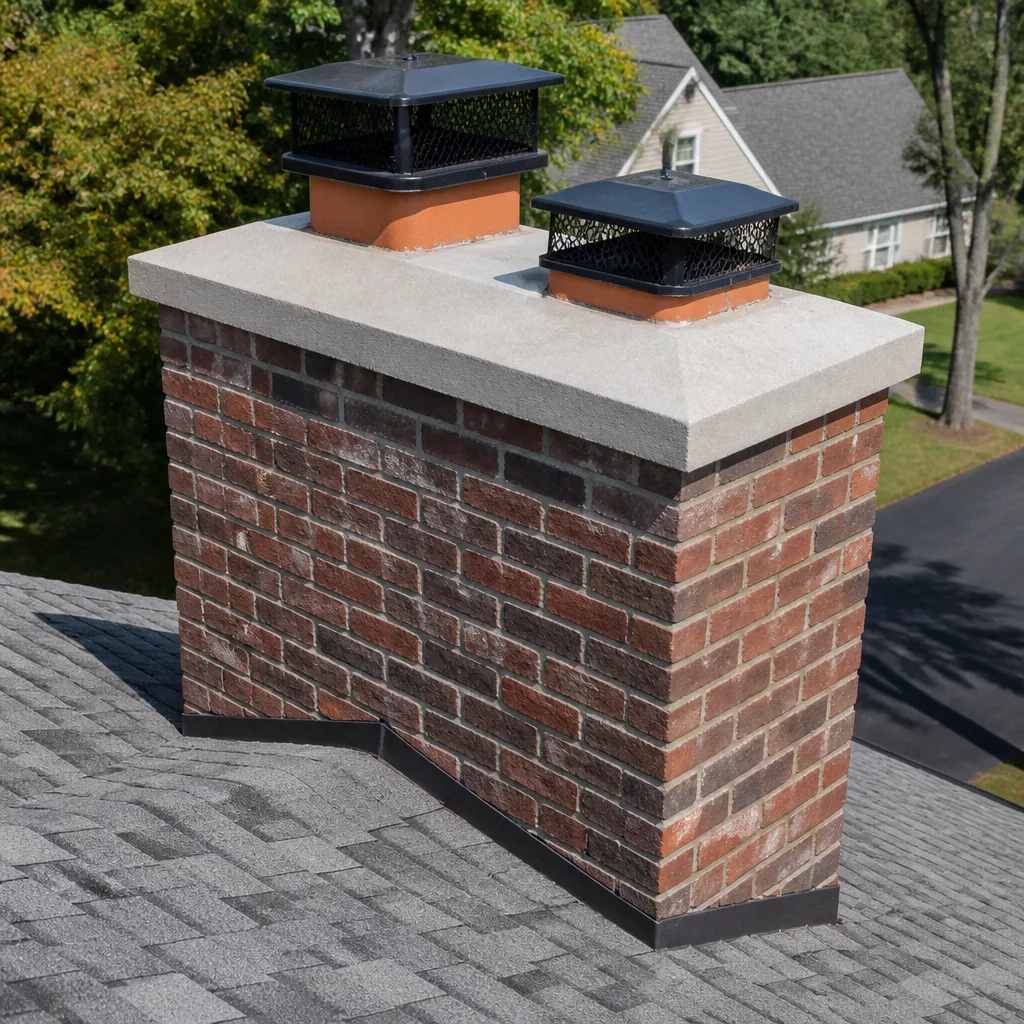 Caps & crowns
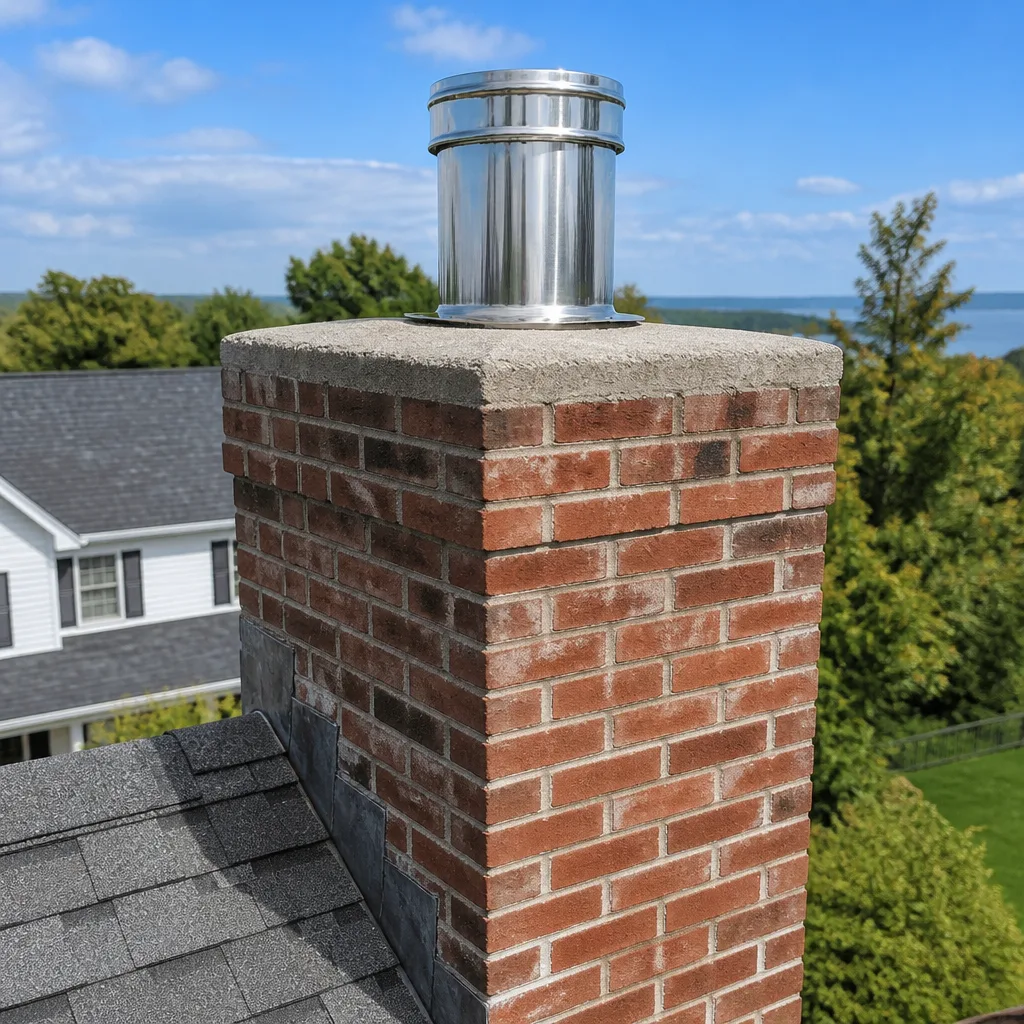 Flue relining
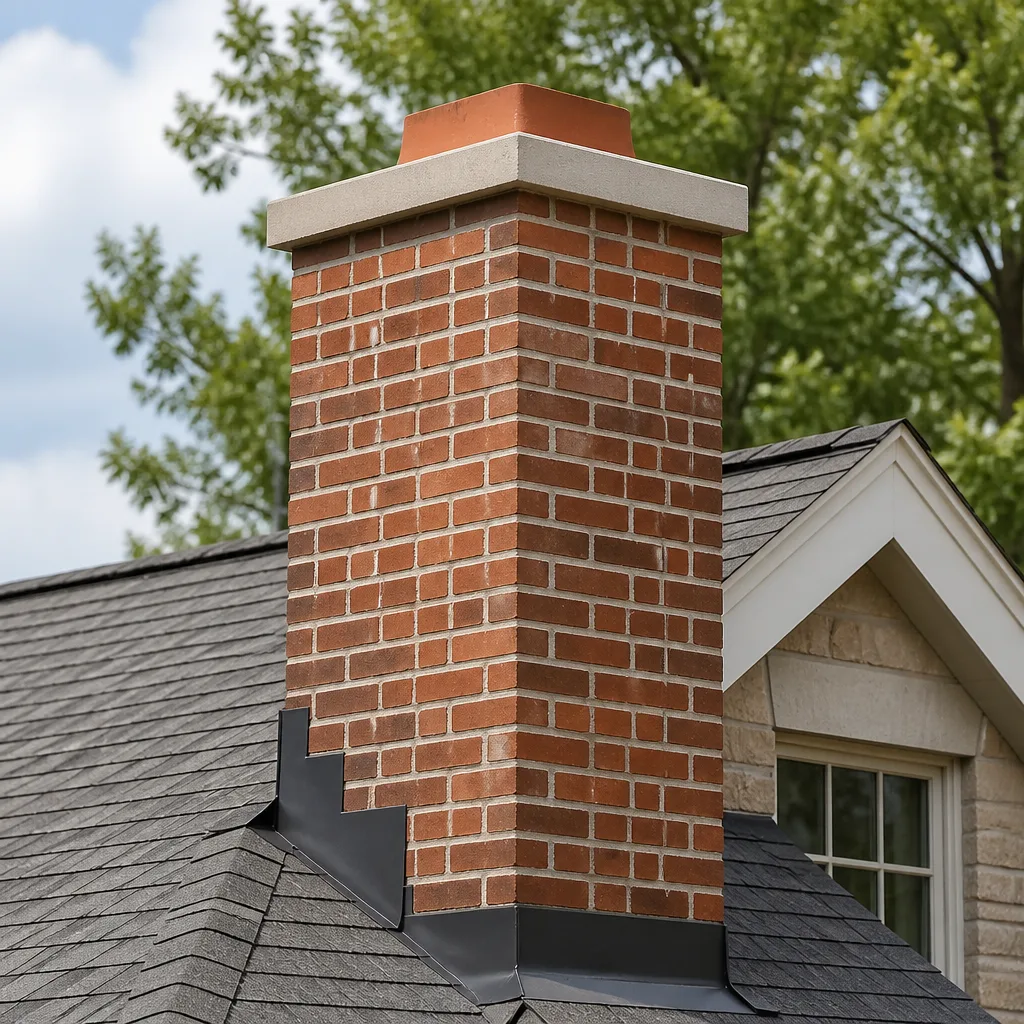 Masonry repair
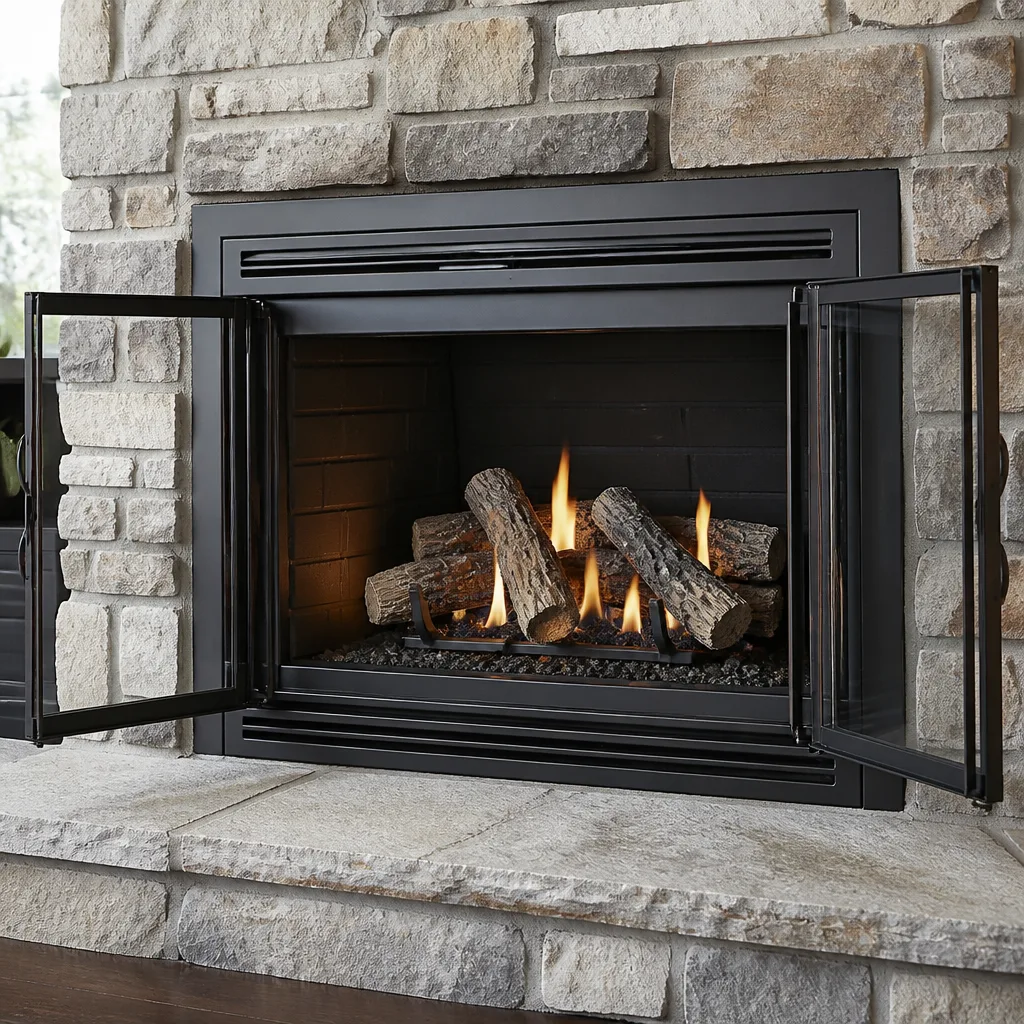 Gas fireplace service
Level 1 sweep and inspection to the NFPA 211 annual standard - flue, crown, cap, and flashing checked and photographed
Chimney sweep logs do not sweep chimneys. They loosen some creosote - which then falls where a brush and vacuum still have to collect it.
Styles & brands we work with
- Sweep & inspection
- Caps & crowns
- Flue relining
- Masonry repair
- Gas fireplace service
See the difference
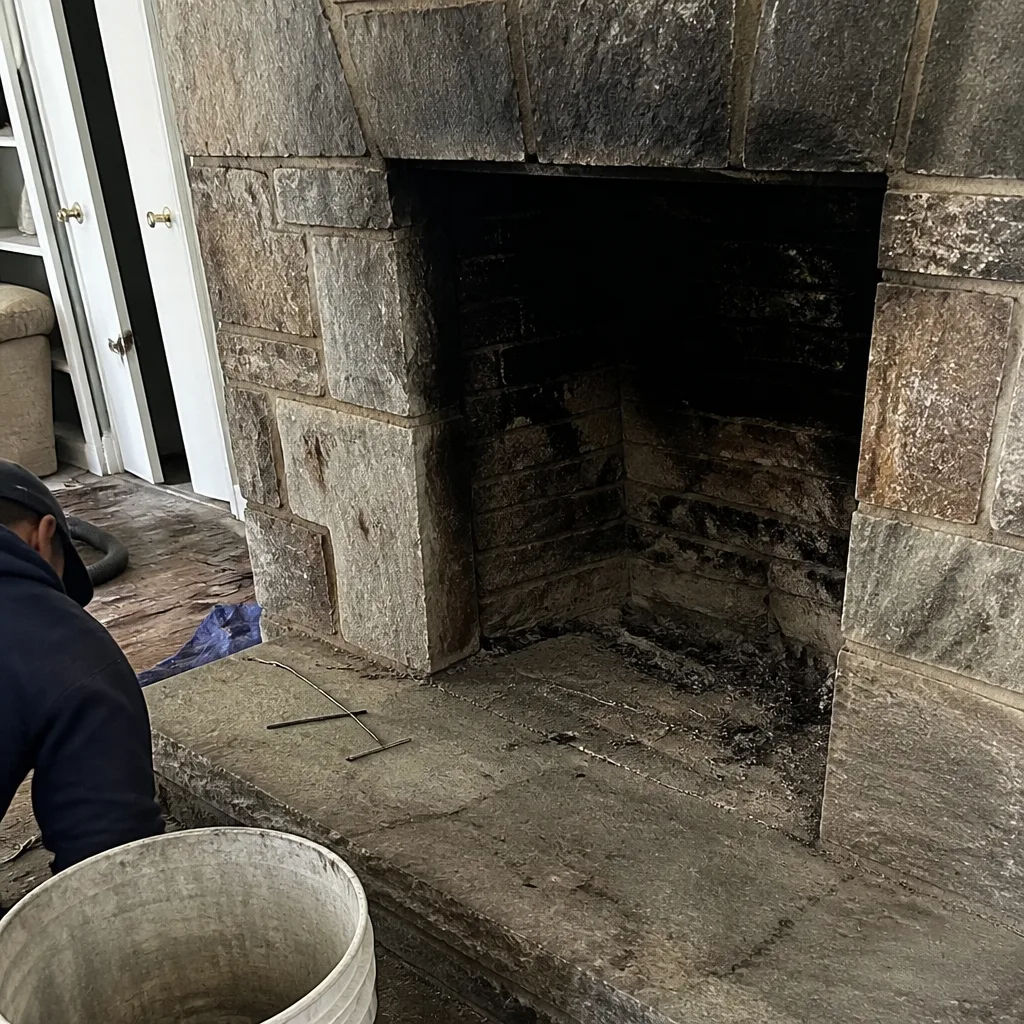 Before
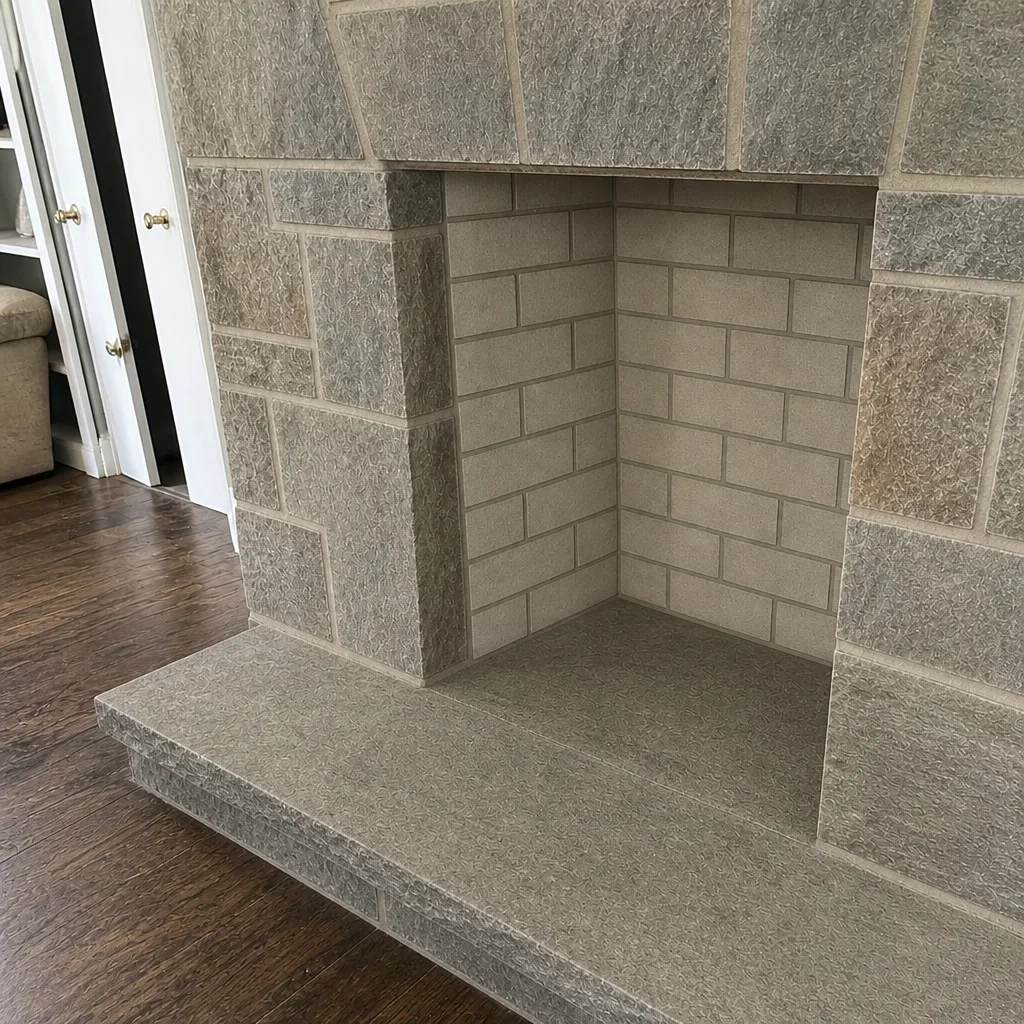 After
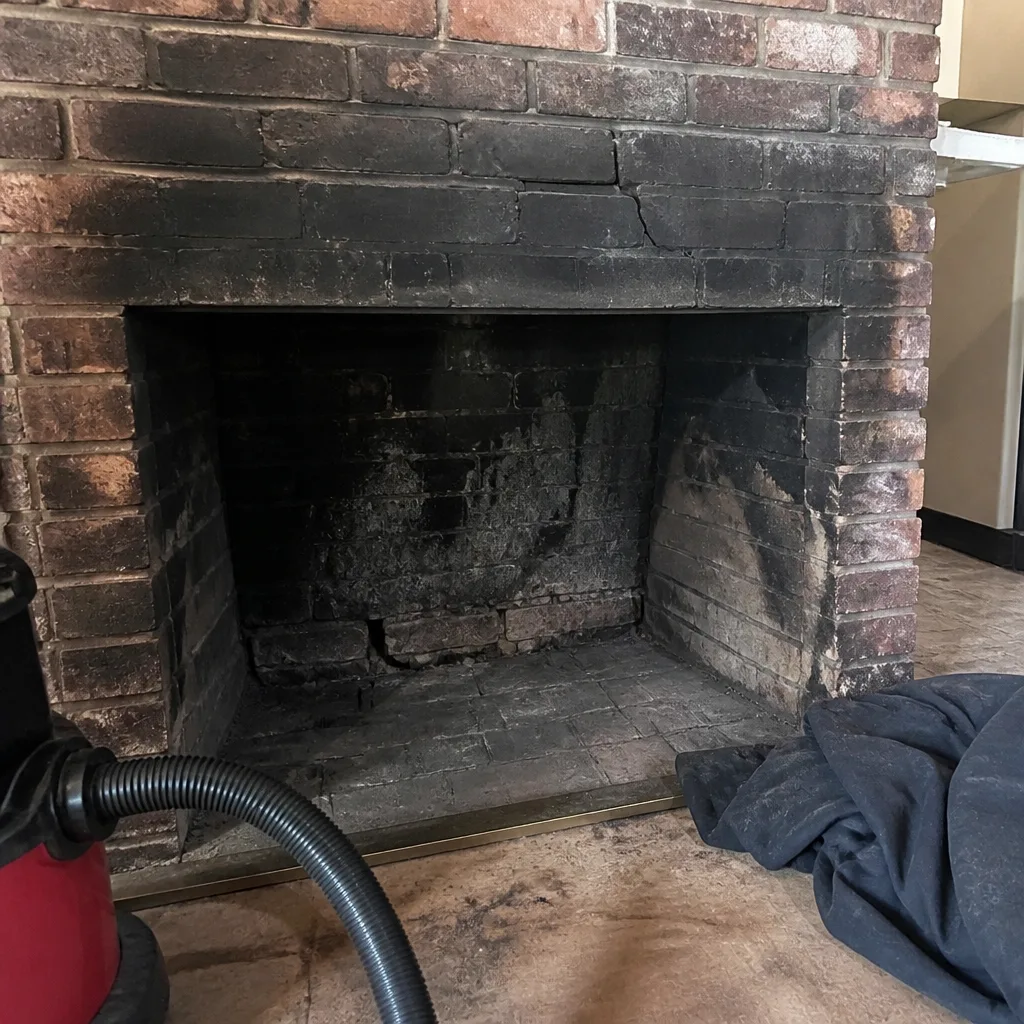 Before
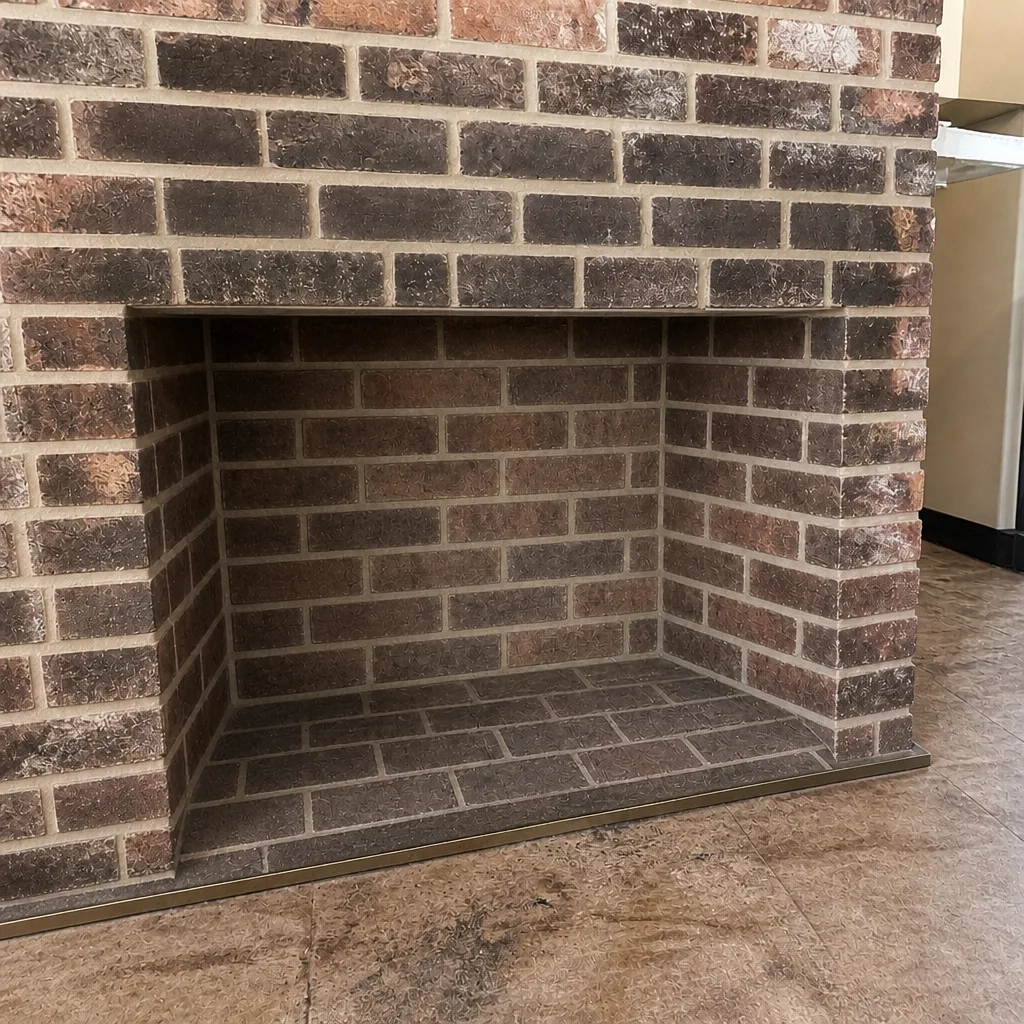 After
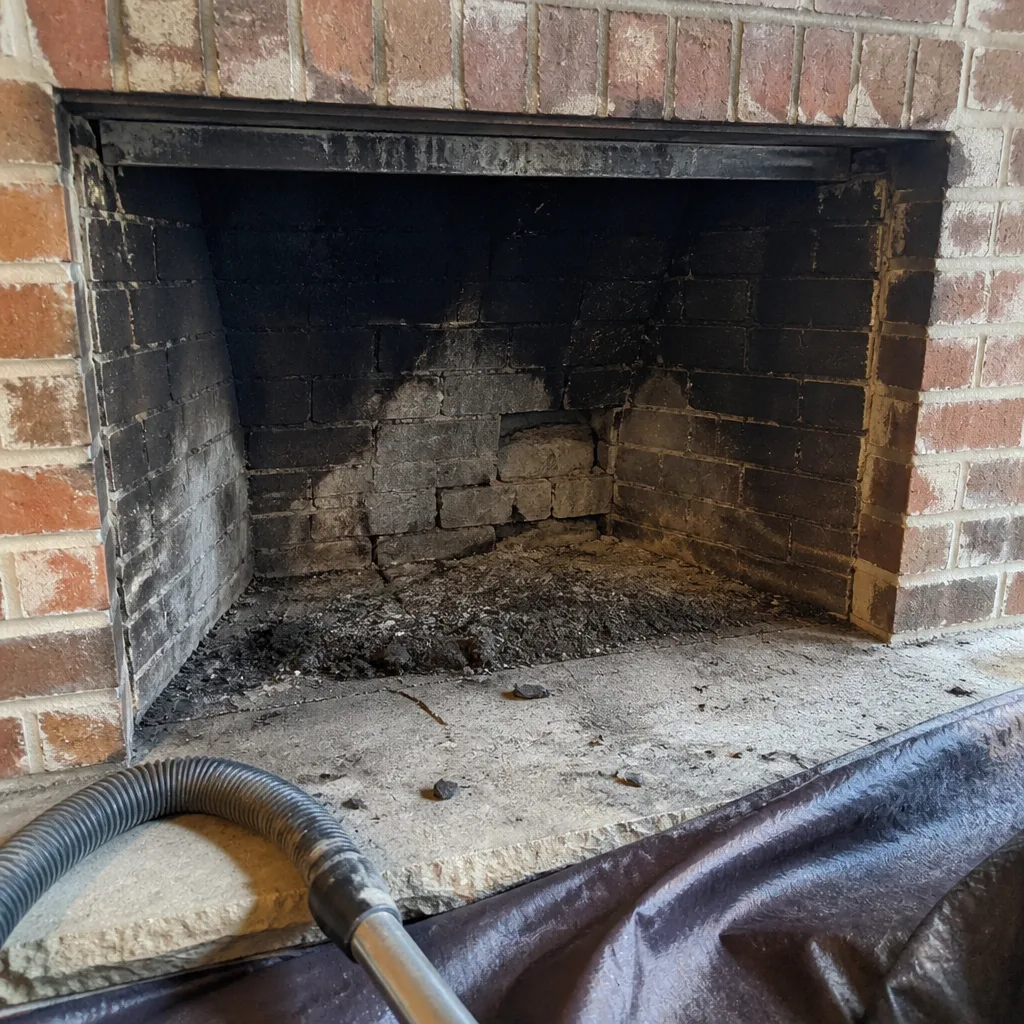 Before
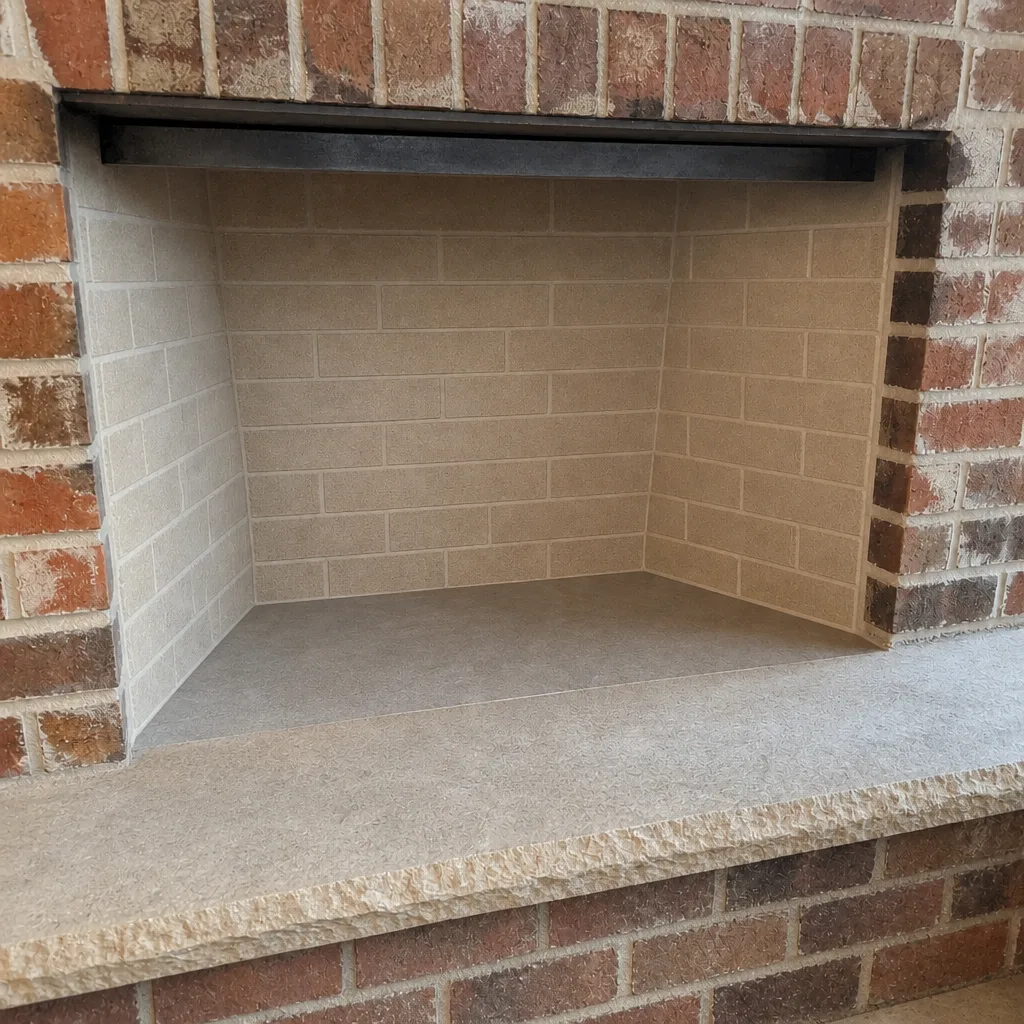 After
How Much Does Chimney Cleaning Cost in East Flatbush?
Chimney cleaning in East Flatbush typically costs $175 to $350 for a standard sweep of a single flue, and most homes land closer to the middle of that range once the technician sees what’s actually inside the flue. A first-time cleaning on a chimney that hasn’t been touched in years, or a sweep that turns up creosote glazing or a cracked crown, can push the job toward $400 or more. Those are estimates for the East Flatbush market in 2026. The written estimate you get before any work starts sets the final price.
We answer 24/7. Fast dispatch from 7am to 7pm, Sunday through Friday. Estimates are free, and the technician inspects before recommending anything.
Key Takeaways
- A standard chimney sweep in East Flatbush runs $175 to $350 for one flue.
- A Level 2 video inspection adds $125 to $275 and is often worth pairing with the sweep.
- Creosote that has glazed onto the flue wall costs more to remove than loose soot.
- East Flatbush’s pre-war housing stock – brick chimneys with clay tile liners – is exactly the kind that needs eyes on it, not just a brush.
- Every job is priced per job by written estimate, and the estimate itself is free.
Chimney Cleaning Cost Breakdown (2026)
Cleaning a chimney is a system job, not a single task. What you pay depends on how many components need attention. Here’s how the line items typically break down for an East Flatbush home.
| Service | Typical Estimated Cost | What It Covers |
|---|---|---|
| Standard sweep (one flue, wood-burning) | $175 – $350 | Brush and vacuum the flue, firebox, smoke shelf, and damper area |
| Additional flue | $100 – $200 each | Sweeping a second or third flue on the same chimney |
| Level 1 inspection (visual, included with sweep) | $0 – $75 | Readily accessible portions of the chimney |
| Level 2 video inspection (standalone) | $125 – $275 | Camera scan of the flue interior, attic, and crawl space access points |
| Heavy creosote removal (glazed, stage 3) | $325 – $600 | Chemical treatment plus mechanical removal of hardened creosote |
| Chimney cap installation | $150 – $450 | Stainless or copper cap sized to the flue |
| Crown repair or rebuild | $300 – $900 | Patching small cracks up to a full crown replacement |
| Firebox and damper repair | $200 – $750 | Rebuilding firebox panels, replacing a stuck or warped damper |
What pushes a job above the low end? Three things show up again and again. The first is creosote condition: light, flaky soot brushes out in an hour, but glazed creosote that has bonded to the clay tile takes chemical treatment and a second visit. The second is access. East Flatbush has a lot of flat-roof and low-pitch rooflines, plus tightly packed row houses where the chimney sits close to a neighboring wall. When roof access is tight, the job takes longer. The third is deferred knowledge: homes that haven’t had a sweep in five or more years often turn up a cracked tile, a missing cap, or a damper that no longer seals, and those turn a cleaning into a cleaning plus repair. When we inspect first, you see exactly what’s there before you commit to a number.
What Affects Chimney Cleaning Pricing in East Flatbush
East Flatbush is not a generic market, and the price reflects it. Here are the factors that move the number up or down.
- Pre-war brick construction. A large share of East Flatbush homes date to the 1920s through 1940s, built with brick chimneys and clay tile liners. Those liners crack with age, and a sweep that finds cracking has to note it, which often leads to a liner assessment. It doesn’t change the sweep price, but it does change what the cleaning uncovers.
- Number of flues. Many East Flatbush rowhouses and detached homes have two or three flues serving different appliances – one for the fireplace, one for a boiler, sometimes a third for a wood stove. Each flue needs its own sweep, and each adds cost.
- Creosote stage. Stage 1 creosote (light soot) is the cheapest to remove. Stage 3, glazed and shiny, requires chemical creosote remover and repeated work. How you’ve been burning matters: seasoned hardwood produces far less creosote than damp or unseasoned wood.
- Chimney height and roof access. A chimney that clears the roofline by a short run is easier to reach than a tall stack. Steep or irregular roofs raise the labor, and so do chimneys boxed in behind parapets, which is common on some of the block’s older buildings.
- Blockages and animal nests. An uncapped chimney in a neighborhood with mature trees invites birds, squirrels, and raccoons. Removing a nest and disinfecting the flue adds $75 to $200 to the job, and a cap prevents the repeat.
- What kind of appliance it serves. A wood-burning fireplace flue is the standard job. An oil furnace or gas appliance flue shifts the scope and often triggers a Level 2 inspection, which adds cost but also tells you whether the liner is still sound.
How to Save on Chimney Cleaning in East Flatbush
You can’t cut the cost of a proper sweep without cutting the sweep itself, and a partial cleaning on a chimney that needs a full one just delays the problem. What you can do is keep the scope from growing.
- Get on a once-a-year rhythm. An annual sweep keeps creosote from reaching the glazed stage. It’s cheaper to clean a yearly-burned chimney than a five-years-neglected one, and the difference in price is real: a routine sweep versus a heavy creosote job can be hundreds of dollars apart.
- Burn seasoned wood. Wood with a moisture content below roughly 20 percent burns cleaner. That means less creosote, an easier sweep, and less chance you’ll be paying for chemical treatment. Splitting and stacking wood in spring for the following winter does the work for you.
- Cap the chimney. A cap is a one-time cost that keeps out rain, leaves, and animals. Without one, you’re paying for a nest removal and a flue cleaning instead of just a flue cleaning.
- Combine the inspection with the sweep. When the technician is already on the roof with the brushes out, a Level 1 visual inspection is included or nearly so. A standalone Level 2 video inspection later costs a separate visit.
- Ask for the written estimate before work begins. Our estimates are free. Call (855) 337-0826 and a technician will price the job in writing so you know the number before anyone touches the flue.
The other side of savings is not overpaying for the wrong fix. A company that only sweeps will clean your chimney and hand you a list of repairs it can’t do. We cover the whole system – sweeping, inspection, cap and crown, chimney repair, and fireplace repair – so you’re not paying twice for a second contractor to come back. When we recommend a liner restoration, the materials come from DuraFlex and HeatShield, the same product lines certified chimney professionals specify. That’s not an upsell; it’s one crew finishing what it started.
Is Chimney Cleaning Worth the Cost in East Flatbush?
Yes, and the math is simple. A standard sweep at $175 to $350 protects a fireplace system that costs thousands to rebuild. Creosote is the fuel for a chimney fire, and a flue packed with it is a liability every time you light a fire. In a neighborhood of older brick chimneys, the risk compounds: a cracked clay tile lets heat reach framing, and a missing crown lets water in to freeze and spall the brick through a New York winter.
Cleaning isn’t the whole answer, though. A sweep removes what’s in the flue; it doesn’t tell you whether the liner is sound or the crown is holding. That’s why we offer chimney inspection as its own standalone service. You can book an assessment with no repair work attached, and we’ll tell you what the system looks like before recommending anything. Your chimney is a system, not just a flue – the cap, crown, liner, firebox, and damper all affect how safely it vents. A diagnostics-first approach catches small problems before they become structural ones.
Chimney Cleaning vs. Chimney Repair: What Are You Actually Paying For?
Homeowners sometimes call for a cleaning and are surprised to hear the word “repair.” Here’s the distinction. Cleaning is maintenance: removing soot and creosote from the flue so the chimney drafts properly and safely. Repair is restoration: fixing a cap that’s rusted through, rebuilding a crown that’s cracked, patching or relining a flue whose clay tiles have failed. A sweep doesn’t fix those things, and a repair doesn’t clean the flue.
What you pay for a cleaning is the labor and equipment to do the maintenance job correctly – brush, rods, industrial vacuum, and a technician who knows where the smoke shelf is and why it matters. What you pay for a repair is materials and time. That’s where our access to professional-grade components matters. Gelco and Olympia Chimney supply the caps, dampers, and related hardware; Copperfield and Famco give us the professional-only components a generalist contractor can’t get through a big-box store. HeatShield’s liner resurfacing system lets us restore a damaged flue without a full reline when the conditions allow it. The right repair, done with the right material, is cheaper over ten years than a patch that fails in two.
How Often Should You Clean a Chimney in East Flatbush?
Once a year for a wood-burning fireplace that gets regular use. If you burn occasionally – a fire on cold evenings through the winter – an annual sweep still makes sense as a check on the whole system. If you burn heavily, or your wood isn’t well seasoned, more frequent cleaning may be warranted. Gas and oil appliance flues have different schedules and should be inspected when the appliance is serviced.
East Flatbush winters are cold enough that most fireplaces here see real use from November through March. That’s enough burning to build meaningful creosote in a season. The pattern that shows up in this neighborhood: homes get swept once, the owners see how much came out, and they call every year after that. That rhythm keeps a routine job at routine prices. For a broader look at how sweeps work in the surrounding area, see our chimney sweep in Brooklyn page.
FAQs – Chimney Cleaning Cost in East Flatbush
How much does chimney cleaning cost in East Flatbush?
Chimney cleaning in East Flatbush typically costs $175 to $350 for a standard sweep of one flue. A job with heavy creosote removal, multiple flues, or a nest removal lands between $400 and $600. The written estimate sets the final price, and estimates are free. Call (855) 337-0826 for an exact quote.
Do I need a chimney inspection along with the cleaning?
Often yes, and a Level 2 video inspection typically costs $125 to $275 on top of the sweep. If your chimney hasn’t been inspected in years, if you’ve had a chimney fire, or if you’re buying the house, the video scan is worth the extra cost. Our technicians have up to 12 years of experience reading what a camera shows and what it means for your liner.
Can you come today?
Same-day service is often available, and we dispatch Sunday through Friday, 7am to 7pm. We answer 24/7 – a call outside dispatch hours is booked into the next opening. Call (855) 337-0826 and we’ll get you on the schedule.
Is it cheaper to repair or replace a damaged chimney liner?
Repair is usually cheaper when the damage is caught early. Relining a chimney through a full liner installation runs substantially more than a HeatShield resurfacing, which restores a flue without removing the existing tiles when conditions allow. The only way to know which applies is a camera inspection, and that inspection costs a fraction of either option. That’s why we quote repairs in writing before work begins – call (855) 337-0826.
Why does creosote stage change the price so much?
Stage 3 glazed creosote can add $150 to $250 or more to a sweep because it bonds to the flue wall and requires chemical treatment plus mechanical removal, sometimes across two visits. Stage 1 soot brushes out in a single pass. Annual cleaning keeps you at stage 1, which keeps the price at the low end of the range.
What Else to Expect From a Proper Sweep in East Flatbush
A real chimney cleaning involves more than a brush down the flue. The technician should protect the floor around the hearth, seal the firebox opening, run the vacuum the whole time, and clean the smoke shelf and damper area where soot accumulates in the corners. Expect them to look at the firebox for cracked mortar, check the damper for a proper seal, and take a look at the crown and cap from the roof or ground. Those checks are what turn a cleaning into useful information.
We use professional-grade components across the whole system – DuraFlex flexible liner systems, HeatShield liner surfacing, Gelco and Olympia Chimney hard parts, Copperfield and Famco professional-only supplies. One call covers the whole job. Nothing gets subcontracted, nothing gets skipped. If a neighboring community is on your mind, our chimney sweep in East New York page covers that area with the same approach.
We answer 24/7. Fast dispatch from 7am to 7pm, Sunday through Friday. Call (855) 337-0826 for a free estimate and a written price before any work starts. Proper repair, not a patch – that’s what an East Flatbush chimney deserves.
Pricing reflects the East Flatbush market as of 2026. Chimney Sweep East New York offers free estimates – call (855) 337-0826.
Written by the team at Chimney Sweep East New York.
What Our Customers Say
"Drop cloths everywhere, HEPA vac, and not a speck of soot on the carpet. I'd been dreading the mess for nothing."
- Carrie Meyer"Liner was cracked in two places. He walked me through the repair options honestly, including the one that was cheaper for him and better for me."
- Jason Sullivan"Swept it, capped it, and installed a proper damper. The downdraft smell in the summer that we'd lived with for years is gone."
- Marcy Kowalski