
Last updated November 22, 2026
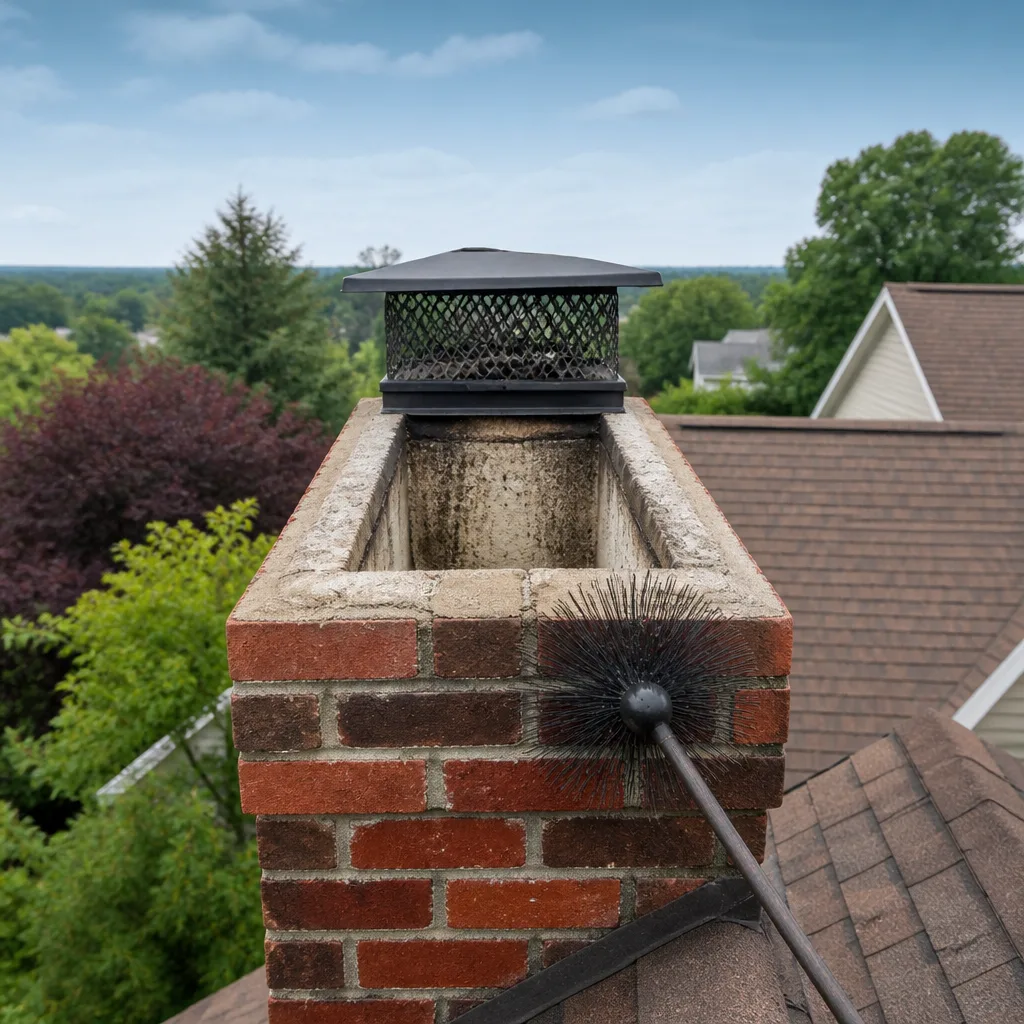 Sweep & inspection
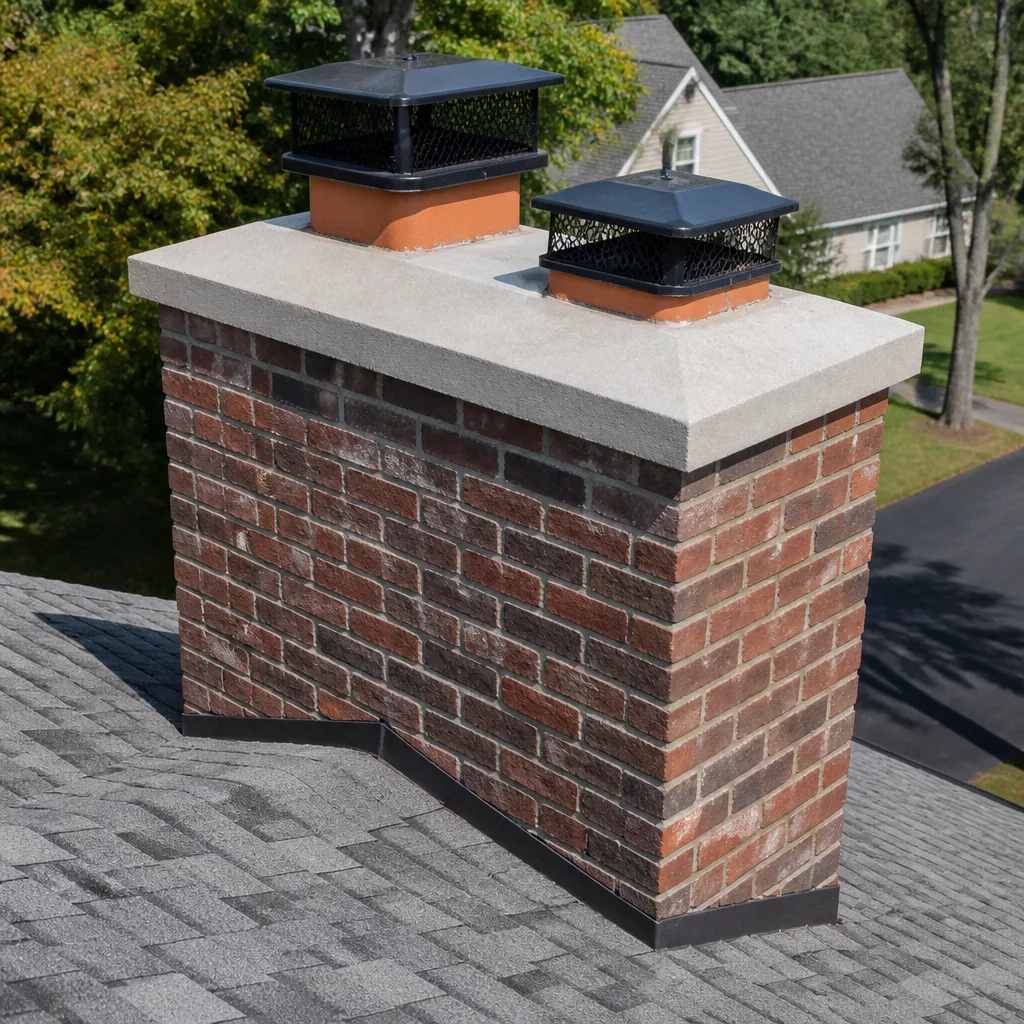 Caps & crowns
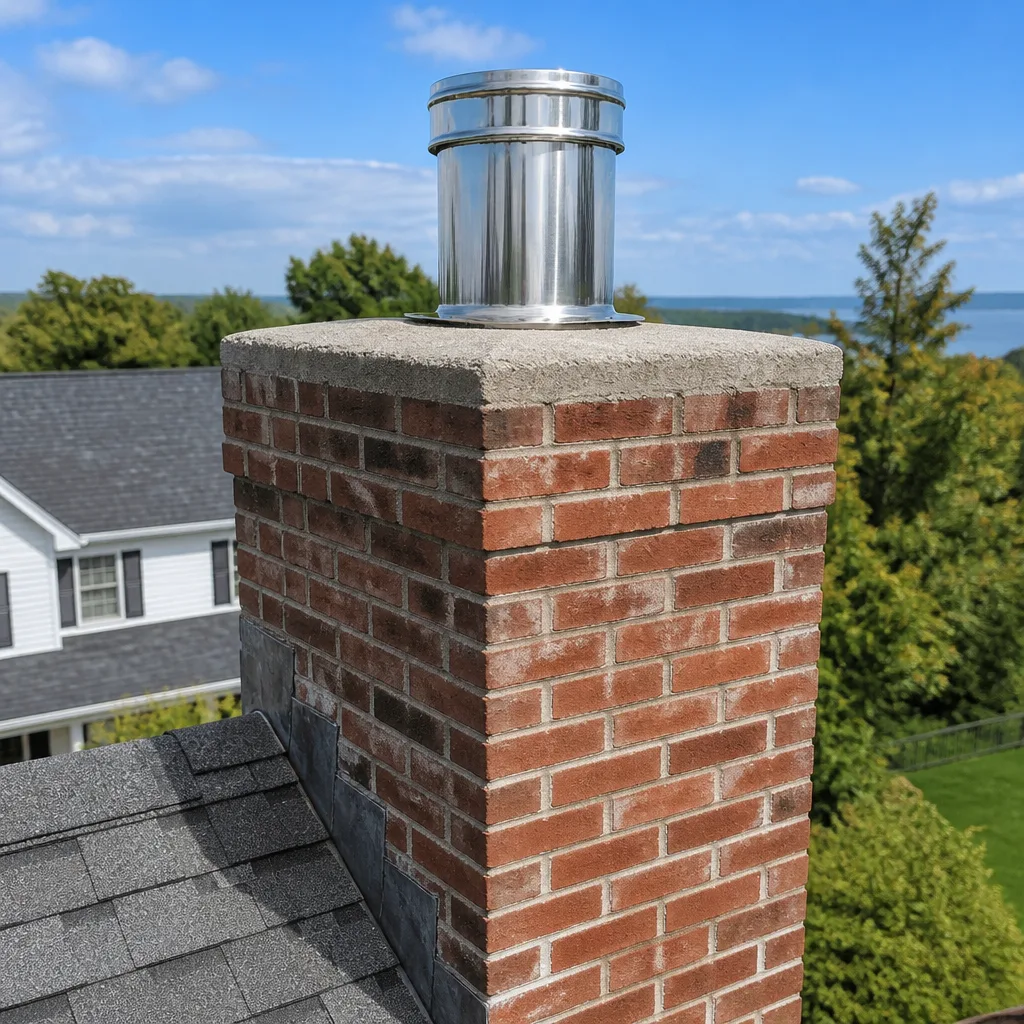 Flue relining
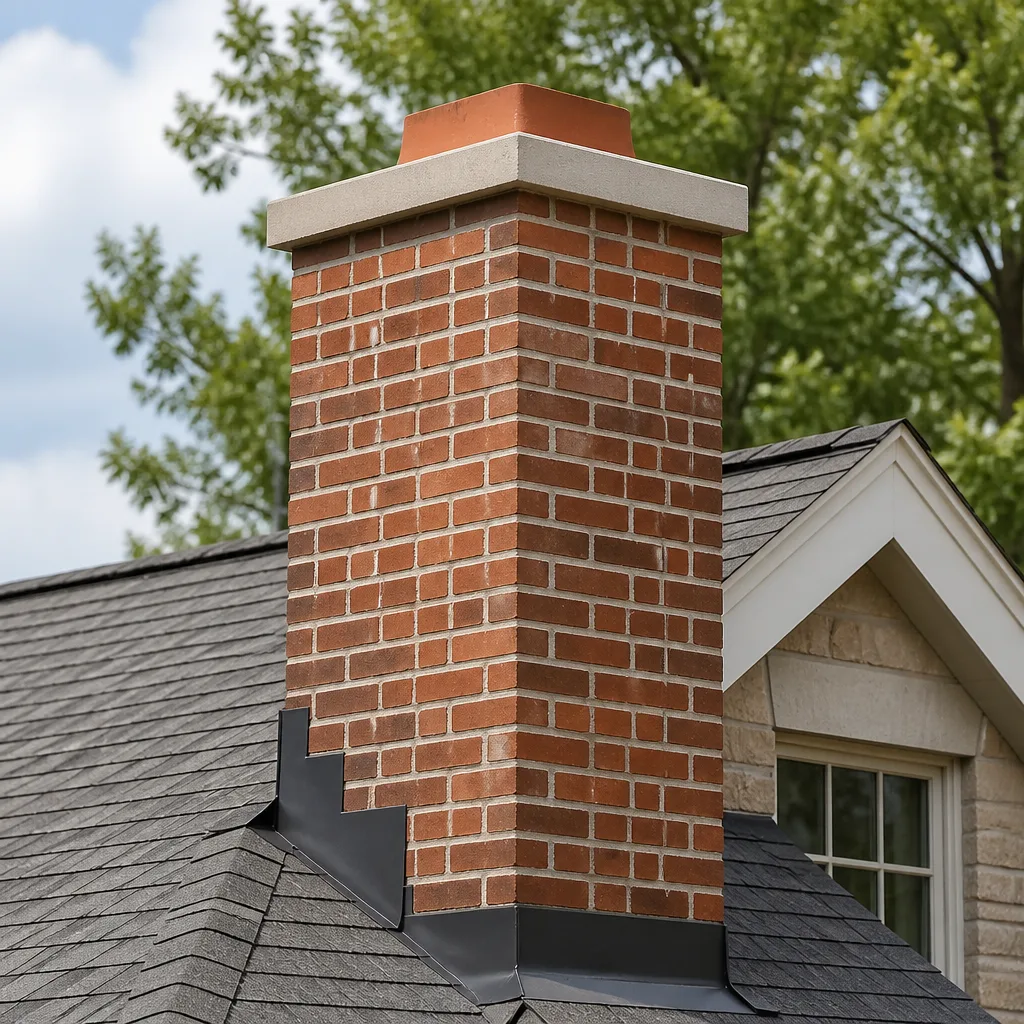 Masonry repair
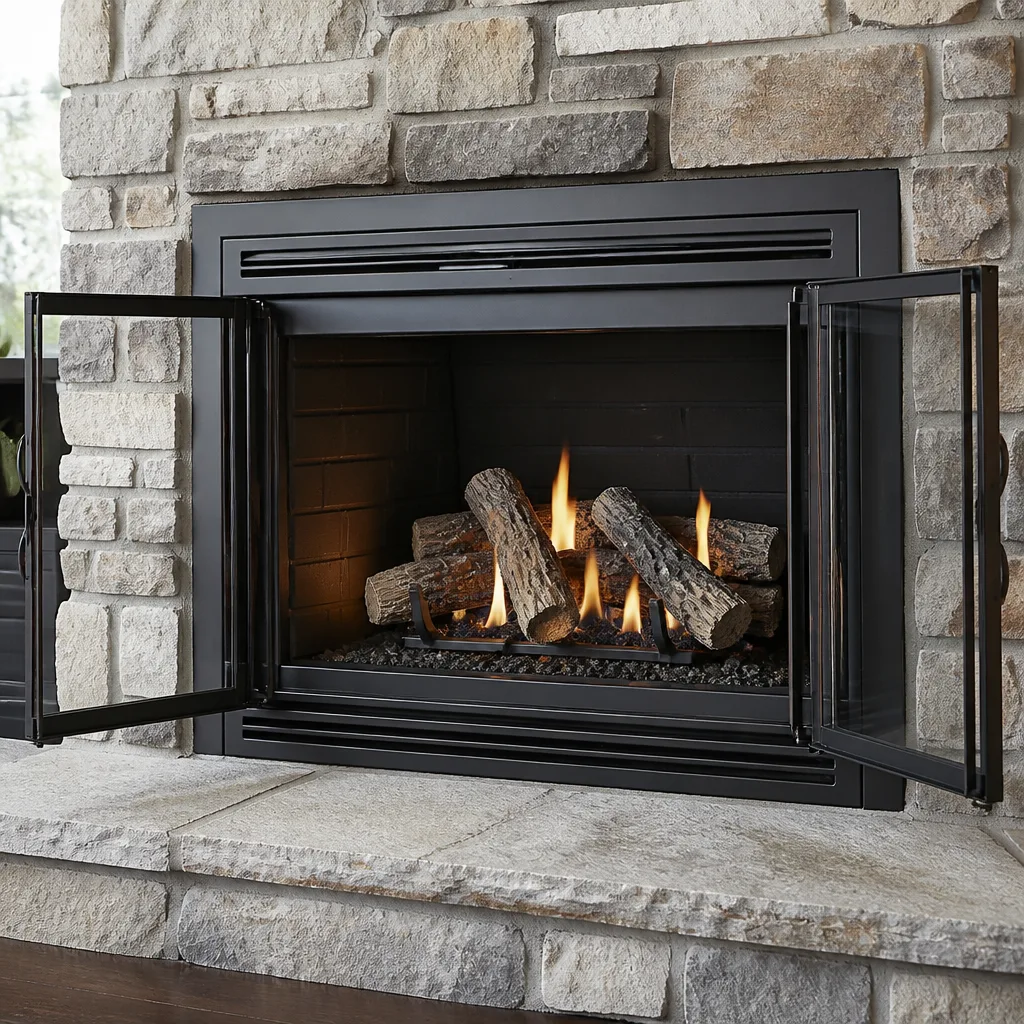 Gas fireplace service
Level 1 sweep and inspection to the NFPA 211 annual standard - flue, crown, cap, and flashing checked and photographed
Chimney sweep logs do not sweep chimneys. They loosen some creosote - which then falls where a brush and vacuum still have to collect it.
How to Hire a Chimney Cleaning Contractor in East New York: A Step-by-Step Guide
The most expensive chimney sweep is often the cheapest quote. That sounds backwards until you understand how the lowball phone price actually works in the outer boroughs: someone offers a sweep for the price of a sandwich, arrives, declares an emergency nobody can see, and the invoice climbs into the hundreds before the first brush comes off the van. The trick works for one reason only. Most homeowners have never seen a legitimate scope of work, so they have no baseline to measure the pitch against. This guide gives you that baseline. By the end you’ll know the five questions that separate a real chimney specialist from a generalist handyman from a bait-and-switch operator, and you’ll know how to read the report you get afterward.
Quick Answer
Hire a chimney cleaning contractor in East New York by verifying five things before you book: the certification body behind the technician (CSIA or NFI), exactly what the base price includes, whether a camera inspection is part of the visit, what documentation you receive at the end, and how repairs get quoted in writing. A legitimate contractor answers all five without hesitation. Anyone who dodges one of them, quotes a repair before inspecting anything, or can’t produce a written estimate is telling you what kind of company they are.
Styles & brands we work with
- Sweep & inspection
- Caps & crowns
- Flue relining
- Masonry repair
- Gas fireplace service
Table of Contents
- The Five Questions to Ask Before You Book a Chimney Sweep
- Red Flags Specific to the East New York Chimney Market
- What CSIA Certification Actually Requires (And Why “Licensed and Insured” Isn’t the Same Thing)
- Chimney Inspection Levels Explained, and What a Level 2 Recommendation Means
- How to Read a Post-Service Report
- Why Three Quotes Beat One Credential Check – and Why They Don’t
- What a Real Sweep Includes Versus What It Doesn’t
- Materials Matter: How to Judge the Repair Quote Itself
The Five Questions to Ask Before You Book a Chimney Sweep
Every screening call comes down to five questions, and the answers take about six minutes to collect. A legitimate chimney specialist answers them plainly, because the answers are the same on every call. An operator working a script starts improvising somewhere around question three. Here’s what to ask and what a solid answer sounds like.
- Which certification body certified your technician? The two that matter in this trade are the Chimney Safety Institute of America (CSIA) and the National Fireplace Institute (NFI). Ask for the certification name, not just “we’re certified.” A certified technician can tell you which body issued it and roughly what the exam covers.
- What exactly does the base price include? A real sweep price covers brushing the flue, removing the creosote and soot, checking accessible components, and cleaning up. If the base price turns out to be “we come out and look,” you’re paying for a sales visit, not a sweep.
- Is a camera inspection part of the visit, and is it included? Modern chimney work is diagnostic. A video camera run down the flue shows the liner’s condition, joint integrity, and any obstructions. A contractor who inspects with a flashlight and a guess is limiting what they can honestly tell you.
- What documentation do I get when you leave? You should receive a written report describing what was found, what was cleaned, and what – if anything – needs attention. Photos or video of anything flagged is the standard you want.
- How do you quote repairs? The answer should be: in writing, after the inspection, itemized. A repair price quoted on the phone before anyone has seen the flue is a number pulled from the air.
Write the answers down while you’re on the call. Comparing written answers across two or three contractors is far more reliable than trying to remember who said what. It also removes the pressure of a salesperson talking over your recollection.
Red Flags Specific to the East New York Chimney Market
East New York’s housing stock is a mix of older detached homes, rowhouses, and converted multi-family buildings, and the chimney service market around them includes legitimate specialists, generalist handymen who sweep chimneys between gutter jobs, and fly-by-night operators who appear in a neighborhood for a season. All three types can sound similar on the phone. The differences show up in what they’re willing to put in writing and where they can actually be found.
- No physical business address. A legitimate chimney company can tell you where it operates from and can produce a written estimate with a business name on it. A PO box or a cell number alone is a warning, not a dealbreaker by itself, but it should raise your guard.
- Refusal to give a written quote. “We’ll work it out when we get there” is not a price. Any contractor who won’t put a scope and a number on paper before work begins is leaving the door open to adjust the bill later.
- Upselling on the first call, before any inspection. If a company tells you on the phone that you probably need a liner, a crown, or a rebuild – before anyone has laid eyes on the flue – you’re hearing a sales pitch, not a diagnosis. Real recommendations come after an inspection, not before it.
- Unmarked vehicles and no identification. A technician arriving in an unmarked van with no company ID, no business card, and no written paperwork is a technician you can’t trace. Ask for identification before anyone works on your chimney.
- Pressure to decide today. A genuine safety issue is worth acting on. But no legitimate contractor needs an answer in the next ten minutes. If the “emergency” requires an immediate signature, step back and get a second opinion.
- A price that seems too low for a real visit. A sweep involves travel, setup, drop cloths, brushing, cleanup, and usually a camera inspection. A price that seems to leave no room for any of that is a door-opener, and the real invoice comes later.
These signs overlap, and that’s the point. One flag might be a small company with a disorganized front office. Two or three together point to an operation built around the upsell. In our experience working across East New York, the contractors worth hiring tend to volunteer information rather than defend it.
What CSIA Certification Actually Requires (And Why “Licensed and Insured” Isn’t the Same Thing)
Homeowners often treat “licensed and insured” as a complete credential. It isn’t. In New York, “licensed and insured” describes a contractor’s general business standing – it says something about liability coverage and local business registration – but it says nothing about whether the technician sweeping your flue knows what creosote ignition looks like, how a liner should be sized, or what a proper inspection covers. Those come from trade certification, and that’s where CSIA and NFI come in.
The CSIA certification is a trade credential specific to chimney and venting work. Earning it requires passing an exam that covers the chimney as a system – venting principles, combustion, the anatomy of a flue, and safety standards – and maintaining it through ongoing education. NFI certification covers hearth appliances, like gas and wood stoves and inserts. A technician holding both is a technician who understands both the venting and the appliance side of the system, which matters when the problem might originate at either end.
What “licensed and insured” does tell you: the contractor carries liability coverage, which protects you if something goes wrong on your property, and meets whatever local registration requirements apply to the work. That’s worth confirming. But the two credentials answer different questions. Licensing tells you the contractor is accountable in a business sense. Certification tells you the technician is accountable in a technical one.
Ask for both. A company that treats the question as reasonable is a company used to being asked. A company that gets defensive about it is telling you something useful.
Chimney Inspection Levels Explained, and What a Level 2 Recommendation Means
A chimney inspection isn’t one thing. The trade standard recognizes three levels of inspection, and knowing which one you’re getting – and which one you actually need – keeps you from paying for something redundant or skipping something important.
- Level 1 inspection. A visual check of readily accessible parts of the chimney and venting system, done with the usual tools. This is the baseline that goes with any routine sweep, and it’s appropriate when nothing in the system has changed and there’s no known problem.
- Level 2 inspection. Everything in a Level 1, plus inspection of accessible areas that a Level 1 doesn’t reach, and typically a video camera run through the flue. This is the level you want when the property is changing hands, after a chimney fire or a damaging event, after an appliance or fuel change, or when there’s a known issue or performance complaint.
- Level 3 inspection. The most involved level, used when a Level 1 or Level 2 finds a problem that can only be diagnosed by accessing concealed parts of the system. Level 3 inspections are targeted at a specific concern and are not routine.
When a contractor recommends a Level 2 inspection, they’re usually telling you one of two things: the situation calls for a camera run through the flue, or there’s a change in the system that warrants a closer look. That’s a reason to ask what specific condition prompted the recommendation and what the camera showed. A recommendation to move up a level should be backed by a clear reason, not just a concern that something might be wrong. Because we offer chimney inspection as an independent service separate from sweeping or repair, the assessment itself isn’t tied to a repair sale.
A Level 2 inspection recommendation is not automatically an upsell, and it’s not automatically necessary either. Ask for the specific reason. Ask whether the camera footage will be shared with you. A contractor who can’t tell you what prompted the recommendation either doesn’t know or would rather not say.
How to Read a Post-Service Report
The report you get after a sweep is the most useful document in the whole relationship. It’s the record of the flue’s condition at a point in time, and it’s what a future contractor will want to see if a problem comes up. A report that says “chimney cleaned, all good” in one sentence isn’t a report; it’s a receipt. Here’s what a useful one should contain.
- What was cleaned and how. The flue should be described, and the method noted – brushing, and whether a camera was used before and after.
- What the cavity inspection found. Any cracks in the flue tiles, gaps in the liner, damaged mortar, or obstructions should be described in plain language, along with their location.
- What the exterior components look like. The cap, crown, flashing, and whatever is visible of the chimney’s exterior structure should be noted, since these are where most chimney problems first show up.
- Photographs or video of anything flagged. If the report says a flue tile has a crack, a photo of the crack is what turns a claim into evidence. Ask for it, and expect it.
- Recommendations, with a priority. Anything found should be sorted into what should be handled before next season and what can safely wait. Not every finding is urgent, and a contractor who treats them all as urgent isn’t giving you a prioritized report.
Read the report the day it arrives. If anything in it is unclear, call and ask. A contractor worth keeping will explain, and the explanation will match the report. Because we’re a full-system chimney specialist, a repair recommendation flows into a written scope of work from the same team – no handoff to a second crew mid-project, and no gap where the diagnosis and the estimate don’t quite match.
If your next step is a routine cleaning, Chimney Sweep East New York is where to start the conversation.
Why Three Quotes Beat One Credential Check – and Why They Don’t
Conventional advice says get three quotes. On chimney work, that advice is half right. Three prices only tell you something when each price is based on the same scope of work, and home inspection logic doesn’t translate cleanly to chimneys. A sweep is a defined task; the real questions – certification, camera inspection, documentation, and how repairs get quoted – don’t get answered by comparing three numbers.
What three quotes actually do well: they show you the spread in the market and they sometimes expose a lowball. What they don’t do: verify the credentials of the company behind the quote. Two contractors can quote the same sweep and be worlds apart in what happens once they’re in your chimney. What protects you is verifying one contractor thoroughly, not collecting three unexamined prices.
Here’s how we’d sequence it in practice:
- Ask the five questions to two or three contractors. Write the answers down. This is the screening stage.
- Pick the one whose answers are complete and specific. That’s your contractor for the inspection and the sweep.
- Get the report and any repair recommendations in writing. This is where the real cost lives, and where a second opinion is genuinely valuable.
- If a repair is recommended, get a second quote from a certified specialist. Compare the scope, not just the total. Two quotes for two different scopes aren’t comparable.
Compare scope, not price. A quote for a crown restoration that includes a HeatShield application or a DuraFlex reline is probably going to be higher than a quote that just says “repair crown.” The two aren’t the same job. When you compare, line up what each contractor proposes to do, what materials they’d use, and whether the work is documented. That’s the comparison that matters.
What a Real Sweep Includes Versus What It Doesn’t
A chimney sweep in the proper sense is a defined scope of work: clean the flue, remove the deposits, check the accessible components, and document what’s there. It’s not a blank check, and it’s not an hour of unsupervised work followed by a sales presentation. Knowing the boundaries of the scope is what keeps you from being surprised by how the visit unfolds.
A complete sweep visit typically includes:
- Protective floor coverings around the hearth and work area.
- Brushing of the flue to remove soot and creosote, using the appropriate brush for the flue’s size and material.
- Removal of debris from the firebox and smoke chamber, including any bird nests, leaves, or fallen masonry.
- Inspection of the firebox, damper, smoke shelf, and the accessible portion of the flue.
- A visual check of the cap and crown, since these are the chimney’s first line of defense against weather.
- Cleanup of the work area, and a written report on what was found.
What a sweep visit typically doesn’t include: repairs, a liner replacement, crown work, or a full Level 2 or Level 3 inspection. Those are separate scopes with separate prices. Sometimes a sweep finds something that changes the plan – a cracked flue tile, a failed cap – and the visit becomes the start of a repair project. That’s normal. What matters is that the transition from sweep to repair is agreed in writing before the repair starts.
The longer-term picture is that a chimney is a system, not just a flue. The firebox, smoke chamber, damper, flue, cap, crown, and the masonry around all of them work together, and a failure at any one point affects the others. That’s why a contractor who only sweeps and won’t diagnose across the whole system leaves you calling a second contractor for the other half of the problem. When we work in East New York, the full-system view is the reason we carry the sweep, the chimney cap & crown, structural, and fireplace repair work in one scope.
Materials Matter: How to Judge the Repair Quote Itself
The materials in a repair quote tell you as much about the contractor as the price does. Chimney repair has a professional supply channel – the brands that certified chimney sweeps specify – and a big-box channel that carries generic substitutes. The two aren’t always visible in the invoice, but they show up in how long the repair lasts.
Professional chimney contractors tend to work with a defined set of product lines. DuraFlex flexible liner systems are the professional-grade relining option used by certified sweeps, and they’re what you want specified in a relining quote rather than a generic liner. HeatShield is a proprietary liner resurfacing system that restores a damaged flue without a full reline, and it’s only as good as the technique of the technician applying it. Famco and Copperfield components show up in professional repair and cap work. When a quote names these products, it’s telling you the contractor has access to the professional supply channel.
What a proper repair quote should specify:
- The product or system by name – DuraFlex, HeatShield, or the specific Famco or Copperfield component – rather than a generic description.
- The scope of work in steps – what gets removed, what gets installed, and what gets tested.
- The reason for the repair, tied back to what the inspection found.
- What happens after – how the repair is checked, and what documentation you receive.
A quote that doesn’t name the materials is a quote you can’t compare to another one. If two contractors quote the same repair and one names HeatShield while the other says “resurfacing,” those aren’t the same job. The named product gives you something to verify, and verification is what keeps a repair from being a patch that fails in a season. A proper repair, not a patch, is the standard to hold the quote to.
When it’s time to commission repair work, chimney repair should start with a written scope, not a phone estimate.
Common Mistakes to Avoid
- Booking on price alone. The lowest quote is often the door-opener for the upsell later. The cost of a sweep is a small part of the total; the cost of a misdiagnosed flue is not.
- Skipping the certification question because the phone manner was friendly. A pleasant call isn’t a credential. Ask for the certification body and write down the answer.
- Accepting a repair quote given over the phone. Nobody can price a liner replacement without seeing the flue. A phone quote for repair work is a guess dressed up as an estimate.
- Not asking for the inspection photos. If the report says something is cracked or damaged, the photo is the proof. Without it, you’re taking the word of the person who stands to profit from the repair.
- Comparing three quotes for two different scopes. Two quotes only compare if the scope matches. Line up the materials and the work, not just the totals.
- Treating a Level 2 inspection as automatically unnecessary. If a contractor recommends one, ask why. There’s a real reason or there isn’t; the answer tells you which.
- Letting an unmarked van do the work without ID. Ask for identification and a business card. A legitimate company won’t hesitate.
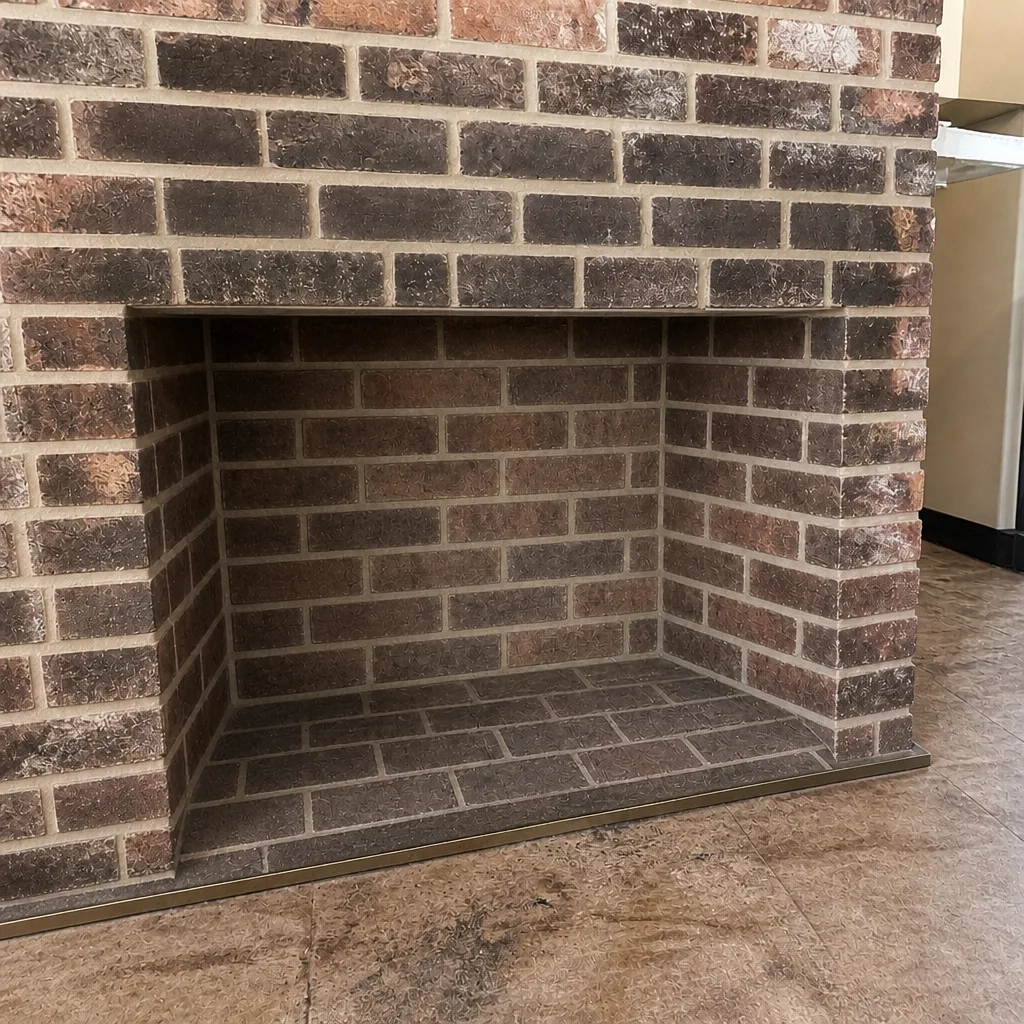
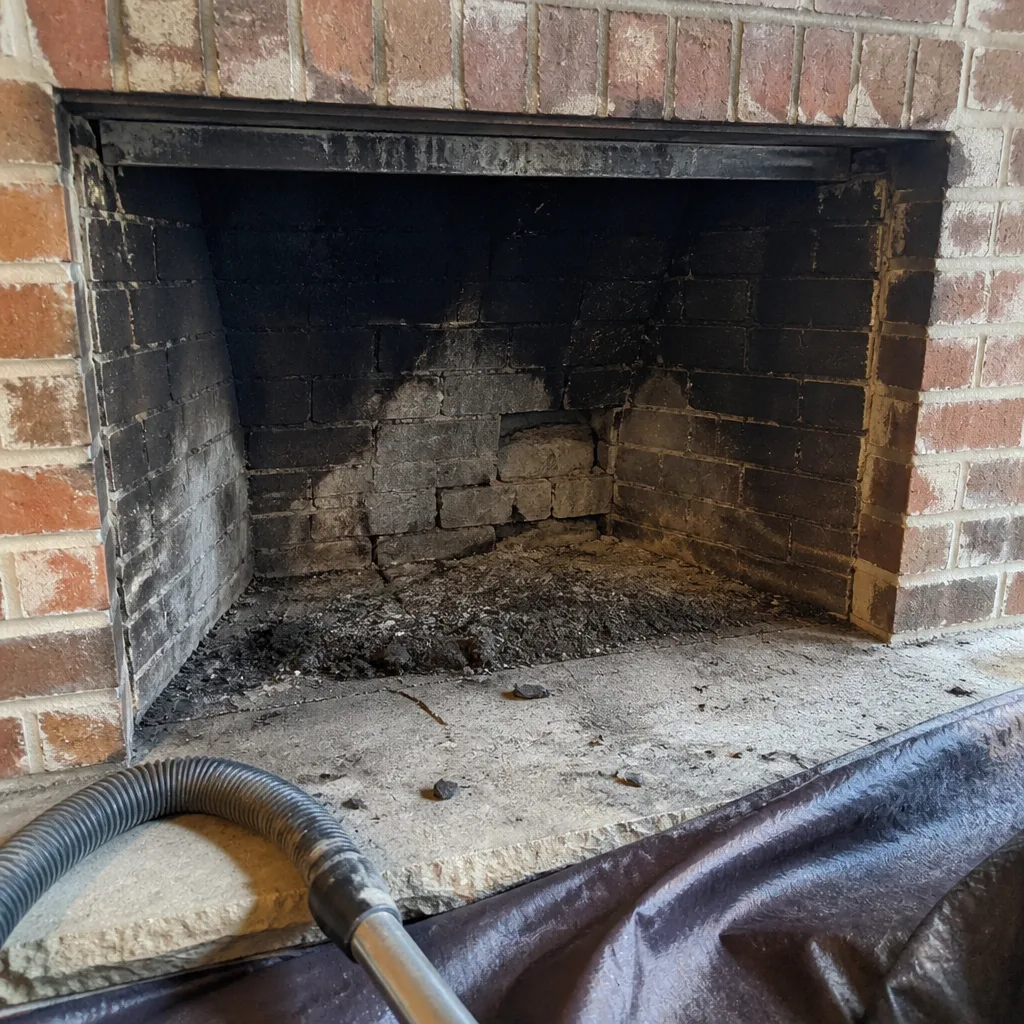
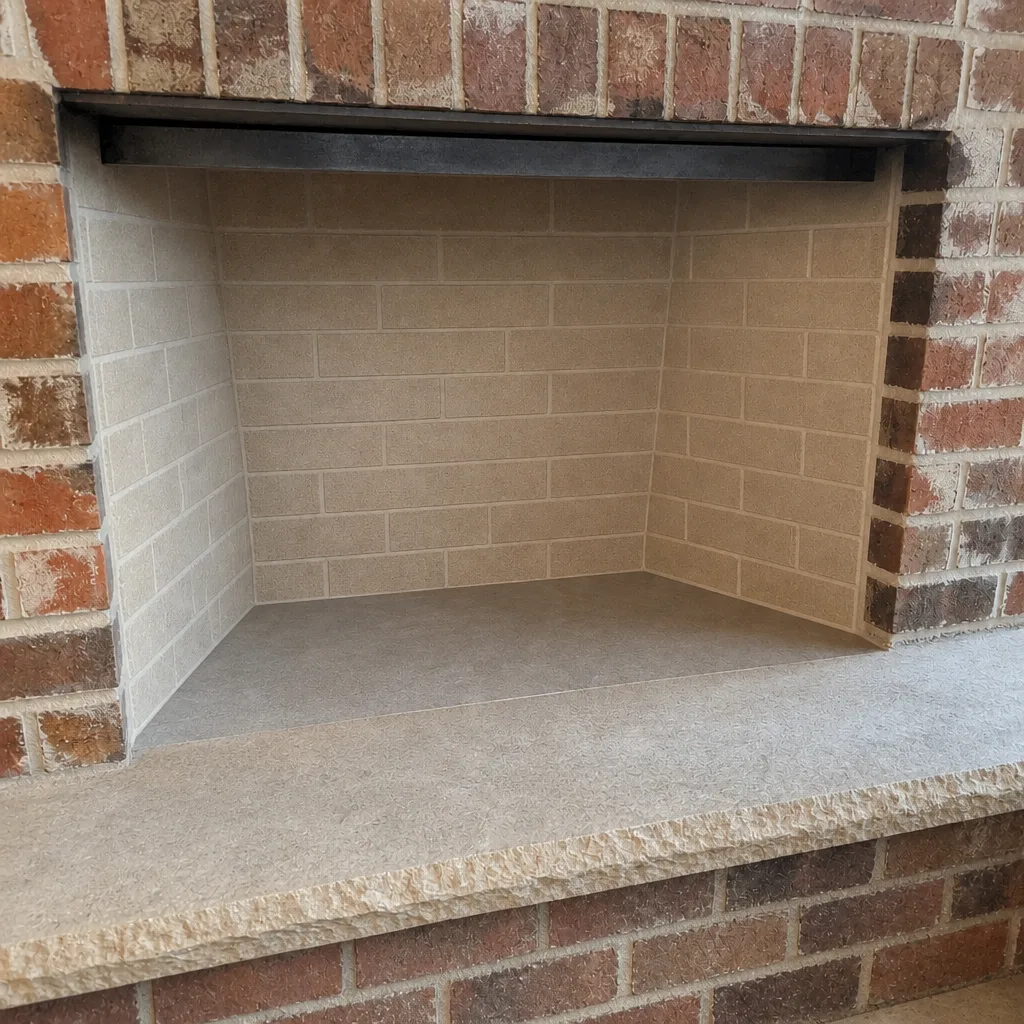
See the difference
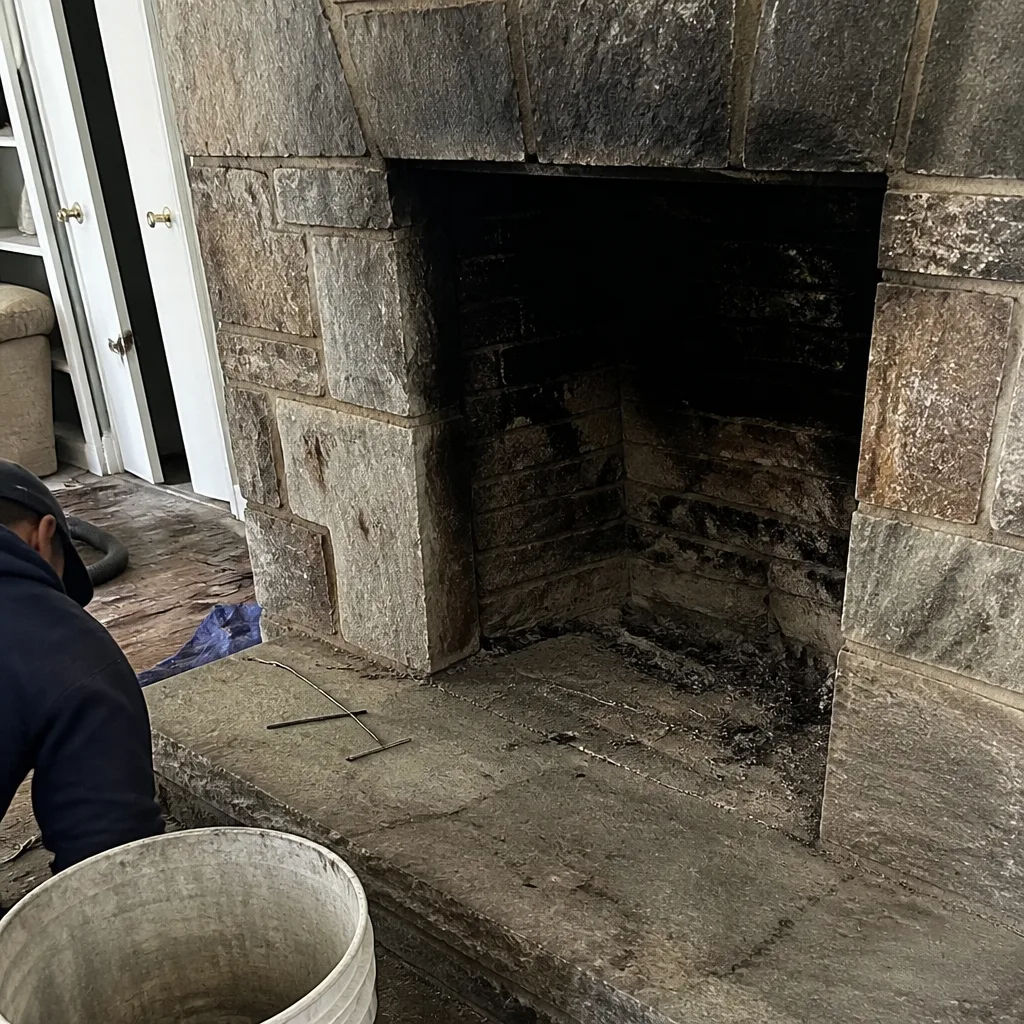 Before
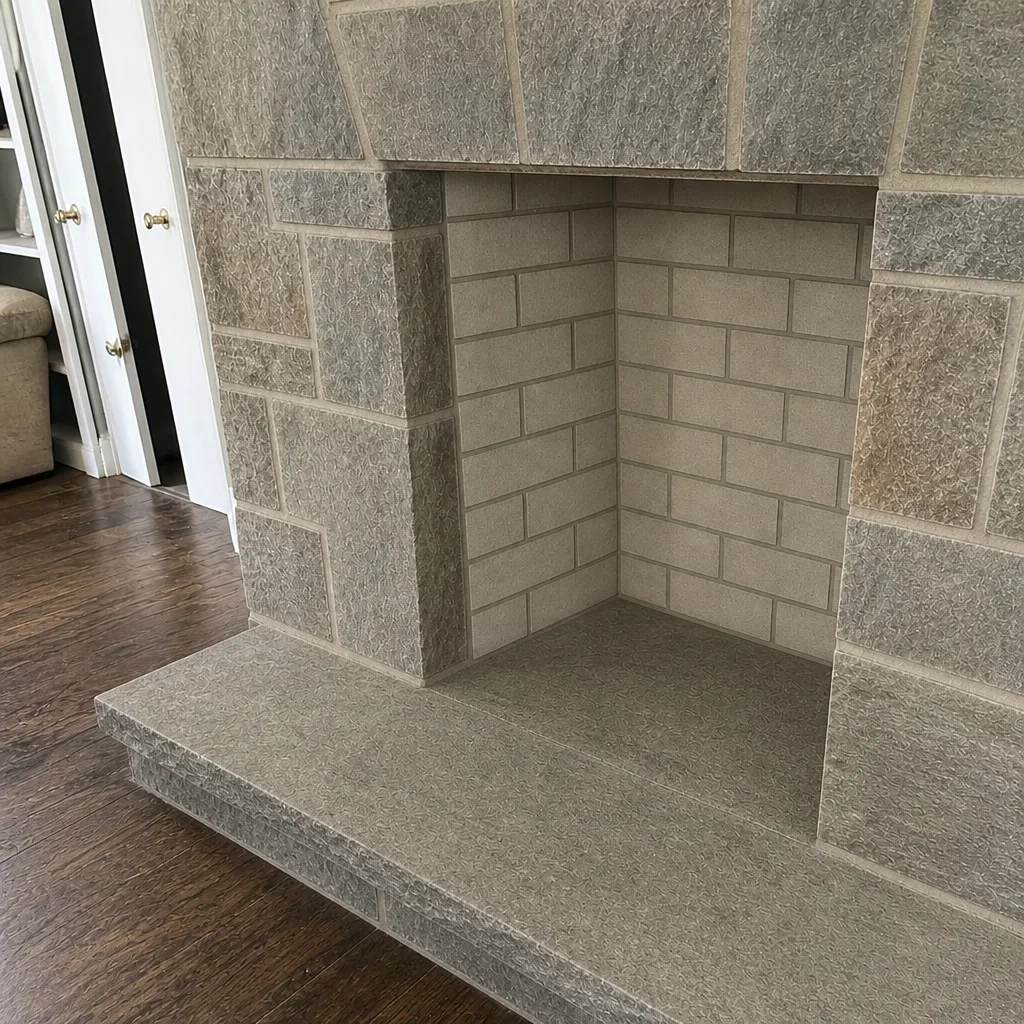 After
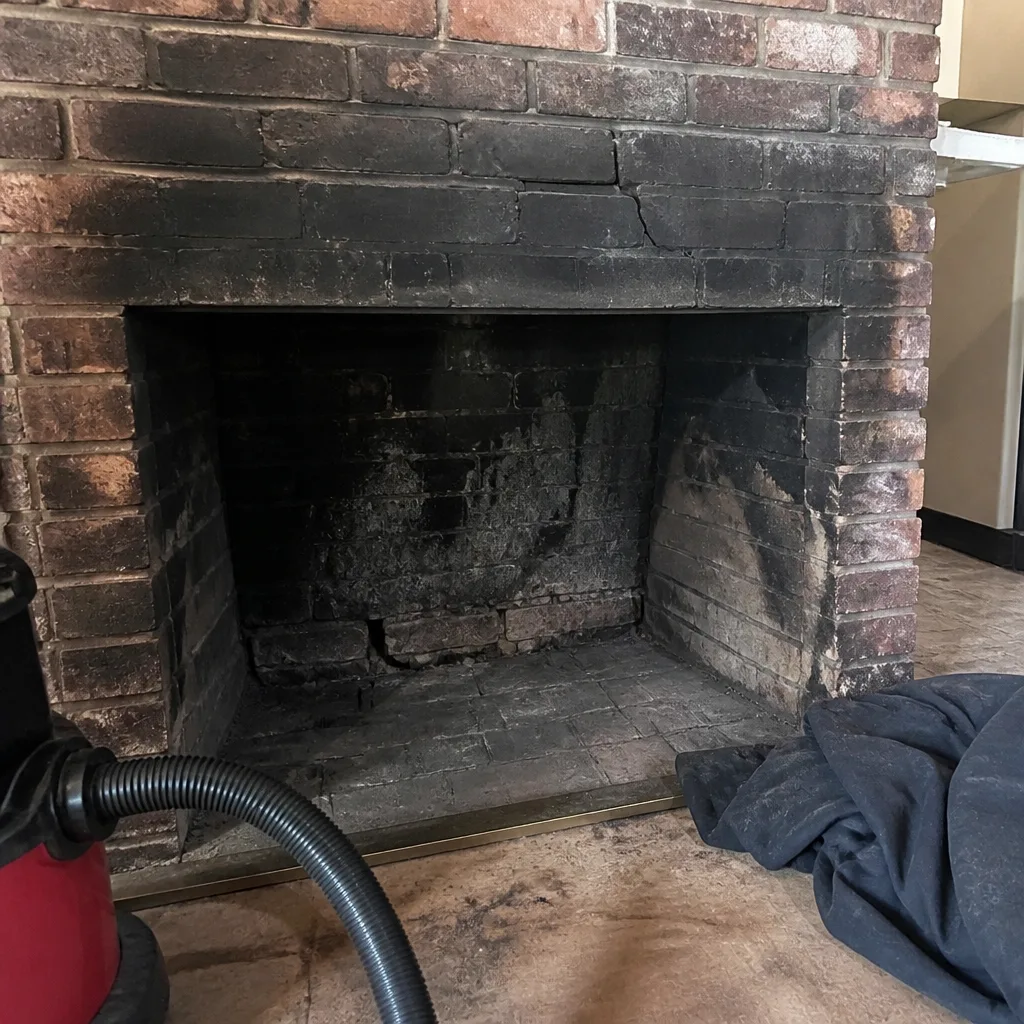 Before
 After
 Before
 After
When to Call a Professional
Some chimney problems are visible from the ground, and some aren’t. The ones worth calling a professional for: a strong, persistent odor from the fireplace when it’s not in use, smoke rolling back into the room instead of going up the flue, a damper that won’t open or close cleanly, visible cracks in the chimney’s exterior masonry or cap, water staining on the ceiling near the chimney, or any sign of a chimney fire – a loud roar, an unusually hot flue, or puffy, honeycombed creosote. On the safety side: creosote buildup and blocked flues are the two conditions that most directly lead to a chimney fire or carbon monoxide problems, and neither is something to inspect by eye from the hearth. A camera inspection and a documented assessment are the responsible way to know. If you haven’t had the flue checked this season, or you can’t remember when it was last cleaned, that’s reason enough to book.
chimney sweep appointments start with a camera inspection and a photo report, so you can see what we see before any repair is discussed. Call (855) 337-0826. We answer 24/7. Fast dispatch from 7am to 7pm, Sunday through Friday.
Frequently Asked Questions
A basic chimney sweep in East New York is quoted per job, based on the flue’s size, its condition, and whether a camera inspection is included – there’s no single price that fits every chimney. The written estimate you receive before the work begins is the number that holds. Call (855) 337-0826 for an exact quote – estimates are free.
The general rule of thumb is once a year for a wood-burning appliance in regular use, and more often if you burn frequently or burn unseasoned wood. An annual sweep is also the natural time to have the flue inspected, since the two are usually done together. If you’ve skipped a season or two, book before the heating season rather than during it.
Creosote accumulates in the flue with every fire, and heavy creosote is the fuel a chimney fire uses. A blocked or narrowed flue can also send combustion gases back into the room instead of up the chimney, which is the carbon monoxide risk. Neither condition announces itself – you won’t smell the creosote layer building up. Call (855) 337-0826 to book a sweep and inspection – estimates are free.
It’s not enough on its own. Licensed and insured covers the contractor’s business standing and liability coverage; CSIA or NFI certification covers the technician’s training in chimney and venting systems. Ask for both, and expect a straightforward answer to both questions.
A Level 2 inspection goes beyond the routine visual check, usually with a video camera run through the flue, and it’s the right call after a chimney fire, an appliance change, a property sale, or a performance problem. If a contractor recommends one, ask what specific condition prompted it and whether you’ll see the footage. Call (855) 337-0826 to book an inspection – estimates are free.
Because a repair quoted as “resurfacing” and a repair quoted as a HeatShield application aren’t the same job, and a generic liner and a DuraFlex system aren’t the same product. Named materials let you verify what you’re paying for and compare two quotes on equal terms. A quote that doesn’t name the materials is a quote you can’t check.
The Bottom Line
Hiring a chimney cleaning contractor in East New York comes down to verification, not price comparison. Ask the five questions, listen for the red flags, and require a written scope before any repair begins. Certification and “licensed and insured” answer different questions – ask for both. If a Level 2 inspection is recommended, ask what prompted it. If a repair is quoted, ask what materials are named. A legitimate contractor answers all of it without flinching, and the answers are the same on every call. When it’s time to book, the sweep and the inspection should come first – and any repair should follow the evidence.
Chimney Sweep East New York offers free estimates for homeowners across the neighborhood. Our technicians have up to 12 years of experience, and we work with the professional-grade materials certified chimney professionals specify – DuraFlex liner systems, HeatShield resurfacing, and Famco and Copperfield components. We inspect before we recommend, nothing gets subcontracted, and every repair is quoted in writing before it starts. Call (855) 337-0826. We answer 24/7. Fast dispatch from 7am to 7pm, Sunday through Friday. Closed Saturday.
Written by the team at Chimney Sweep East New York.