
Last updated November 22, 2026
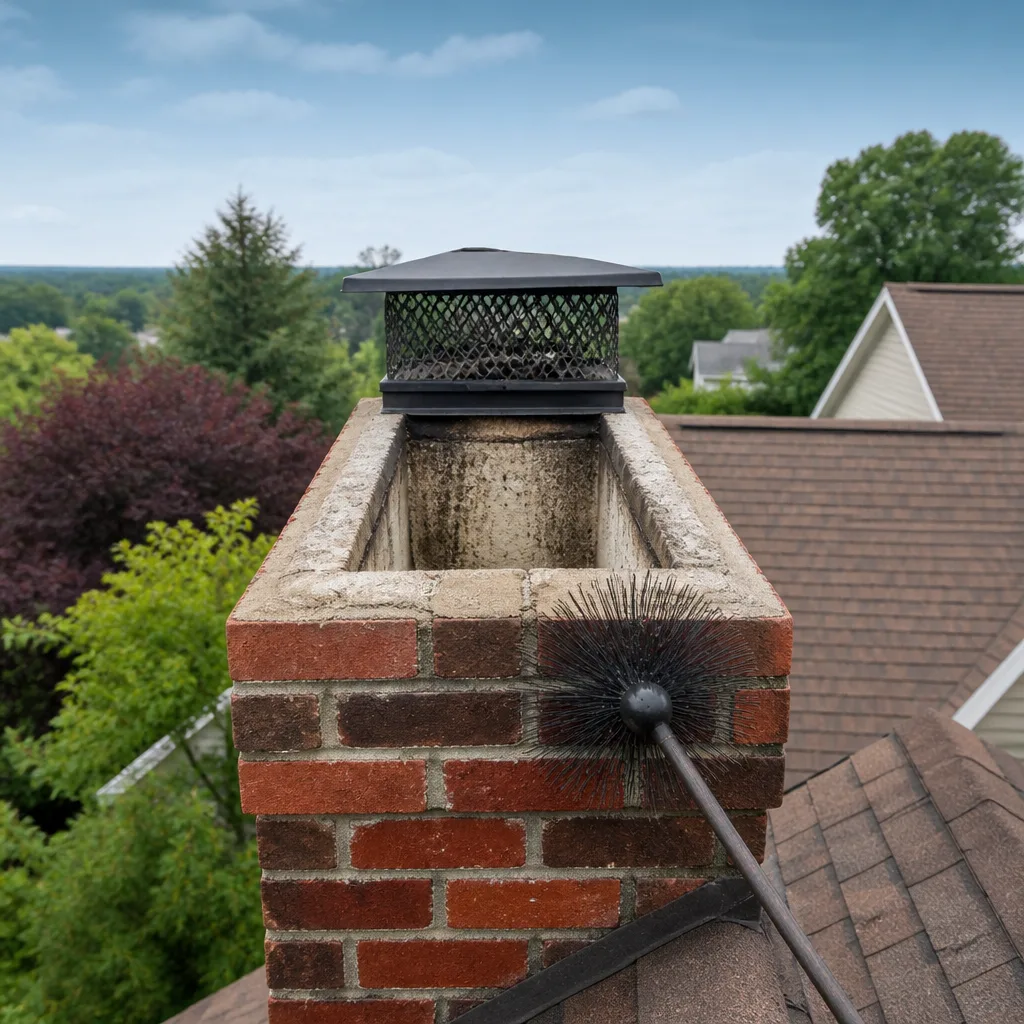 Sweep & inspection
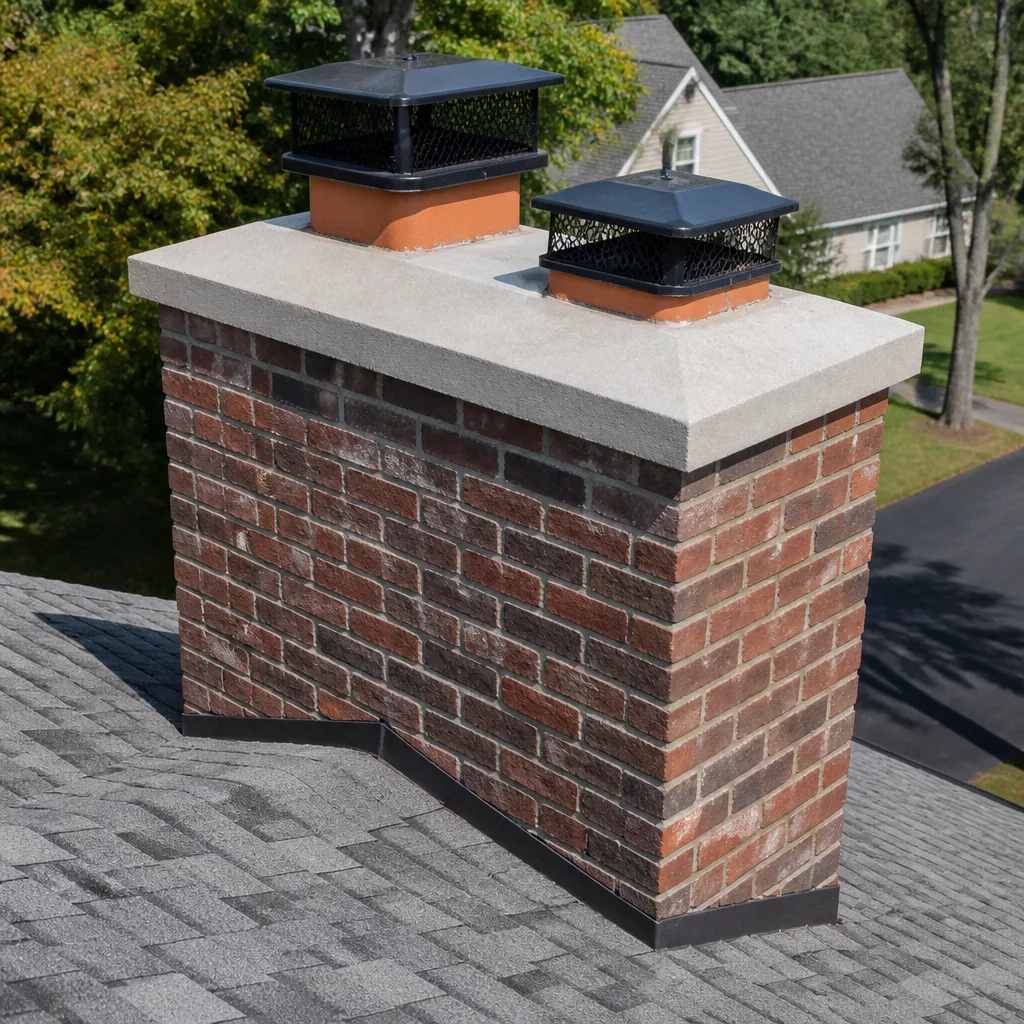 Caps & crowns
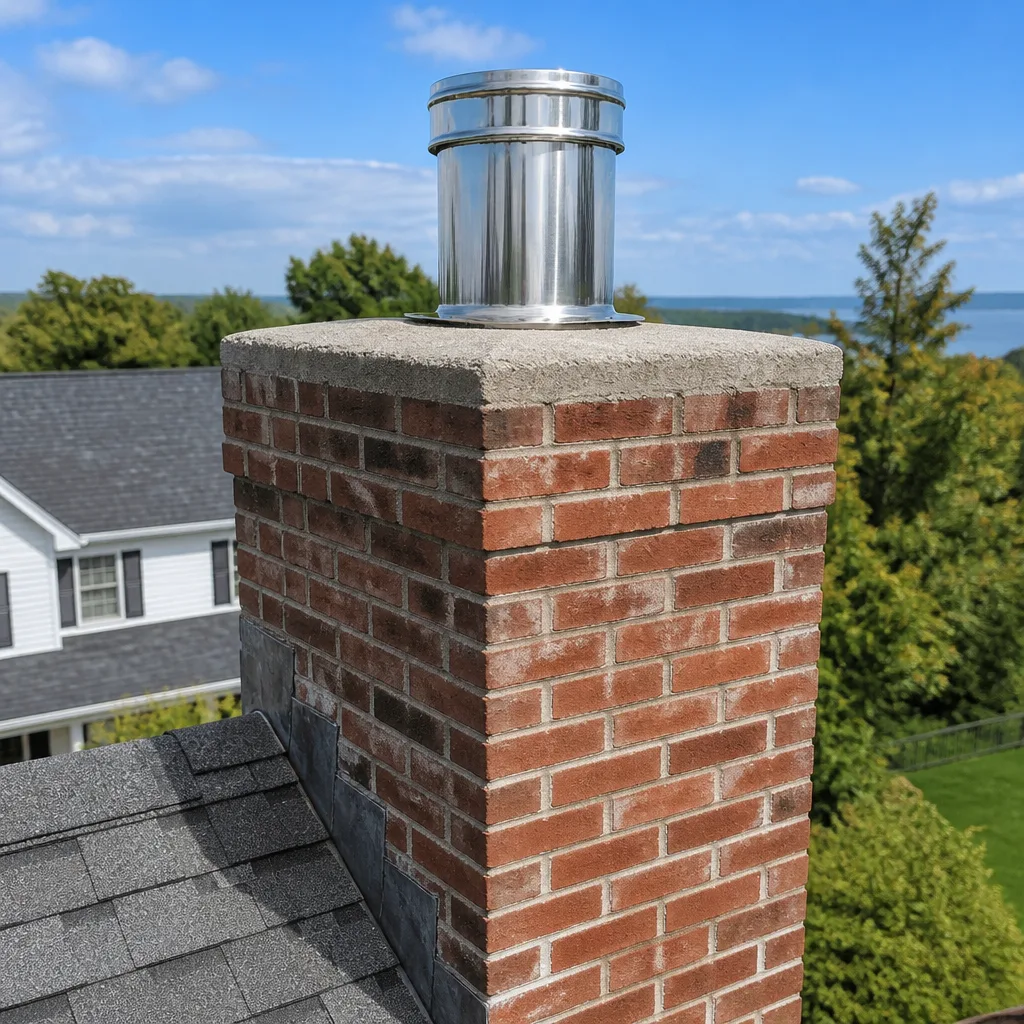 Flue relining
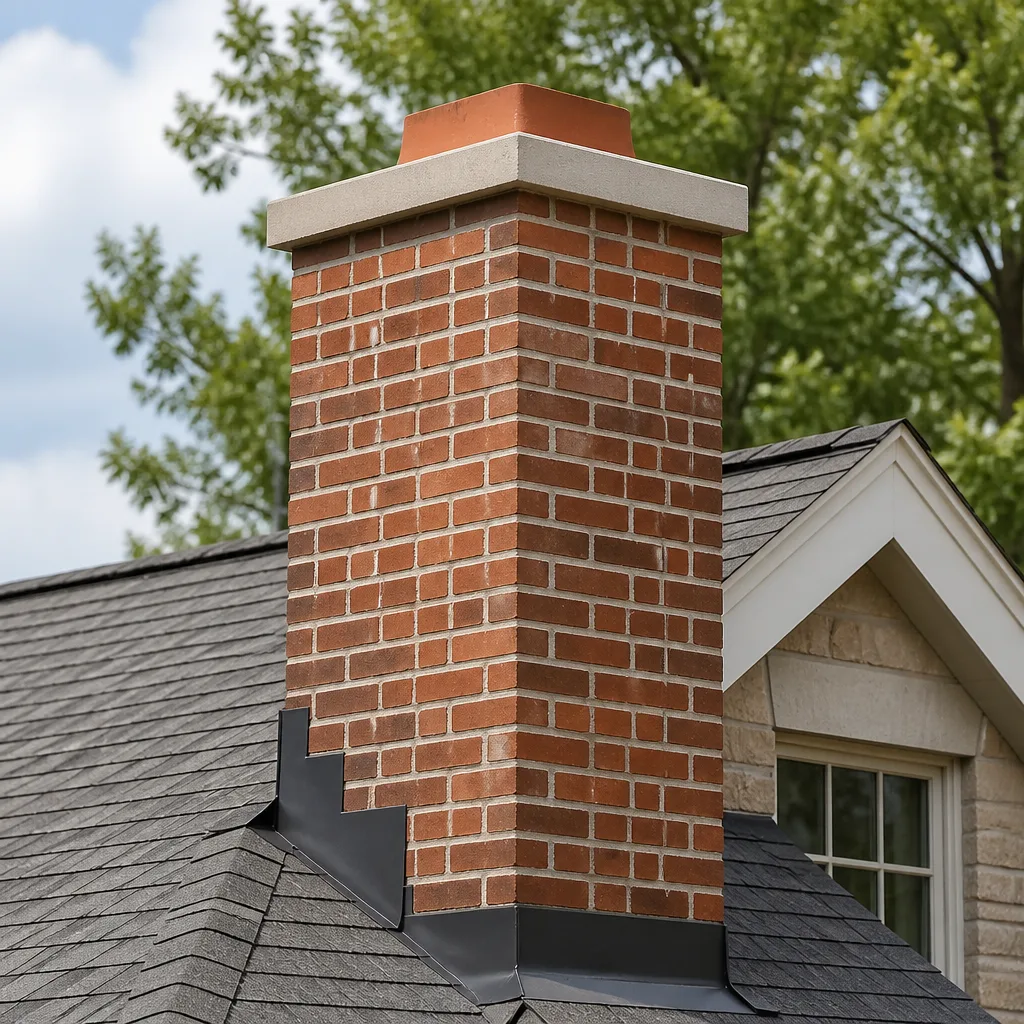 Masonry repair
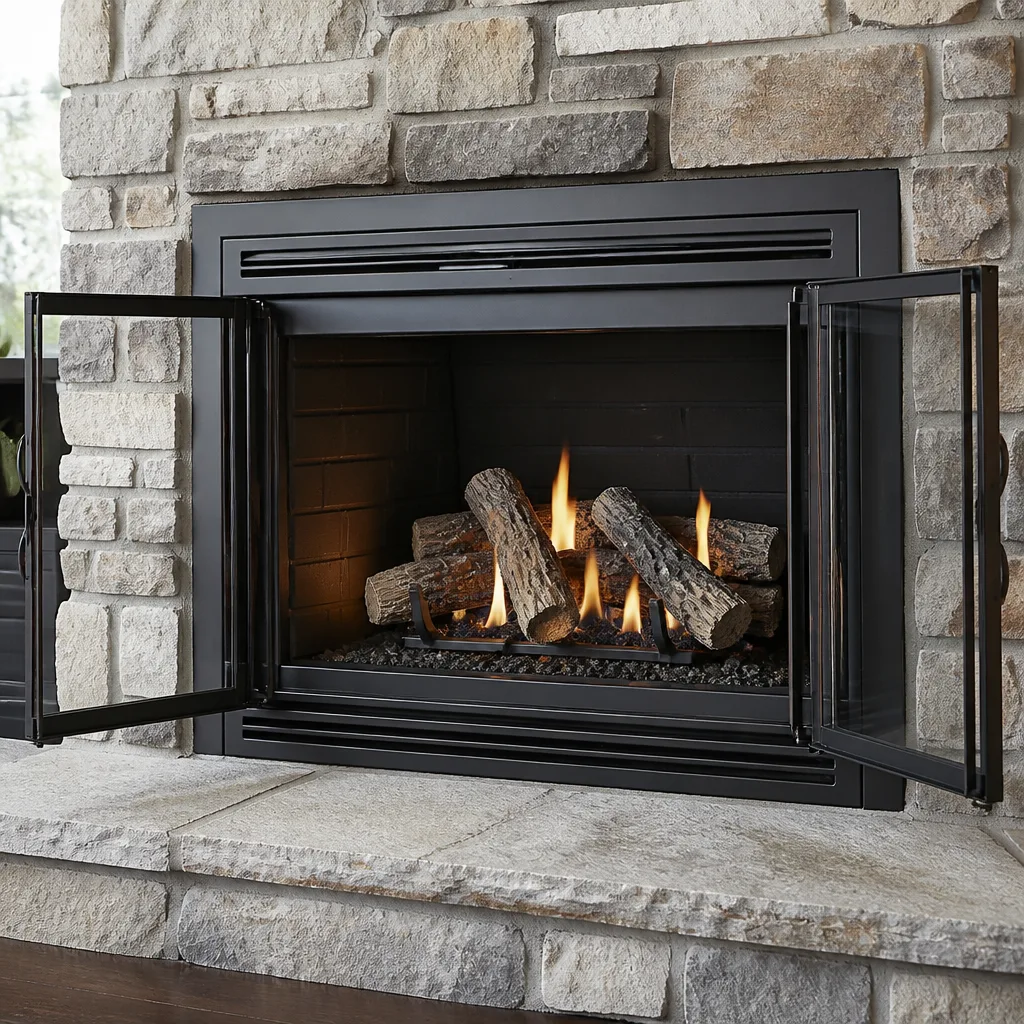 Gas fireplace service
Level 1 sweep and inspection to the NFPA 211 annual standard - flue, crown, cap, and flashing checked and photographed
Chimney sweep logs do not sweep chimneys. They loosen some creosote - which then falls where a brush and vacuum still have to collect it.
Chimney Cleaning Permits, Codes & Inspections in East New York, NY: What You Need to Know
Most chimney work in New York City doesn’t need a permit. Some of it absolutely does, and the line between the two isn’t obvious from the outside. A sweep and a visual inspection fall on the maintenance side. Relining a flue, rebuilding a chimney above the roofline, or connecting a new appliance to an existing flue is an alteration under the NYC Building Code, and alterations require filing. Homeowners who don’t know where that line sits can end up with work that was never filed, and unfiled work can complicate an insurance claim or surface at resale. This guide explains the thresholds, the filing rules, and how to verify a contractor before work starts, with East New York in mind throughout.
Quick Answer
Routine chimney cleaning in East New York, NY does not require a permit. Anything that alters the chimney system, though, including flue relining, a chimney rebuild above the roofline, and new appliance connections in existing flues, generally falls under NYC Building Code and DOB filing requirements. Ask your contractor whether a permit is required for your specific scope, and get the answer before work begins.
Styles & brands we work with
- Sweep & inspection
- Caps & crowns
- Flue relining
- Masonry repair
- Gas fireplace service
Table of Contents
- The language of the code: maintenance, repair, alteration
- What needs a permit in East New York, and what doesn’t
- DOB filing: relining, rebuilds above the roofline, new appliance connections
- FDNY inspections and DOB permits: multi-family versus one- and two-family homes
- The Certificate of Compliance: what it is and when to ask for it
- How to verify a contractor’s DOB registration before work begins
- Inspection levels and what each one is for
- Why unpermitted work hurts at resale and at claim time
The language of the code: maintenance, repair, alteration
The confusion most homeowners run into starts with vocabulary. New York City’s construction rules live in Title 28 of the Administrative Code and Chapter 28 of the Building Code, and those documents draw distinctions between ordinary maintenance, repair, and alteration. Those words aren’t interchangeable, and the permit question follows from which one describes your job.
Ordinary maintenance is the day-to-day work of keeping a system functioning: sweeping creosote out of a flue, cleaning out a firebox, replacing a damaged cap. Repair restores something that has failed but keeps the existing configuration. Alteration changes the system itself, its configuration, its capacity, or the way it connects to an appliance.
Sweeping a flue in a three-family house in Cypress Hills is maintenance. Rebuilding the crown is closer to repair. Cutting the flue open to drop in a new stainless liner is an alteration, because the flue’s construction and its relationship to the appliance both change. That distinction is why a contractor who says “we do this all the time, no permit needed” can be right about the sweep and wrong about the liner.
- Maintenance – sweeping, cleaning, cap replacement, minor firebox cleanup. No permit.
- Repair – crown repair, spot masonry work, damper hardware. Usually no permit, but ask.
- Alteration – relining, chimney rebuild above the roofline, new appliance connections into an existing flue. Generally requires filing.
One practical note: the code sets the floor, not the ceiling. A cooperative building or a property manager may impose additional documentation requirements beyond what the DOB asks for. In East New York and the surrounding blocks, where two- and three-family houses are common and rental income matters, a landlord’s own insurer may want paperwork the city doesn’t require. Ask both questions.
What needs a permit in East New York, and what doesn’t
Here’s the working rule we give homeowners before any job starts: if the work changes the chimney system rather than cleaning or restoring it in place, assume a permit may be required until someone confirms otherwise. That orientation keeps you out of trouble far more reliably than a list of exceptions.
- Sweep and clean. Routine chimney sweep work, including creosote removal and debris clearing, is maintenance. No permit.
- Level 2 inspection with camera. Diagnosis is not construction. No permit, and it’s what should precede any decision about bigger work.
- Cap and crown work. Replacing a rusted cap or repairing a cracked crown is repair. A full crown rebuild may cross into alteration depending on scope. Our chimney cap & crown work is quoted with that distinction in writing.
- Relining an existing flue. Alteration. Ask for the filing number before the liner goes in.
- Rebuilding a chimney above the roofline. Alteration. Structural work at height almost always requires filing.
- Connecting a new appliance to an existing flue. A new insert, a new wood stove, or a heating appliance put into a flue it wasn’t sized for is a change in system configuration. Filing generally applies.
- General masonry repair below the roofline. Depends on scope. A contractor should be able to tell you which bucket it falls into and why.
Notice how many of these end with “ask.” That’s not evasion. The permit answer depends on scope, and scope depends on what’s actually inside the flue. We’ve seen cracked tile liners in East New York houses that the owner believed were sound, and we’ve seen flues that looked rough from the roof but were structurally fine. Camera inspection settles the question of what work is needed. Then the permit conversation has something concrete to be about. You can read more on that in our chimney repair notes, or start with a sweep and inspection and decide afterward.
DOB filing: relining, rebuilds above the roofline, new appliance connections
A Department of Buildings filing is the city’s record that construction work is planned, permitted, and inspected. When a chimney job crosses the alteration threshold, a licensed contractor files the scope, the city reviews it, a permit is issued, and an inspection follows the completed work. The paperwork trail is the point. It’s how you, a future buyer, or an adjuster can confirm what was done and by whom.
Relining is the most common case. Flexible liner systems like DuraFlex are installed into existing flues, and the work involves removing the old liner material, sizing the new liner to the appliance, and changing the flue’s internal configuration. The material is professional-grade and the technique is standard, but the alteration classification still applies. The same goes for HeatShield, the resurfacing system used to restore a damaged liner in place when a full reline isn’t the right answer. Choosing between relining and restoration is a technical decision, and neither one is a maintenance item.
A chimney rebuild above the roofline is another filing case. That’s structural work on a load-bearing element, and the city wants to see it reviewed and inspected.
Appliance connections round out the list. Putting a wood insert or a new heating appliance into a flue that was built for something else is a change in the system, not a swap of a part. The flue has to be evaluated for size, condition, and venting suitability first. If the answer is “the flue works, the appliance just needs a proper connection,” that’s still a change worth documenting.
What we tell every homeowner in East New York before a permit-eligible job: ask specifically, “Is this scope a permit job?” A contractor who answers with a clear yes or no and can explain why is doing the job right. A contractor whose answer is “we don’t bother with that” has just told you something important.
FDNY inspections and DOB permits: multi-family versus one- and two-family homes
New York City runs two separate inspection systems, and this is where a lot of East New York homeowners get confused. The DOB handles construction permits and the inspections that follow construction work. FDNY handles fire safety in buildings the fire code covers, which for most residential properties means multi-family buildings. These are different agencies with different mandates, and your obligations depend heavily on the building type.
In one- and two-family homes, which make up a large share of the housing in East New York, the DOB side is what matters for construction. There’s no multi-family fire-safety filing to coordinate. Routine maintenance and even non-alteration repair generally stays on the maintenance side of the ledger.
In multi-family buildings, the picture widens. A building with three or more dwelling units falls into fire-safe territory, and the owner carries obligations around inspections and recordkeeping that don’t apply to a two-family on the same block. If you own a three-family in East New York and you’re putting in a new appliance connection or relining a flue, you may be coordinating a DOB filing with fire-safety obligations in the same building at the same time. The two don’t replace each other. Getting one doesn’t satisfy the other.
- One- and two-family homes: DOB permit and inspection rules apply to alterations. No multi-family FDNY inspection regime to coordinate.
- Three-or-more-unit buildings: alterations still need DOB filing, and the owner has separate fire-code obligations that apply to the building as a whole.
- Mixed-use buildings: confirm how the building is classified before you plan the work. The classification drives which rules apply.
If you’re not sure which category your building is in, that’s a question for the property’s records, not a guess from the sidewalk. The answer changes your filing obligations, so it’s worth getting in writing.
The Certificate of Compliance: what it is and when to ask for it
A Certificate of Compliance is a document that confirms completed work meets the requirements it was approved against. For alteration work that went through a permit process, the certificate is the paper trail that proves the work was reviewed and inspected rather than simply performed. It’s the difference between “the liner was installed” and “the liner installation was permitted and passed inspection.”
Ask your contractor about a Certificate of Compliance at the time you accept the quote, not after the work is finished. The request is simple: “If this is a permit job, will I receive a certificate when it’s done?” A contractor who understands the process answers without hesitation. A contractor who has never produced one for the type of work being quoted has told you what you needed to know.
Keep the certificate with the paperwork for the house. When you sell, when you refinance, or when an insurer asks how the chimney system was last worked on, that document answers the question cleanly. In East New York, where a lot of housing changes hands between owners who don’t necessarily exchange detailed records, a certificate is worth more than a verbal assurance. It’s the one piece of paperwork that follows the house instead of the person.
How to verify a contractor’s DOB registration before work begins
New York City requires contractors who perform construction work to be registered with the Department of Buildings. The registration is public. Verifying it takes a few minutes and protects you from the most expensive mistake in chimney work: hiring someone who can’t legally file or pull a permit for the scope they’ve quoted.
- Ask for the business name and registration details. Any licensed contractor can provide these without awkwardness. If there’s hesitation, that’s your answer.
- Look up the contractor in the city’s online portal. The DOB maintains a public search for contractors and their registration status. Search the legal business name, not the name on the truck.
- Check whether the registration is current. An expired registration is not a registered contractor.
- Confirm the scope they’re quoting matches the work the registration covers. Relining and structural repair are not handyman work, and the registration needs to match.
- Ask for the permit filing number on any alteration scope. For a permit-eligible job, the filing number exists before work starts, not after.
We’re a chimney specialist, not a generalist, and the distinction shows up here. Our full-system coverage means the same outfit that sweeps the flue also inspects it, diagnoses what’s wrong, and can do the repair or restoration when one is needed. We offer inspection as a standalone service precisely because you should be able to get an honest assessment without committing to a repair. The local pro we connect you with is licensed and insured as the state requires, and the paperwork standard we hold them to is the standard every East New York homeowner deserves.
Inspection levels and what each one is for
Not every inspection is the same. Chimney inspectors work to standard levels, and knowing which one your situation calls for determines how much gets seen and how much it costs.
- Level 1: a visual check of accessible portions of the chimney and firebox. Appropriate for a routine sweep in a system that’s in known working condition and hasn’t changed.
- Level 2: adds a camera inspection of the flue interior, and this is the inspection that matters when you’re buying a house, changing an appliance, or after a chimney fire or a significant event. It’s also what should precede any liner or relining decision.
- Level 3: the most involved, used when specific parts of the chimney are inaccessible and a problem is suspected in those areas.
In East New York, where much of the housing stock is older and the flue interiors have often gone years without a camera, Level 2 is the inspection that earns its keep. Two houses on the same block can have completely different liner conditions, and the only honest way to know is to look with a camera. Every inspection we offer includes the camera and a photo report, so you can see what the inspector sees instead of taking it on faith.
That’s the rule we work by: no recommendation without camera evidence. If the photos show a cracked liner that needs relining, you’ll see the crack. If the flue is sound and the honest answer is “nothing needed this year,” you’ll hear that too. Knowing when work can safely wait is part of a proper inspection, not a failure to sell one.
Why unpermitted work hurts at resale and at claim time
Unpermitted alteration work doesn’t usually fail loudly. It sits there, working fine, until something else brings it into the light. Then it causes problems in exactly the situations where you can least afford them.
At claim time, an insurer reviewing a fire claim looks at what the chimney system was and how it was changed. If a flue was relined and the paperwork shows no permit, the insurer may question whether the policy’s terms were satisfied. We’re not telling you the claim will be denied. We’re telling you the alteration without a filing gives the adjuster a question to ask, and the homeowner is the one who has to answer it.
At resale, the same paperwork problem shows up in a different shape. A buyer’s inspector finds a liner installed with no permit history, the buyer’s lawyer asks for the filing, and the answer is “there isn’t one.” That turns into either a price reduction, a delay, or a scramble to produce documentation after the fact. And when work isn’t documented, the honest condition of the flue is unknown. A liner installed without sizing review may be the wrong liner for the appliance. Nobody has proof either way.
If you’re holding a house in East New York with a chimney history you’re not certain about, the fix is a Level 2 inspection with a camera. It establishes the current condition, and a photo report gives you something to hand to a buyer, an insurer, or a future contractor. A sweep is booked, and the urgency here is seasonal: before burning season, not hourly.
For the full picture of how a sweep and inspection fit together, start with Chimney Sweep East New York and work forward from there.
Common Mistakes to Avoid
- Assuming “we do this all the time” replaces a permit. Relining a flue in a two-family house in East New York is a common job, and common work still requires filing when it crosses the alteration line. Frequency is not a permit.
- Accepting a verbal scope with no written estimate. The written estimate is the document that pins down the work, the price, and whether a permit is involved. If it isn’t in writing, it wasn’t said.
- Skipping the camera inspection on a house you didn’t build. A flue that looks fine from the roof can have a cracked liner three feet down. East New York has a lot of older housing stock, and visual-only checks miss interior damage.
- Treating FDNY obligations and DOB permits as the same thing. Multi-family buildings carry both fire-code obligations and construction filings. Getting one doesn’t settle the other, and the two agencies don’t share paperwork for you.
- Not asking about a Certificate of Compliance until after the work. If the contractor doesn’t know what it is when you accept the quote, ask again when the work is done and expect a long pause. Better to find out before the liner goes in.
- Verifying the contractor from the truck name. The city’s portal wants the legal business name. Relying on the branding on the vehicle tells you nothing about registration status.
- Assuming the flue you have fits the appliance you’re adding. A new insert into an existing flue changes the system and may change the filing requirement. Have the flue evaluated before the appliance is purchased, not after.
See the difference
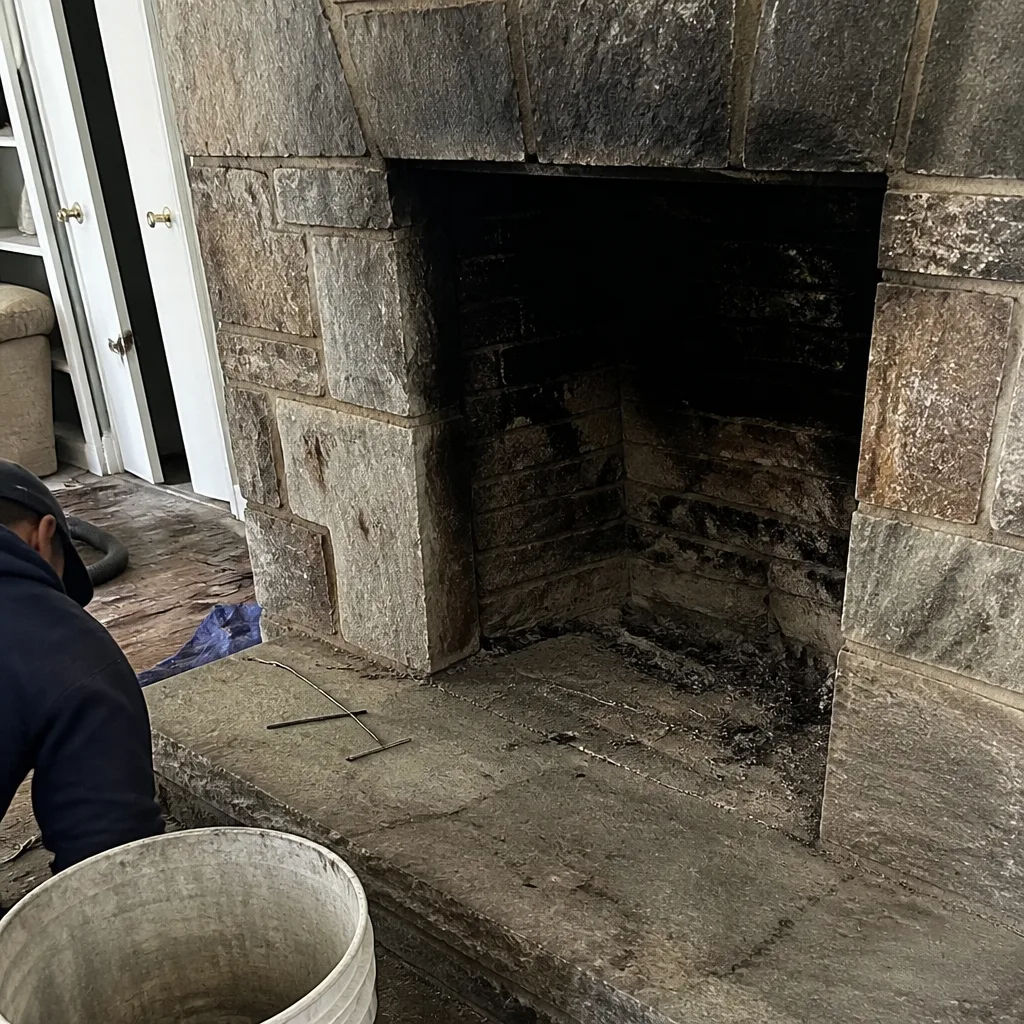 Before
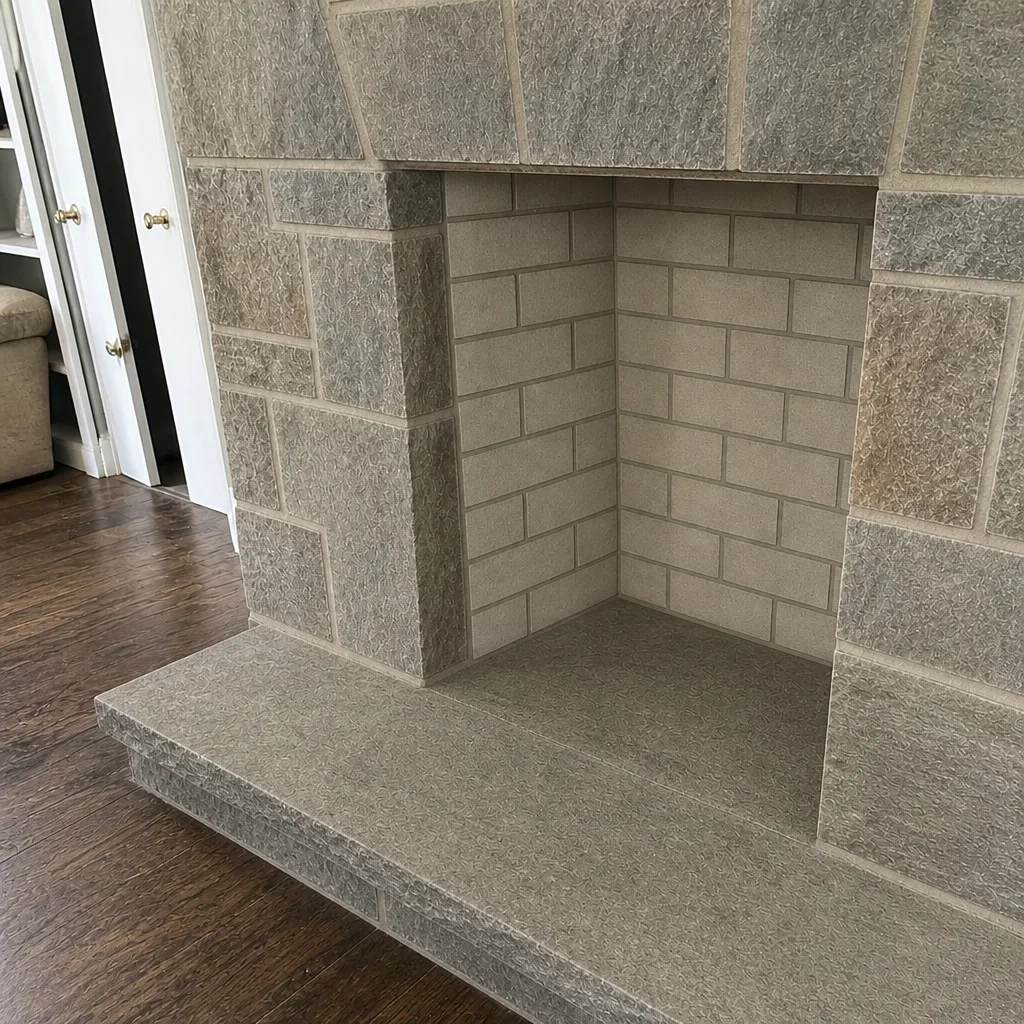 After
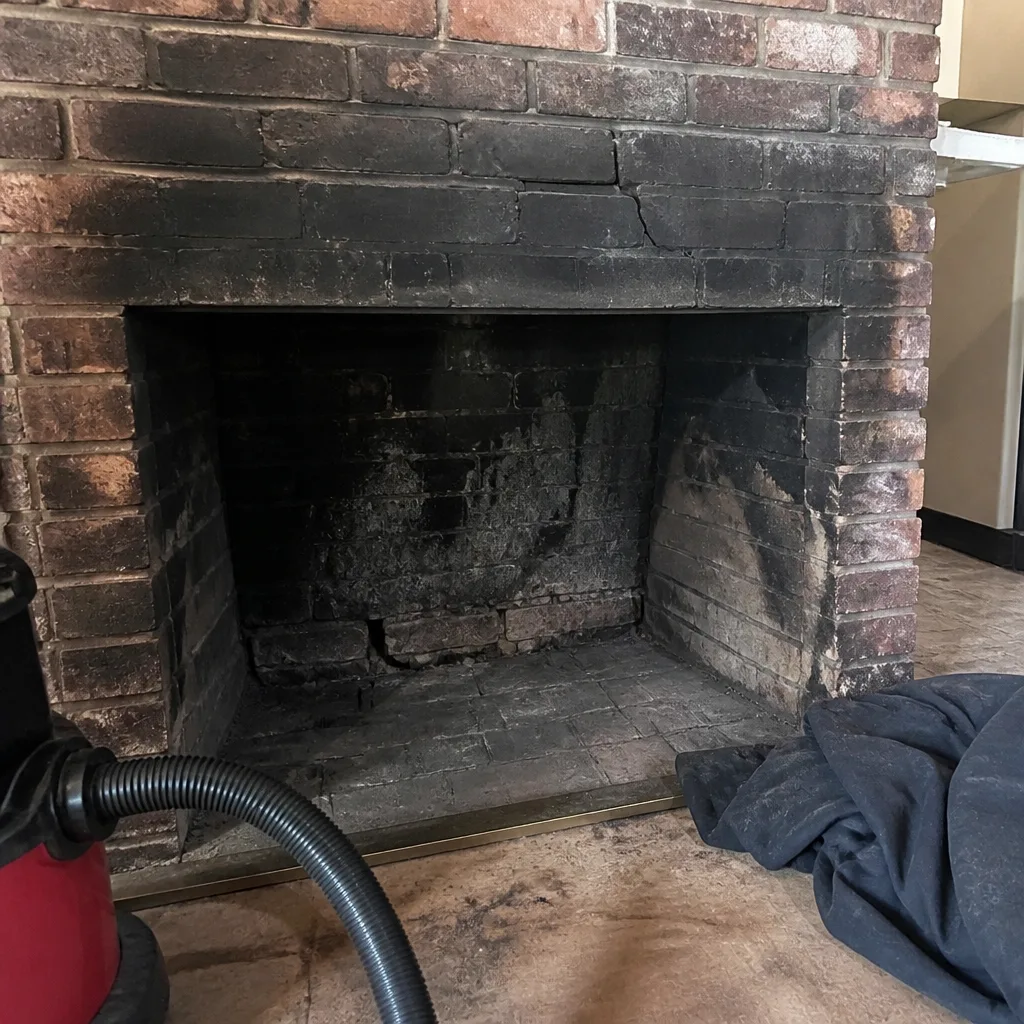 Before
 After
 Before
 After
When to Call a Professional
Call a professional if you’ve never had the flue camera-inspected and you burn wood regularly, if you’re buying or selling a house with a fireplace in East New York, or if you’re planning any relining, rebuild, or new appliance connection. Those are the situations where the permit question and the condition question arrive together, and both need answering before work starts. Also call after a chimney fire, after a significant flue event, or if you see cracking in the firebox or rust on the damper. None of those are things to work through from the ground.
Chimney Sweep East New York offers free estimates in East New York, with a flat-price sweep agreed before booking and a camera inspection and photo report included. Call (855) 337-0826. We answer 24/7. Fast dispatch from 7am to 7pm, Sunday through Friday.
Frequently Asked Questions
No. Routine chimney cleaning is maintenance under the NYC Building Code and does not require a permit. The permit question starts when the work alters the system, such as relining a flue or making a new appliance connection, so the first step is establishing whether the job is maintenance or alteration. Call (855) 337-0826 for an exact quote on the scope you’re considering – estimates are free.
Generally yes. Installing a new liner changes the flue’s configuration and is treated as an alteration under the NYC Building Code, which means DOB filing requirements can apply. Ask your contractor to confirm the filing for your specific scope before the liner goes in. Call (855) 337-0826 for an exact quote – estimates are free.
Look up the contractor’s legal business name in the city’s online DOB portal and confirm the registration is current and covers the work being quoted. Don’t rely on the name on the truck. Call (855) 337-0826 for an exact quote – estimates are free.
They’re different systems run by different agencies. The DOB issues construction permits and inspects the work; FDNY obligations are fire-code requirements that apply mainly to multi-family buildings. In a one- and two-family home in East New York, the DOB side is usually what matters for chimney construction work. Call (855) 337-0826 for an exact quote – estimates are free.
A contractor working under a permit should. The certificate confirms completed work meets the approved requirements, and it’s the document that proves the work was filed and inspected. Ask for it when you accept the quote, not after the work is finished. Call (855) 337-0826 for an exact quote – estimates are free.
The work may function, but the lack of filing can create problems at insurance claim time and at resale, because the alteration has no verified record. A Level 2 inspection with photos establishes the current condition and gives you documentation going forward. Call (855) 337-0826 for an exact quote – estimates are free.
The Bottom Line
The permit question in East New York comes down to one distinction: maintenance versus alteration. Sweeping, cleaning, and most repair work sit on the maintenance side and don’t require a permit. Relining a flue, rebuilding a chimney above the roofline, and connecting a new appliance into an existing flue are alterations, and those generally involve DOB filing requirements. Ask which category your scope falls into before work starts, verify the contractor’s registration in the city’s portal, and get a Certificate of Compliance when the job is a permit job. Our technicians have up to 12 years of experience reading exactly these situations, and every repair and restoration uses professional-grade materials from DuraFlex, HeatShield, Gelco, Olympia Chimney, Famco, and Copperfield. Our technicians have up to 12 years of experience reading exactly these situations, and every repair and restoration uses professional-grade materials from DuraFlex, HeatShield, Gelco, Olympia Chimney, Famco, and Copperfield. We answer 24/7. Fast dispatch from 7am to 7pm, Sunday through Friday.
Written by the team at Chimney Sweep East New York.