
Last updated November 22, 2026
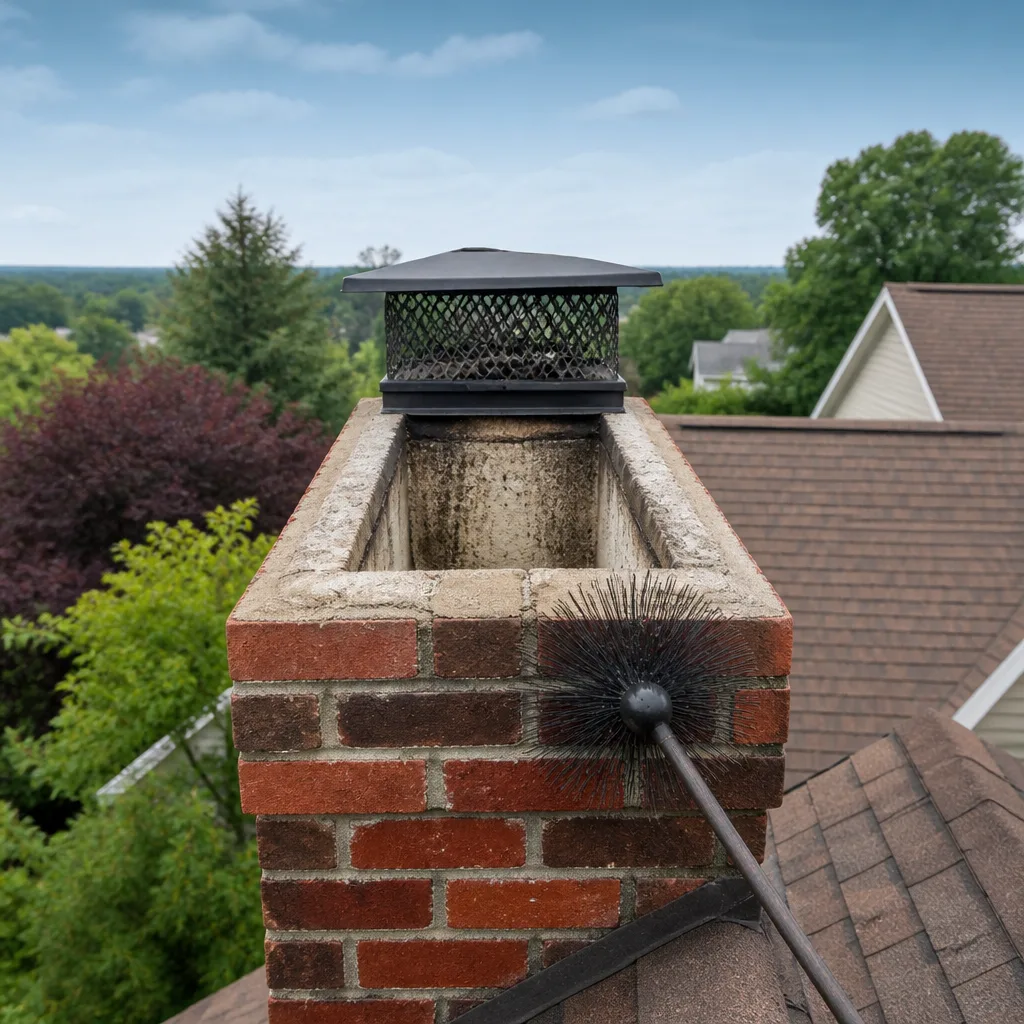 Sweep & inspection
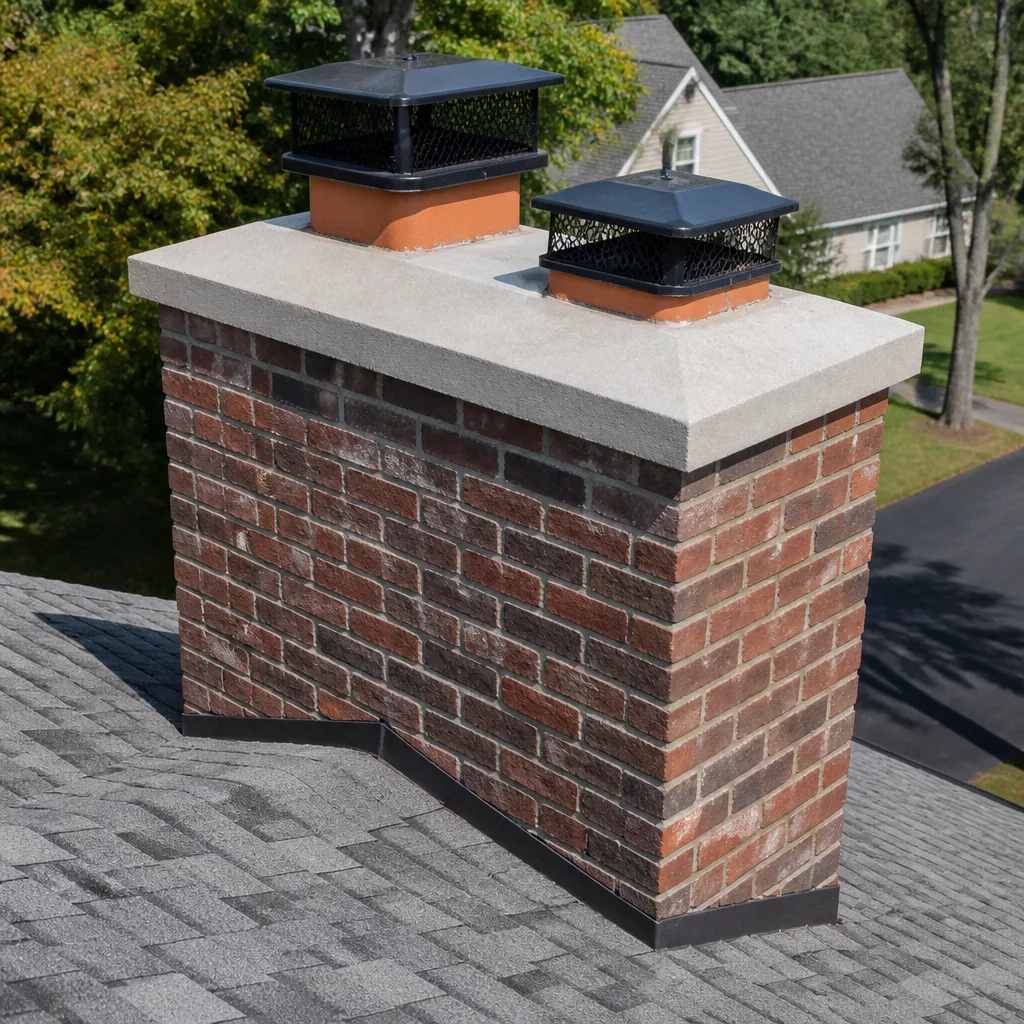 Caps & crowns
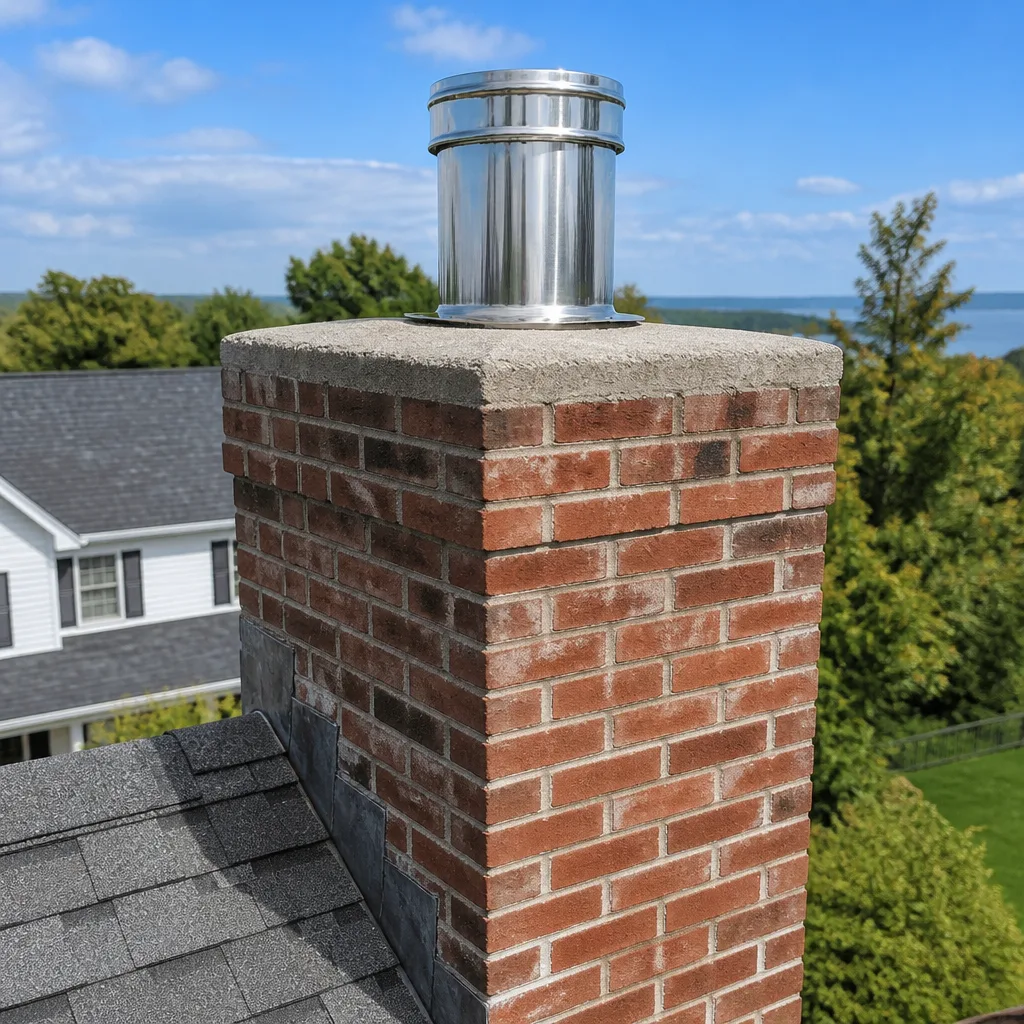 Flue relining
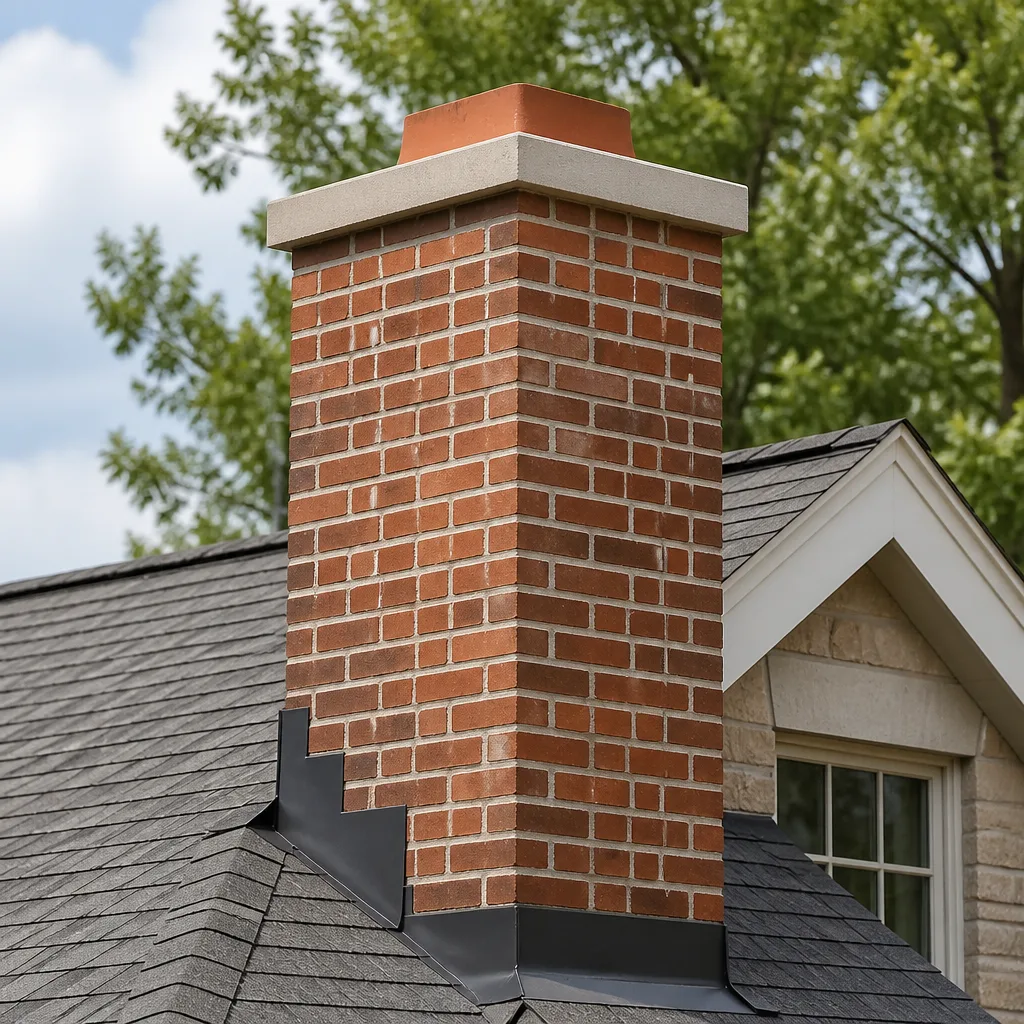 Masonry repair
 Gas fireplace service
Level 1 sweep and inspection to the NFPA 211 annual standard - flue, crown, cap, and flashing checked and photographed
Chimney sweep logs do not sweep chimneys. They loosen some creosote - which then falls where a brush and vacuum still have to collect it.
Chimney Cleaning Warning Signs: An East New York Homeowner’s Reference Guide
A smoky smell in a room on a windy day is a draft problem. A smoky smell on a calm day with no fire burning is a different problem entirely. Treat the first like the second and you’ll spend money on a sweep that doesn’t solve anything. Treat the second like the first and you’ll leave water damage or a blocked flue in place while you chase the wrong fix. This guide maps the warning signs we see most in East New York to the mechanical cause behind each one, so you know whether you’re looking at a cleaning issue, a repair issue, or a reason to stop using the fireplace today.
Quick Answer
The warning signs that call for a chimney cleaning in East New York are: dark streaking or soot staining above the firebox, a strong creosote smell on warm days, popping or crackling sounds during a fire, visible soot or glaze inside the flue, and a draft that has gotten noticeably weaker over a season. White staining on exterior brick, rust on the damper or firebox, and smoky smells on calm days point to water or liner problems that a sweep alone won’t fix. Any sign of a blocked flue, a cracked liner, or carbon monoxide detected in the living space means stop using the appliance until it’s inspected.
Styles & brands we work with
- Sweep & inspection
- Caps & crowns
- Flue relining
- Masonry repair
- Gas fireplace service
Table of Contents
- Matching the Sign to the Cause
- What Different Smells Are Telling You
- Sounds Most Homeowners Dismiss
- Exterior Warning Signs: Efflorescence, Streaking and Rust
- Why “The Chimney Smells Fine” Means Nothing
- Shared Flue Walls in East New York Rowhouses
- Stop Using the Fireplace vs. Schedule an Appointment
- How Often a Chimney Actually Needs Cleaning
Matching the Sign to the Cause
Most chimney advice on the internet tells you what to look for. Very little of it tells you what each thing means. That distinction matters in East New York, where the housing stock is old, the winters are cold enough to run a fire hard for months, and a lot of the chimneys are shared between adjoining units. The sign you notice and the cause behind it are often in different parts of the system.
Here’s how the mapping works in practice. A sign is a symptom. The cause is a mechanical condition. A sweep, a repair, or a shutdown is the response. Getting the mapping right is the difference between a proper fix and a seasonal patch.
- Dark streaking or soot staining above the firebox opening – incomplete combustion. The fire isn’t getting enough air, or the wood is too wet, or the flue is partially blocked. Creosote is building up faster than it should.
- White staining on exterior brick (efflorescence) – water infiltration. Moisture is moving through the masonry and depositing salts on the surface as it evaporates. This is a crown, flashing, or cap problem, not a cleaning problem.
- Rust on the damper or firebox – flue condensation. Either the liner is damaged and letting moisture through, or the flue is oversized for the appliance and running cold, which causes acidic moisture to condense on metal surfaces.
- A popping or crackling sound during a fire that isn’t from the wood – Stage 2 creosote. This is the glazed, hardened stage that needs mechanical removal, not a brush pass.
- A smoky smell on a calm day with no fire burning – pressure imbalance or a blocked flue. Air is being pulled down the chimney instead of up it.
- Animal sounds in the flue during spring – a missing or damaged cap. Birds and squirrels nest in open flues. Their nesting material is combustible.
The response to each of these is different. Some of them are a chimney sweep and a look at the firebox. Some of them are chimney repair that a sweep won’t touch. And one of them – a real Stage 2 creosote fire risk – is a stop-using-it-today situation.
What Different Smells Are Telling You
Smell is the sign East New York homeowners call us about most often, and it’s also the one most often misread. The reason is simple. Two completely different problems produce a smell most people describe the same way: “it smells like smoke in here even though there’s no fire.” The time and the weather tell you which problem you have.
Smoky smell on a windy day
This is a draft problem. Wind is hitting the top of the chimney and pushing air down the flue faster than the fire can push it up. Common causes in East New York rowhouses are a chimney that’s too short relative to the roofline next door, a missing cap, or a nearby taller structure creating a downdraft. It’s annoying but usually not urgent. A cap with the right design and height often solves it. If the chimney is undersized for the building, that’s a conversation about a proper chimney cap & crown or an extension.
Smoky smell on a calm day, no fire burning
This is a different problem. On a calm day, nothing is pushing air down the flue except a pressure imbalance inside the house. A bathroom fan, a kitchen exhaust, or a dryer running can pull the house into negative pressure and draw chimney air back into the living space. In a rowhouse, the same thing can happen when the unit next door runs its exhaust. If there’s no obvious appliance running, the flue may be blocked – by a nest, a collapsed liner, or pieces of masonry. This one is worth a call.
The smell test isn’t reliable for the most important problem
There is one combustion problem you cannot smell, and it’s carbon monoxide. We cover that in its own section below, because it deserves its own answer.
Sounds Most Homeowners Dismiss
A chimney is mostly quiet. When it starts making noise, it’s telling you something specific. Here are the three sounds we hear the most about, and what each one usually means.
Popping or crackling during a fire
Some crackle is normal – wood does that. What you listen for is a metallic pop or a sharper crackle that comes from the flue above the firebox rather than from the wood itself. That sound is Stage 2 creosote: hardened, glazed fuel that has built up on the flue walls and can ignite. Stage 2 creosote can’t be brushed out. It takes mechanical removal, sometimes chemical treatment, and occasionally a full relining if the flue has been damaged by a previous small fire. Stop using the fireplace if you’re hearing this on every burn.
Animal sounds in the flue, especially in spring
Squirrels, birds, and raccoons love an open flue. In East New York, a lot of the older rowhouse chimneys around Cypress Hills and Highland Park don’t have proper caps – just a clay tile or an open crown. In spring, a nest starts to smell. In summer, the nesting material dries out. In fall, it’s combustible. A cap stops the animal from getting in at all, and that’s the fix, not just clearing the nest.
A rumbling draft when the fireplace isn’t in use
If you can hear air moving in the flue when there’s no fire, that’s the chimney pulling air up continuously. Sometimes it’s benign. Sometimes it means the flue is connected to something else – a furnace, a boiler, or a water heater vented into the same chimney. In a rowhouse where flues have been connected across party walls, this happens more than you’d expect. It’s worth a look.
Exterior Warning Signs: Efflorescence, Streaking and Rust
The easiest way to inspect a chimney is from the street. You don’t need to get on the roof. You just need to know what you’re looking at. In East New York, we tell homeowners to look at four things every fall, before burning season starts.
- White staining on exterior brick. That’s efflorescence – salts pushed to the surface by water moving through the masonry. It almost always means water is getting in somewhere: a cracked crown, failed flashing, or a missing cap. Ignoring it lets the freeze-thaw cycle in an East New York winter widen the cracks and separate the brick from the mortar.
- Dark streaking or soot staining above the firebox opening, inside or out. Smoke is escaping where it shouldn’t. Either the fire isn’t drafting properly or the flue is partially blocked. That’s a cleaning or inspection issue, not a masonry issue.
- Rust on the damper or the firebox. This is a moisture sign. On a masonry chimney without a proper liner, flue gas condenses on cold metal and produces an acidic moisture that eats the damper assembly. On a chimney with a metal liner, rust means the liner itself may be compromised.
- Loose or spalling brick at the top of the stack. Frost damage. In East New York, masonry that stays wet through winter will spall in a few seasons. That’s a repair, and the longer it’s left the more expensive it gets.
None of these are fixed by a sweep. They’re fixed by looking at the top of the system – the crown, the cap, the flashing – and at the flue itself. That’s the point of a standalone inspection, which we offer separately because it’s the only honest way to know what you’re dealing with before anyone recommends anything.
Why “The Chimney Smells Fine” Means Nothing
Carbon monoxide has no smell. Not a faint one, not a sweet one, none. A chimney that smells like nothing can be venting carbon monoxide into a living space, and a chimney with a strong creosote smell can be venting perfectly. Smell is not a detection method.
Every combustion appliance in the house produces carbon monoxide – a wood fireplace, a gas boiler, a gas water heater, a gas range, a space heater. In a properly vented chimney, that CO goes up and out. In a chimney that’s blocked, cracked, or running under negative pressure, it comes back into the house.
That’s why a smoke test and a camera inspection are part of the process we run. A smoke test uses a small amount of artificial smoke to see whether the flue is pulling or pushing. A camera inspection looks inside the flue for cracks, gaps, and blockages. Neither of these tells you the chimney “smells fine.” They tell you what the chimney is actually doing.
You should also have working carbon monoxide alarms in the home regardless of the chimney’s age or condition. That’s not a chimney recommendation – it’s a baseline safety item for any home that burns fuel. If you have an alarm that has gone off and you can’t explain why, treat it as a stop-using-the-appliance situation until an inspection clears it.
Shared Flue Walls in East New York Rowhouses
East New York is a rowhouse neighborhood. The housing stock around New Lots, City Line, and Cypress Hills was built tight, with adjoining walls and shared chimney structures. That layout produces a specific kind of warning sign that doesn’t happen in detached homes: your chimney problem can be your neighbor’s problem, and vice versa.
Here’s how it works. In many of these buildings, the chimney mass is a single masonry structure that serves two adjoining units. Each unit has its own flue, but the flues share a common wall, a common crown, and sometimes a common flashing. That means:
- A draft problem next door becomes a draft problem on your side. If your neighbor’s flue is blocked, or if their appliance is pulling hard, the shared structure can affect the pressure in your flue. A draft that appears and disappears with no change on your side is often a neighbor-side issue.
- Water damage travels. A failed crown on the party-line side lets water into the shared masonry, and the efflorescence shows up on your exterior wall. The fix may require coordination with the adjoining owner.
- Relining one side can affect the other. When you reline a flue, you’re changing the draft characteristics of that side. On a shared structure, the other side should be checked at the same time. In practice, this is often where a project should pause and a full inspection of both sides should happen first.
- An unsealed party wall compromises fire separation. If a flue has lost its seal to the adjoining flue through deterioration, smoke and fire can cross. This is one of the reasons a camera inspection matters more in a rowhouse than a detached home.
We run into this constantly in East New York. If you’re hearing a new draft, seeing new efflorescence, or smelling smoke that seems to come from an adjoining wall, the problem may not be inside your unit. An inspection gives you a documented picture you can show the adjoining owner and the contractor who handles their side.
Stop Using the Fireplace vs. Schedule an Appointment
Not every warning sign is a today problem. Some are a this-week problem, some are a this-season problem, and some are an annual-sweep problem. Getting the urgency right protects your family without making you panic over a soot streak that just means the wood was wet. Here’s the breakdown we give homeowners in East New York.
Stop using the fireplace immediately if:
- A carbon monoxide alarm has gone off and you can’t trace it to something else
- You smell smoke inside the living space while a fire is burning, and it’s not coming from the firebox itself
- You see smoke or heat coming through mortar joints, brick faces, or the wall near the chimney
- You hear a roaring sound inside the flue shortly after lighting a fire (possible creosote ignition)
- You can see visible Stage 2 creosote – a glazed, tar-like coating – on the flue walls
- The damper won’t open, or the firebox is visibly cracked
- You notice soot or black staining coming through the wall of an adjoining room
Schedule an appointment, but don’t panic, if:
- You see dark streaking above the firebox but the fire burns clean and drafts well
- The chimney smells like creosote on warm days but not in the house
- You see efflorescence on the exterior brick and no interior signs
- You hear animal sounds in the flue but no smoke or smell inside the house
- Your draft has gotten a little weaker over the season
- You haven’t had the chimney inspected in the past few years and you burn regularly
The line between the two lists is simple: anything that suggests combustion products are entering the living space, anything that suggests an active flue fire risk, and anything that suggests structural failure. Everything else can be scheduled.
How Often a Chimney Actually Needs Cleaning
“Once a year” is the general rule, but it’s a rough one. The real frequency depends on how much you burn, what you burn, and how the appliance is vented. Here’s how we think about it for East New York homes.
- If you burn wood regularly through the heating season, an annual inspection and sweep before the season starts is the baseline. That means the fall, before the first cold snap, when the schedule is still open.
- If you only burn a few fires a year, an inspection every two years with a sweep as needed is often reasonable. The inspection is what tells you whether the sweep is needed.
- If you burn green or unseasoned wood, plan on a mid-season check. Wet wood produces far more creosote per cord than dry wood. If the wood you bought wasn’t seasoned, the flue knows.
- If the chimney serves a gas appliance, the interval can be longer, but it’s still not zero. Gas appliances produce less creosote but more moisture, and moisture is what drives rust and spalling.
- If a prior owner’s burn history is unknown, sweep and inspect before lighting the first fire. You have no way to know what’s sitting in the flue.
One pattern that matters more than the calendar: what the flue actually looks like. A sweep is worth doing when the creosote layer has built to a point where it’s a fire risk. An inspection tells you whether you’re there yet. That’s why we treat inspection as its own service – so a homeowner can find out the flue is fine without buying a sweep they didn’t need.
The materials we use come from a professional supply channel, not a big-box store: DuraFlex for relining, HeatShield for liner resurfacing where a full reline isn’t required, and Copperfield and Famco for the components that have to fit the specific flue. That matters most in East New York’s older rowhouse stock, where the flue dimensions rarely match a standard off-the-shelf part.
Common Mistakes to Avoid
- Treating every smoky smell as a draft problem. On a windy day, it usually is. On a calm day, it usually isn’t. Running a fan or opening a window may mask the symptom without touching the cause. Get the pressure and the flue checked before you spend money on a draft fix.
- Using a generalist handyman for chimney work. A chimney is a system – flue, liner, crown, cap, flashing, damper, firebox. A generalist can clean a firebox. Very few can diagnose a shared-flue issue on an East New York rowhouse or install a DuraFlex liner to the tolerances the manufacturer specifies. That’s why we work with DuraFlex and HeatShield rather than generic components.
- Ignoring efflorescence because “it’s just cosmetic.” It’s a water sign. Water is what drives freeze-thaw spalling, liner corrosion, and eventually a structural problem in the chimney stack. Fixing the water source is the whole job.
- Assuming the chimney is fine because it smells fine. It might be. But nothing about the smell tells you whether the flue is pulling or pushing, whether the liner has a crack, or whether a flue connected to a boiler is properly sealed from an adjoining flue. Carbon monoxide has no smell at all.
- Treating a Stage 2 creosote pop as firewood noise. Popping sounds from the flue are a fire risk sign. If you’re hearing them on every burn, stop using the fireplace and book an inspection before the next fire.
- Skipping the inspection because a sweep “looked fine.” A sweep cleans what it can reach. An inspection looks at the whole system, including the parts you can’t see from the firebox. That’s why we offer it as its own service.
- Wait-and-see on animal nesting in the flue. If you hear something in the flue in spring, get it out and get a proper cap on. Nesting material is combustible, and it’s the wrong stuff to be sitting in a flue in October.
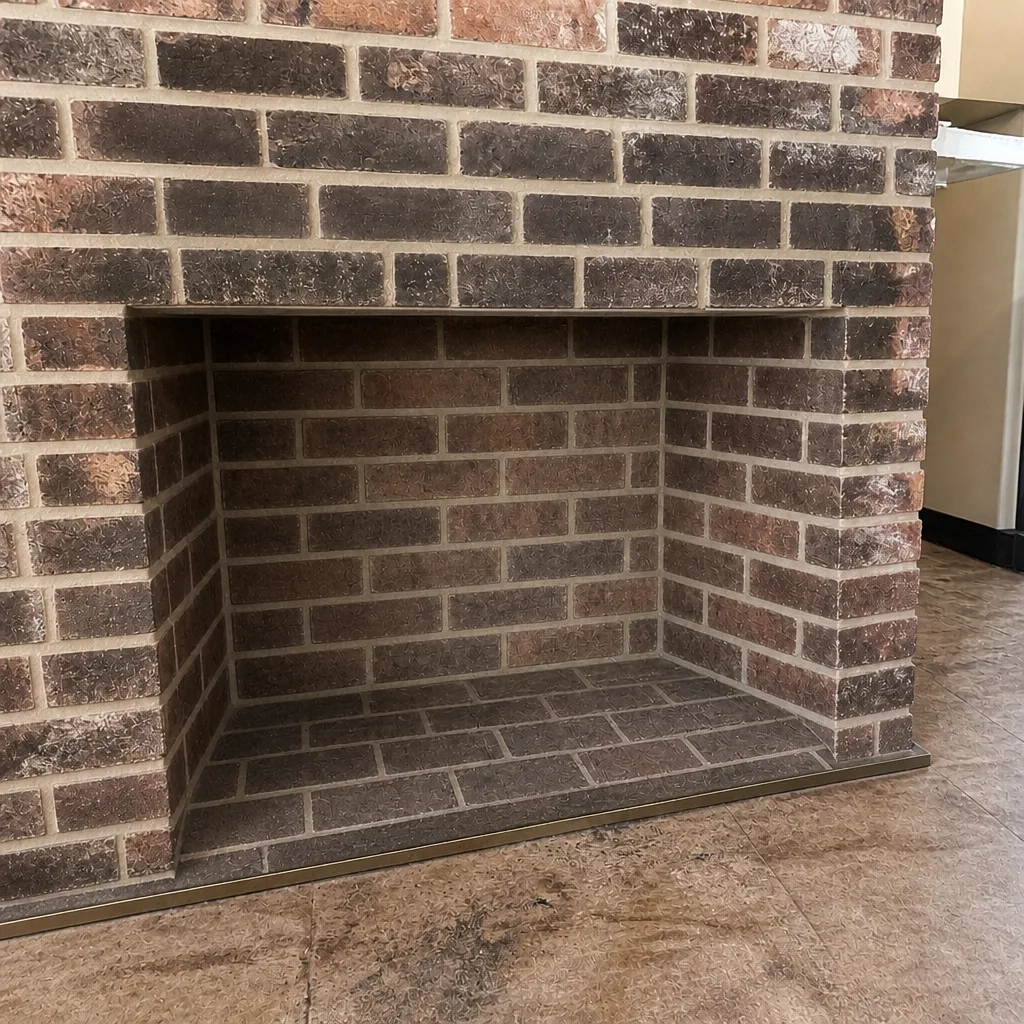
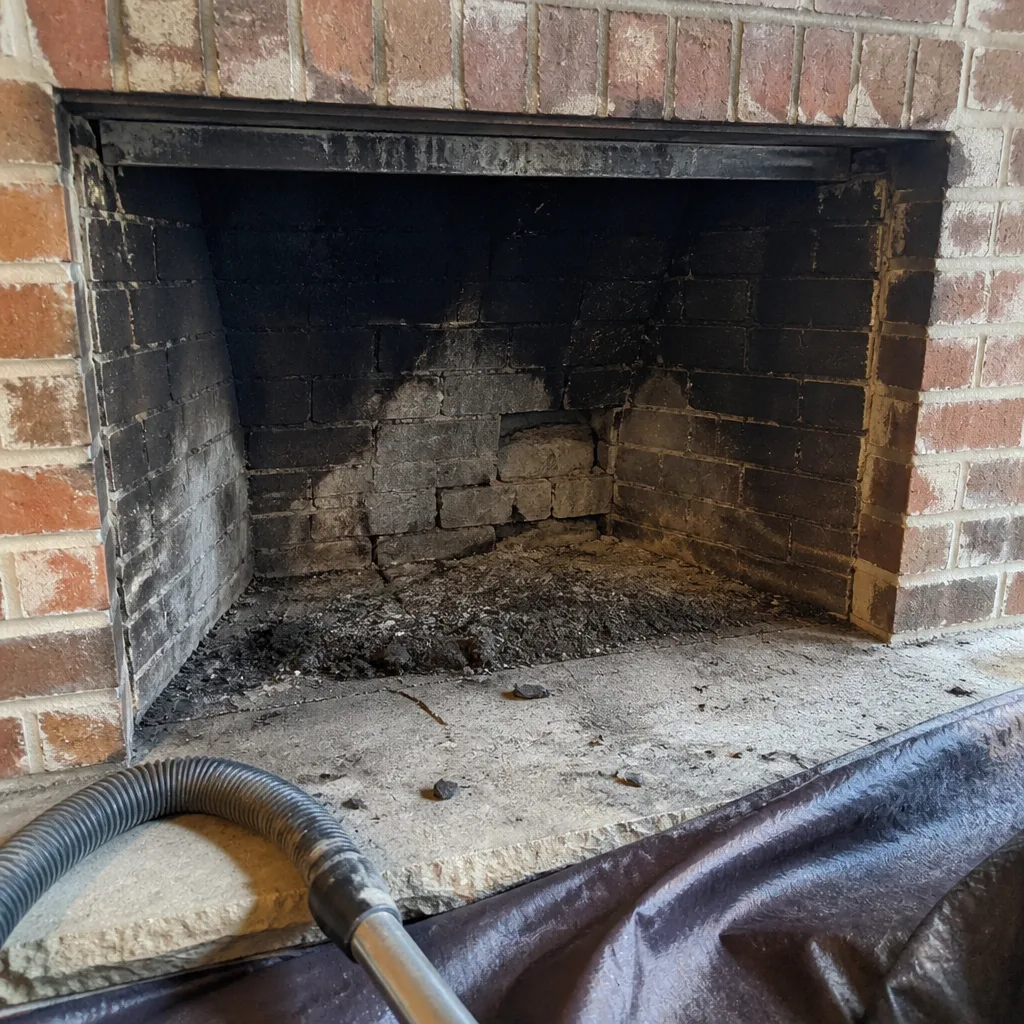
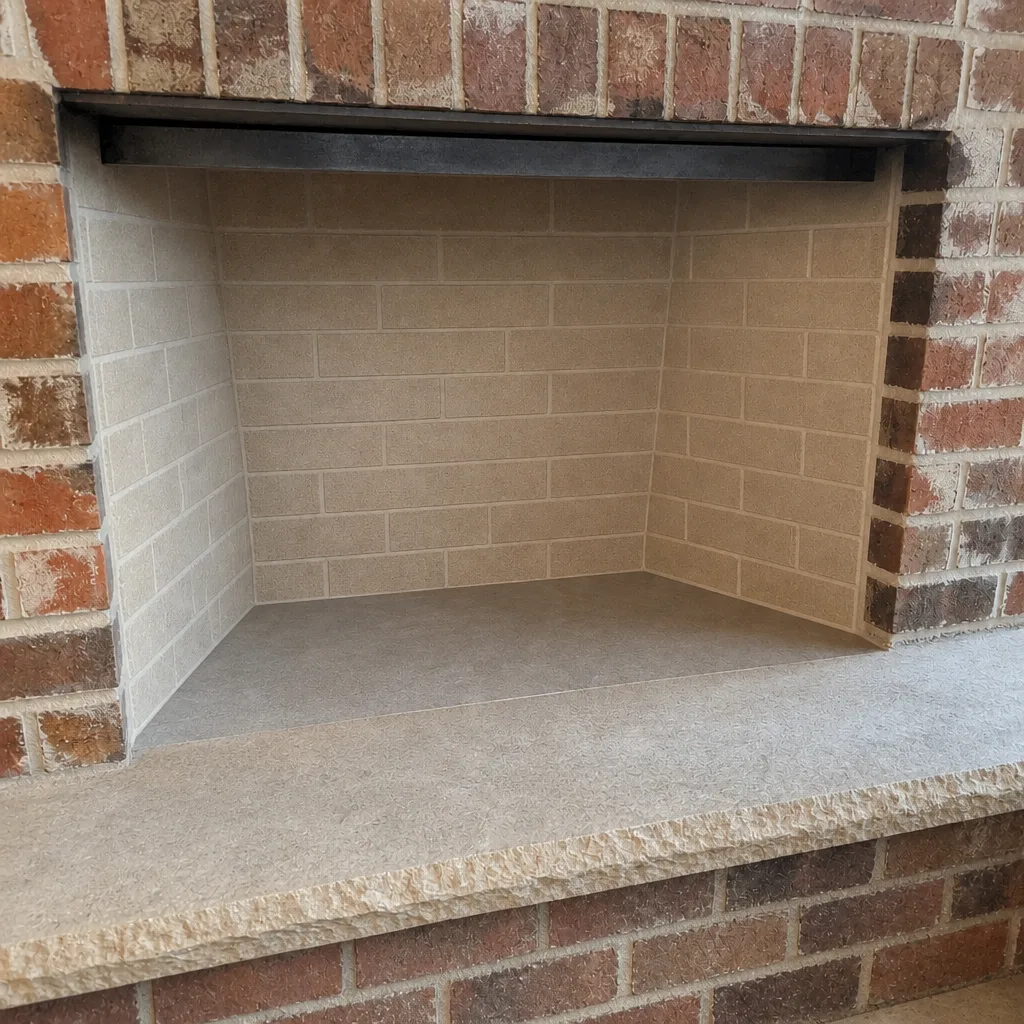
See the difference
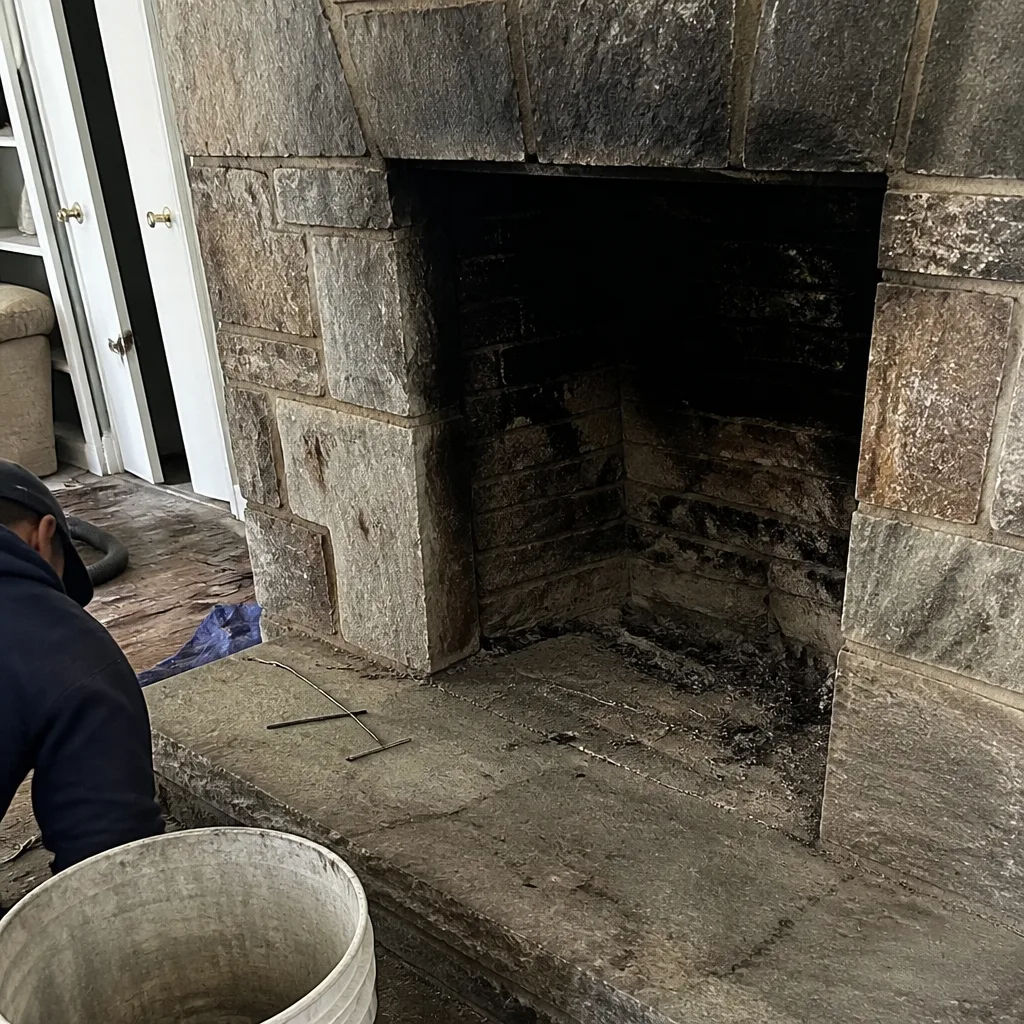 Before
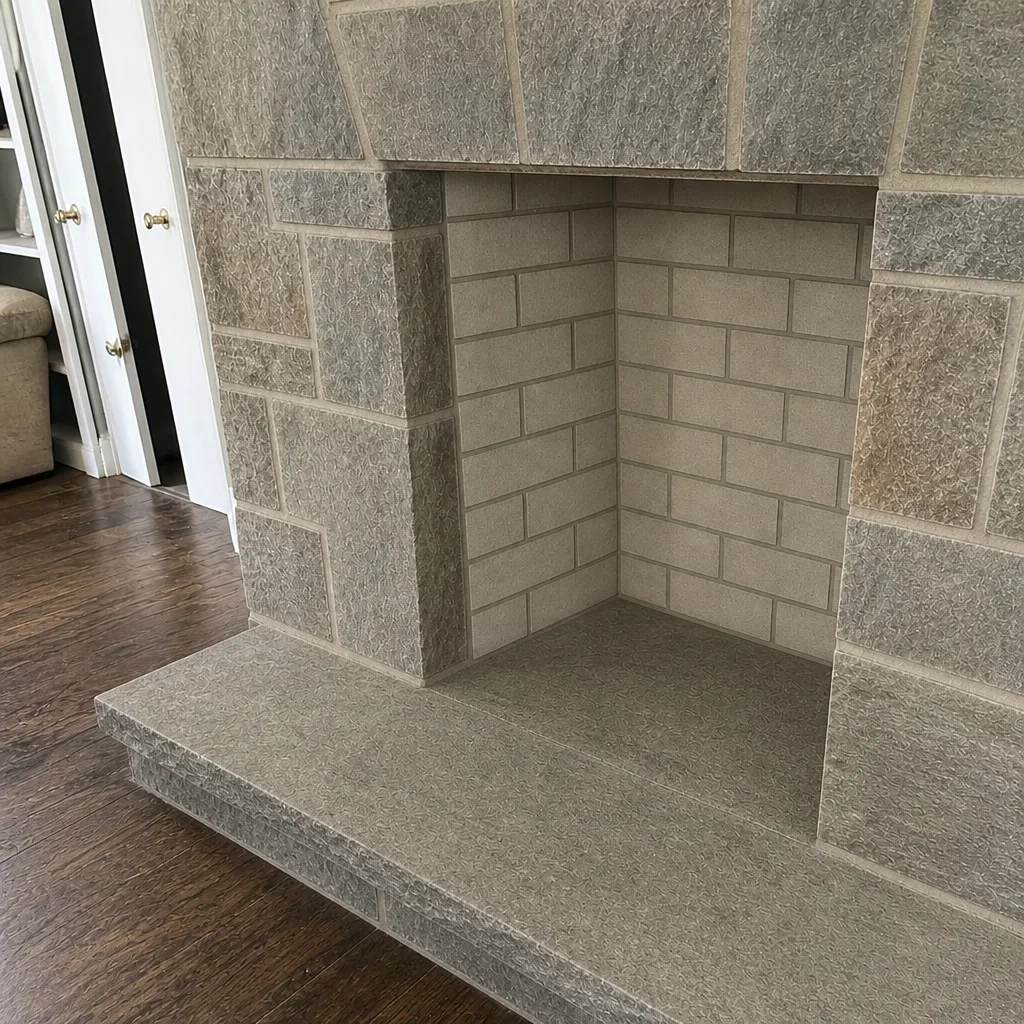 After
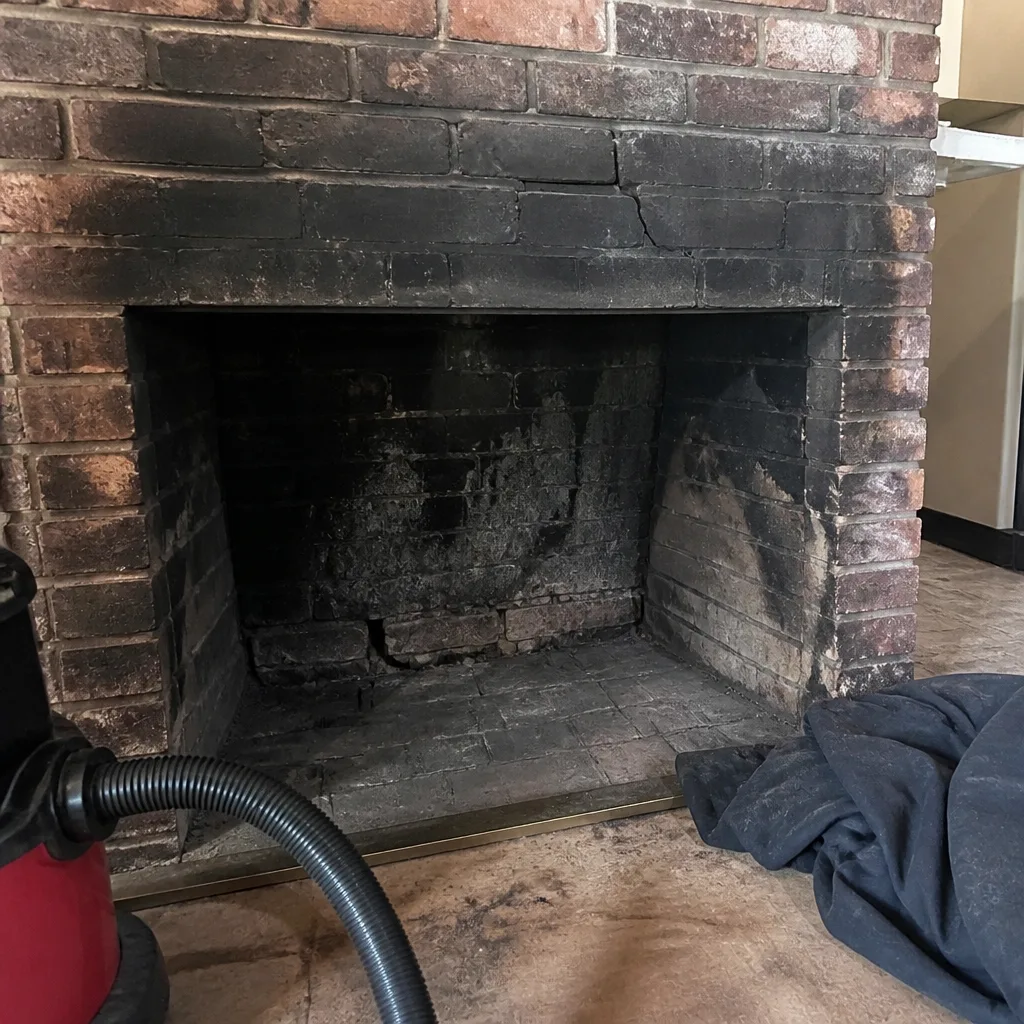 Before
 After
 Before
 After
When to Call a Professional
Call a professional when the sign is one you can’t diagnose from the outside. A soot streak is a sign. A carbon monoxide alarm is a stop. A white stain on the brick might be a crown repair, a flashing repair, or a cap problem. A Stage 2 creosote pop might be a cleaning, a partial reline, or a full reline with a DuraFlex system. A rusted damper might be a damper replacement or a sign the flue has been running cold for years. In each case, the honest answer comes from a camera inspection and a documented photo report, not from a guess over the phone. If you’re in East New York and you’ve noticed something on this list, that’s the point to call. Chimney Sweep East New York offers free estimates in East New York – call (855) 337-0826.
Frequently Asked Questions
The most reliable early signs are dark streaking or soot staining above the firebox, a strong creosote smell on warm days, and a draft that has weakened since the last heating season. Visible soot or a glazed coating inside the flue means cleaning is overdue, not upcoming. If you can see the glaze, stop using the fireplace until it’s inspected. Call (855) 337-0826 for an exact quote – estimates are free.
No, and the timing is what separates the two cases. A smoky smell on a windy day usually means draft or pressure, not cleaning. A smoky smell on a calm day with no fire burning usually means a pressure imbalance inside the house or a blocked flue. Getting the wrong one “fixed” by a sweep leaves the real problem in place. Call (855) 337-0826 and we’ll help you sort out which one you have.
That white staining is efflorescence, and it means water is moving through the masonry and drying on the surface. The source is almost always a cracked crown, failed flashing, or a missing or damaged cap. It’s not a sweep issue. Left alone, freeze-thaw cycles over an East New York winter will widen cracks and start spalling brick. Call (855) 337-0826 for an inspection and a documented photo report.
Yes, and it’s more common than you’d think in East New York rowhouses. In a lot of these buildings, the chimney mass is shared between adjoining units. If your neighbor’s flue is blocked or their appliance is pulling hard, the shared structure can throw off the pressure in your flue. A draft that appears and disappears with nothing changing on your side is the classic sign. A camera inspection on both sides is the honest way to know. Call (855) 337-0826.
If the popping seems to come from the flue rather than the wood, yes. That sound is often Stage 2 creosote – hardened, glazed fuel on the flue wall that can ignite. It doesn’t come out with a brush pass. It requires mechanical removal and often an inspection to see whether the flue has been damaged. Stop using the fireplace if you’re hearing it on every burn, and call (855) 337-0826 for a proper look.
Stop using the fireplace and call the same day if a carbon monoxide alarm has gone off, if you smell smoke inside the living space during a fire, if you see heat or smoke through brickwork, or if the firebox or damper is visibly damaged. Those signs mean combustion products may be entering the living space or a flue fire is a live risk. Anything else on the warning-sign list can usually be scheduled. Call (855) 337-0826 and we’ll help you decide whether you’re in the stop-now category.
The Bottom Line
Every warning sign a chimney gives has a mechanical cause, and the sign you notice is rarely the part of the system that fails. Soot above the firebox is combustion, not the firebox. White powder on the brick is water, not the brick. A popping sound during a fire is flue buildup, not the wood. A smoky smell on a calm day is pressure, not the flue alone. Match the sign to the cause and the right response becomes obvious: clean, repair, or shut down. That’s what a proper inspection is for. It looks at the whole system – cap, crown, liner, damper, flashing, firebox – before anyone recommends a fix. We inspect before we recommend, we work with the materials certified chimney professionals trust, and we only do the work the evidence supports. In East New York especially, where rowhouse flues share walls and party-line problems cross into your living room, that’s the only honest way to keep a chimney working the way it should.
Get Your Chimney Checked Before Burning Season
If anything in this guide matches what you’re seeing in your East New York home, we’ll come out, run a camera inspection, and show you what we find before we recommend anything. Free estimates, flat-price sweep agreed before booking, camera inspection and photo report included, and a satisfaction guarantee. Call (855) 337-0826. We answer 24/7. Fast dispatch from 7am to 7pm, Sunday through Friday.
Written by the team at Chimney Sweep East New York.