
Last updated November 22, 2026
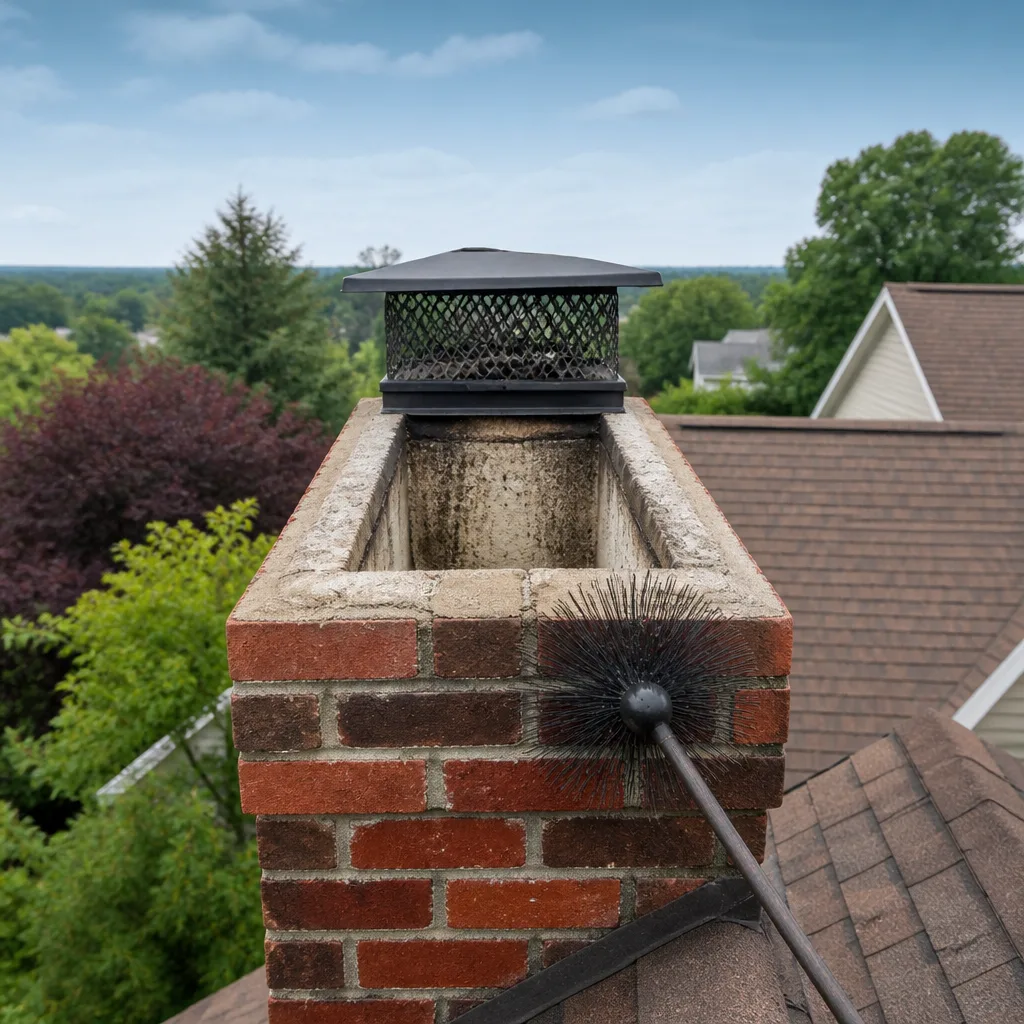 Sweep & inspection
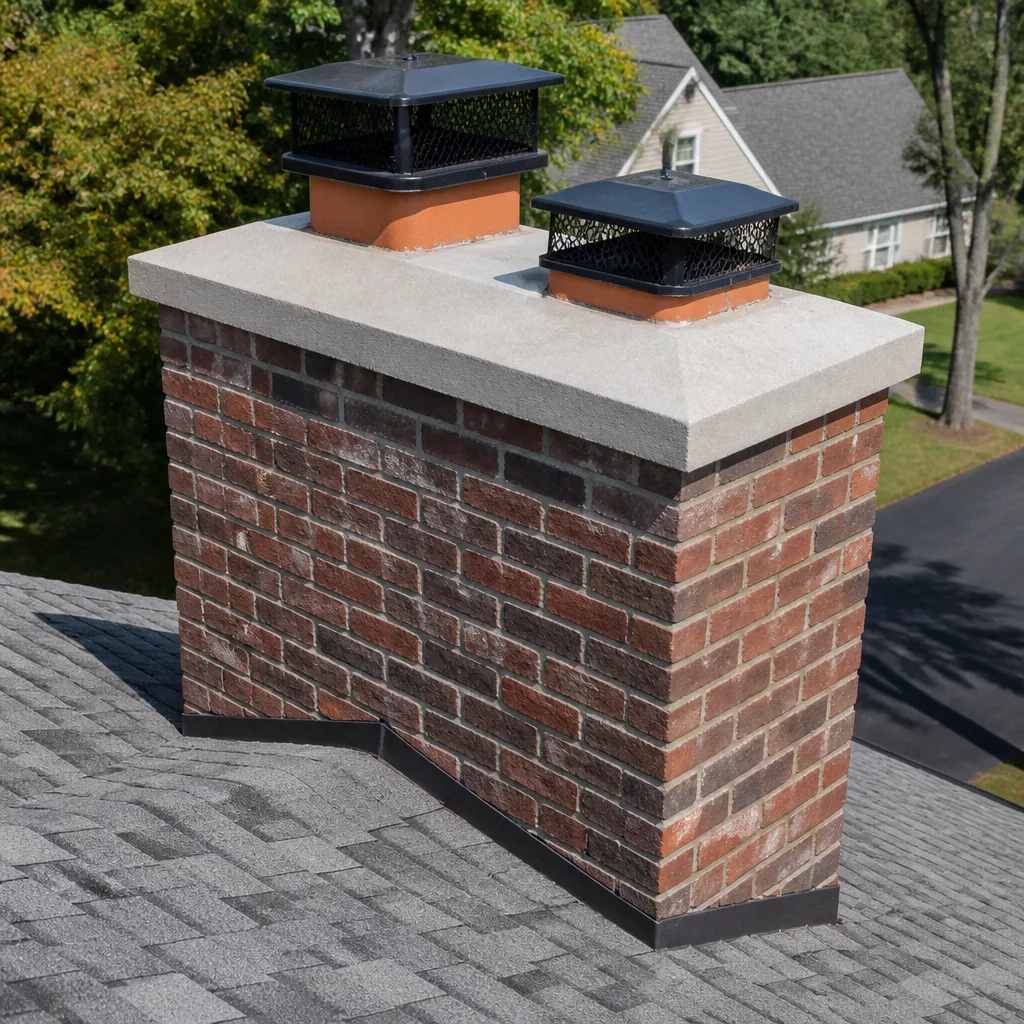 Caps & crowns
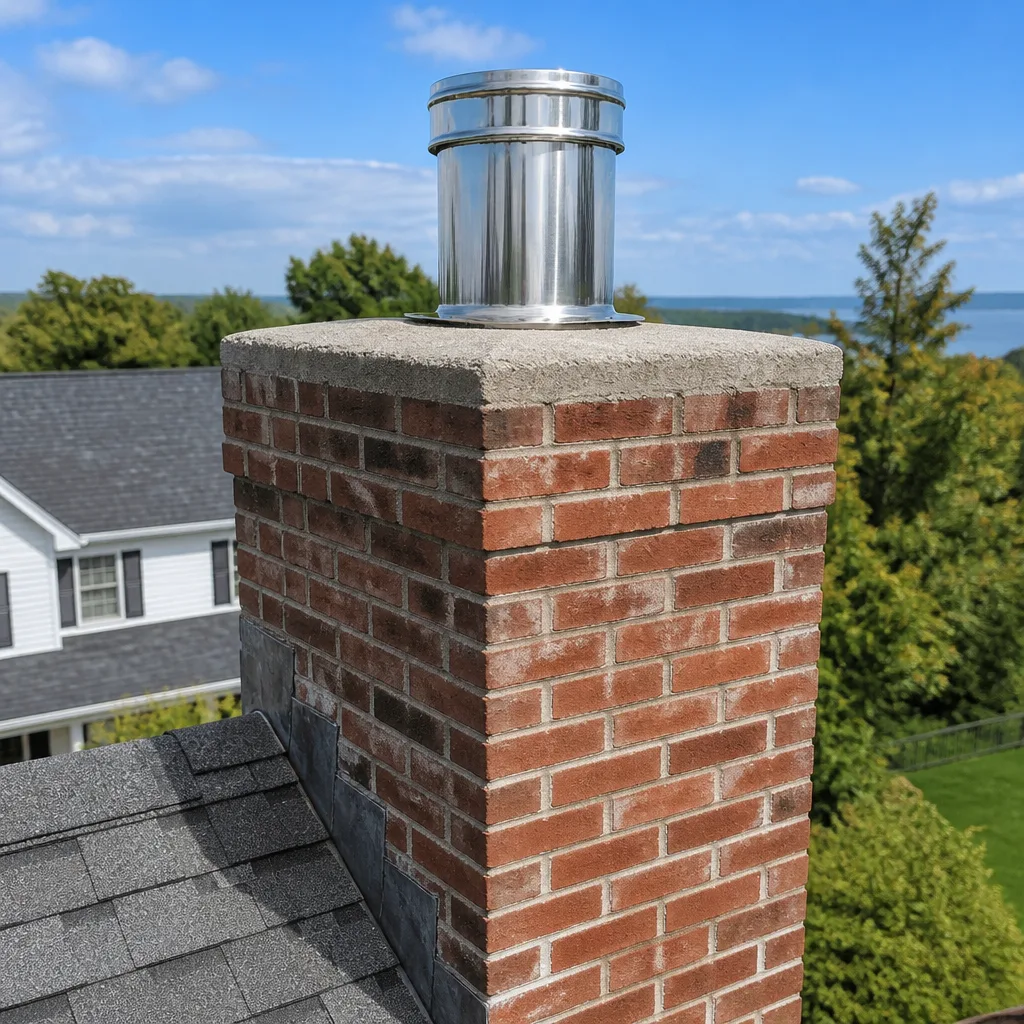 Flue relining
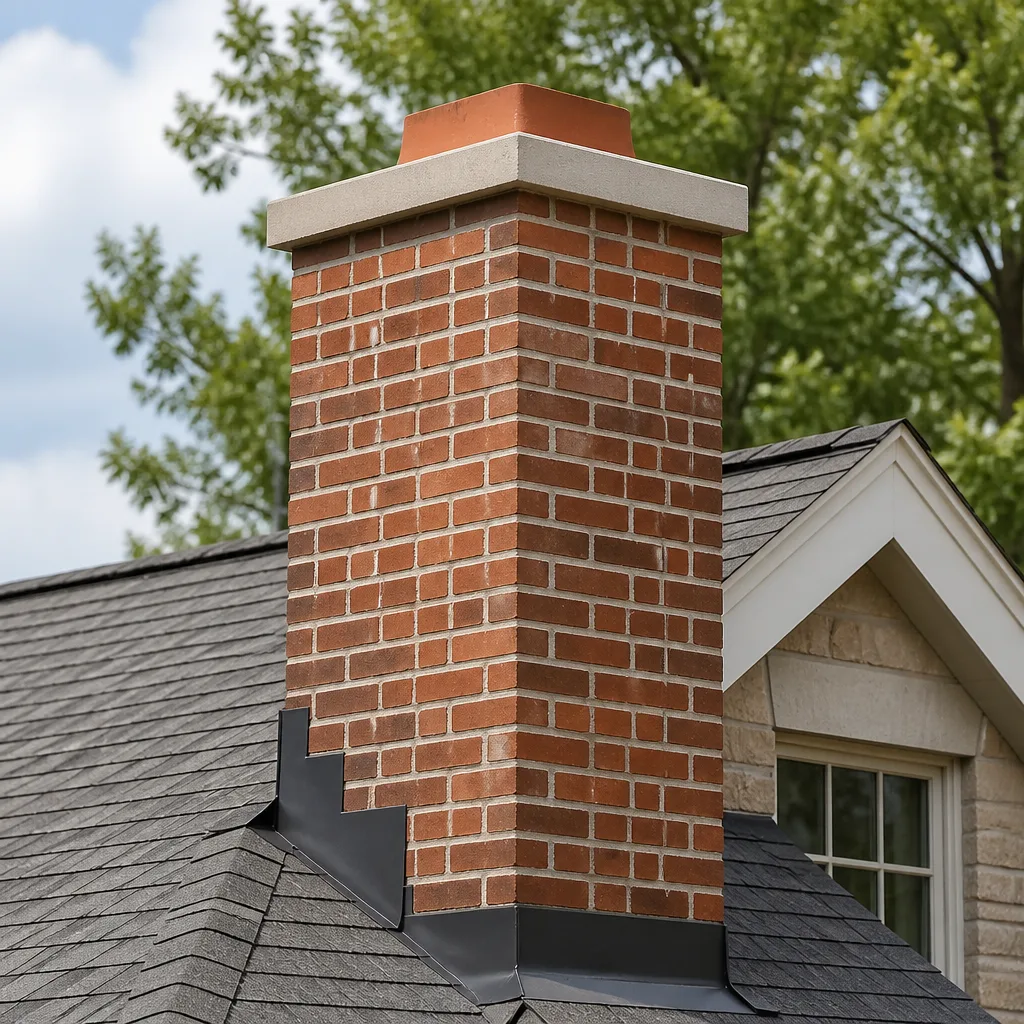 Masonry repair
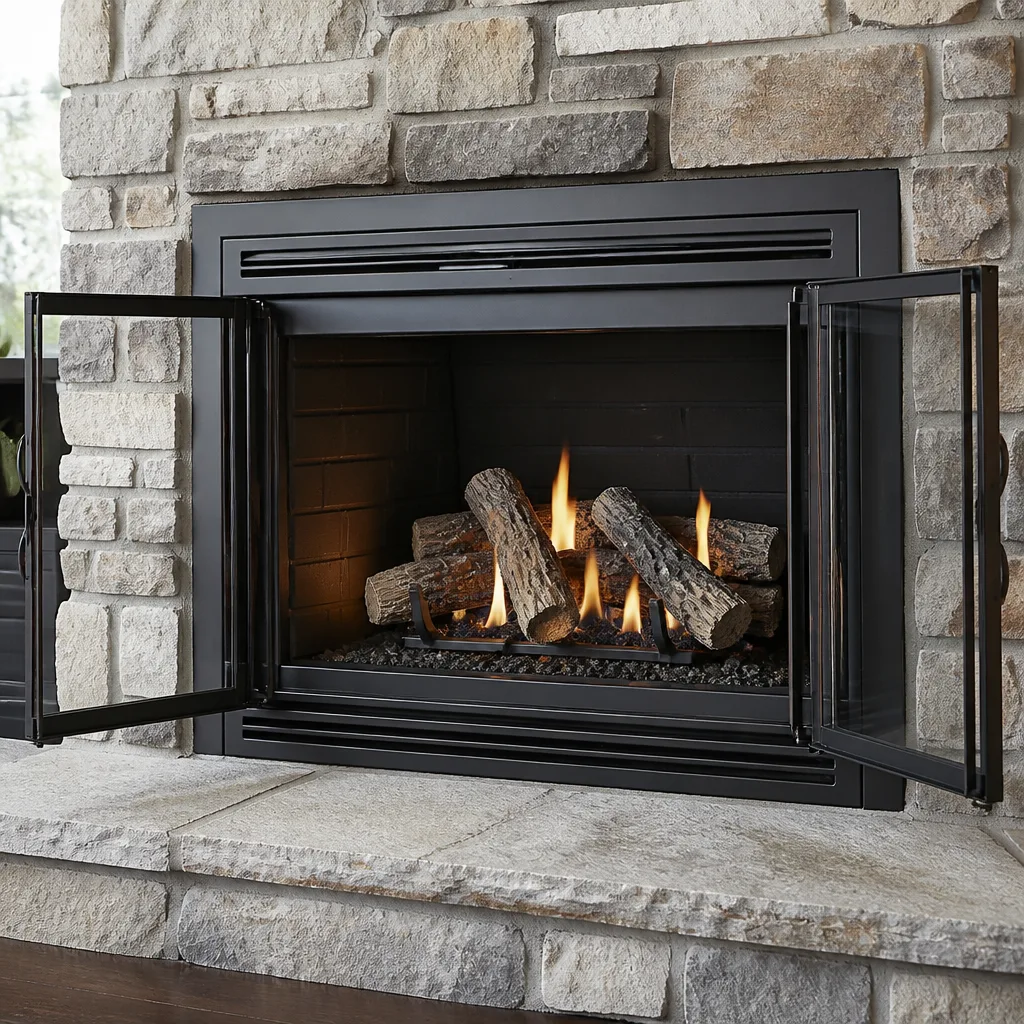 Gas fireplace service
Level 1 sweep and inspection to the NFPA 211 annual standard - flue, crown, cap, and flashing checked and photographed
Chimney sweep logs do not sweep chimneys. They loosen some creosote - which then falls where a brush and vacuum still have to collect it.
Seasonal Chimney Cleaning Care for East New York: Year-Round Homeowner’s Guide
Most chimney advice you’ll read treats the annual sweep as the whole job. Book it once, forget it, repeat. That calendar habit misses what’s actually happening to the system. In East New York, the worst time to discover your damper is seized open is February during a cold snap, when you can’t close off a draft and can’t burn safely either. The worst time to find a cracked crown is after a wet spring has already pushed water into your firebox and soaked the masonry behind it. Both failures are preventable, and neither one gets caught by a single fall appointment. This guide walks through chimney care as four separate seasonal tasks, each aimed at what that season does to the system, not just at a reminder on the calendar.
Quick Answer
Seasonal chimney cleaning in East New York works best as four distinct tasks: a full sweep and camera inspection in fall before the first fire, mid-season draft checks through winter, masonry and crown work in spring when mortar cures properly, and cap, crown and nesting checks in summer before demand peaks. Each season addresses a different failure mode, and skipping any one of them lets a specific problem go unaddressed until it gets expensive. Our technicians have up to 12 years of experience reading these seasonal patterns in Brooklyn buildings.
Styles & brands we work with
- Sweep & inspection
- Caps & crowns
- Flue relining
- Masonry repair
- Gas fireplace service
Table of Contents
- Why Four Seasonal Tasks Beat One Annual Sweep
- Fall: Pre-Season Sweep and Inspection Before the First Fire
- Winter: Mid-Season Draft Problems and What Causes Them
- Spring: Masonry Repair, Crown Sealing and Waterproofing
- Summer: Cap and Crown Checks, Nesting, and Planning Ahead
- How Brooklyn’s Urban Heat Island Changes Creosote Formation
- Common Mistakes to Avoid
- When to Call a Professional
Why Four Seasonal Tasks Beat One Annual Sweep
A chimney isn’t a pipe. It’s a system of connected parts that fail in different ways under different conditions. The flue lining handles heat and corrosive byproducts. The crown sheds water off the top. The cap keeps rain, birds and debris out. The firebox and smoke chamber manage the transition from fire to flue. When one part degrades, the others take on stress they weren’t designed for. A single annual sweep checks the flue but often leaves the exterior and the water-shedding components for “next time.”
East New York homes sit in a part of Brooklyn where the building stock ranges from early 20th century rowhouses to mid-century detached homes, and the chimneys attached to them vary just as widely. Some are original brick with clay tile liners. Some have been relined at some point. Some have been capped and sealed and never looked at since. A one-appointment-per-year model assumes every chimney ages the same way. It doesn’t.
Here’s what we mean by four distinct tasks:
- Fall is about readiness: sweeping out what last season left behind, then inspecting the whole system before you light the first fire.
- Winter is about monitoring: catching draft problems while the chimney is under active load, because cold weather stresses the system in ways warm weather doesn’t.
- Spring is about repair: doing masonry, crown and waterproofing work when temperatures let mortar and sealants cure correctly.
- Summer is about protection and planning: checking the cap and crown after storm season, clearing nests, and scheduling structural work before fall demand fills the calendar.
None of these replace the others. Each one addresses something the other three miss. For a homeowner in East New York who wants to stop reacting to problems and start preventing them, that’s the shift worth making. A chimney sweep in fall is the anchor, but it isn’t the whole picture.
Fall: Pre-Season Sweep and Inspection Before the First Fire
Fall is the appointment that sets up everything else. The goal isn’t just a clean flue. It’s a full picture of the system’s condition before you commit to a heating season. A proper pre-season visit covers more ground than a quick brush-and-go.
What a fall sweep and inspection should include:
- A full sweep of the flue sized to the appliance and the liner type, removing soot and creosote buildup from the prior season.
- A camera inspection of the liner to check for cracks, gaps, spalling, and separation at joints. A camera sees what a visual check from the firebox cannot.
- Smoke chamber inspection for creosote glazing and damaged parging, since the smoke chamber is where draft transitions from the firebox to the flue and is often neglected.
- Firebox and damper check for cracked brick, deteriorated mortar joints, and a damper that opens, closes and seals properly.
- Exterior inspection of the crown, cap, flashing, and any visible masonry, done from the roof or by camera where access is limited.
- A written photo report showing what was found, so you’re looking at the same evidence we are.
That last point matters. The most common anxiety we hear from East New York homeowners is being told they need thousands of dollars in liner or masonry work with no way to verify it. Camera evidence and photo documentation solve that. You see the inside of your own chimney, and you decide with us what actually needs attention now versus what can safely wait.
Fall is also the time to confirm your liner material is matched to your appliance. Older clay tile liners and modern high-efficiency inserts don’t always agree. If a prior owner installed an insert without relining, fall inspection is when that surfaces, not mid-January when the flue starts condensing.
Winter: Mid-Season Draft Problems and What Causes Them
Once the heating season starts, the chimney is under real load. Cold outdoor air, hot flue gases, and the pressure differences between inside and outside all interact. That’s when draft problems show up, and they show up in specific ways.
What to watch for mid-season
- Odor changes. A sharp, acrid smell when the fire is lit or when the chimney is idle can mean creosote is glazing or the flue is condensing more than it should. In cold weather, the flue warms slowly and stays below the temperature where creosote stays dry, so it accumulates faster.
- Smoke rollout. Smoke spilling into the room when you light a fire or add wood usually points to a draft problem: a flue that’s too cold, a blockage, an undersized flue for the appliance, or negative pressure from another exhaust source in the house pulling air the wrong way.
- Excessive condensation. Water running down the inside of the flue or staining at the damper can indicate a flue that isn’t staying warm enough, a liner that’s cracked, or a crown or flashing leak letting water in from above.
Cold snaps in Brooklyn hit differently than in the suburbs. The buildings are close together, the temperature swings are sharper, and the heat island effect (more on that below) means the outdoor air can shift several degrees in a short window. A chimney that drafts fine on a mild night can struggle on a hard freeze. If you notice any of these signs, stop burning and have the system checked. A blocked or damaged flue with a fire going is a carbon monoxide risk, not a comfort issue.
Mid-season, you don’t need a full sweep unless the buildup warrants it. What you need is a diagnostic visit that identifies why the draft changed. That’s an inspection, and it’s a service worth having on its own. Chimney Sweep East New York offers inspection as a standalone appointment, precisely so a diagnostic visit doesn’t turn into an upsell.
One more winter note: our technicians have up to 12 years of experience, and the single most common winter call we get is a homeowner who assumed a little smoke on startup was normal. It can be, briefly, on a cold flue. It isn’t normal if it happens every time or if it’s getting worse.
Spring: Masonry Repair, Crown Sealing and Waterproofing
Spring is the repair window, and the reason is temperature. Mortar, crown mix, and masonry sealants all need moderate conditions to cure properly. Too cold, and they don’t set. Too hot or too wet, and the cure is compromised. Spring in East New York gives you a stretch of moderate, workable weather that makes exterior chimney work last, which is why this is the right time for the jobs that protect the system for years.
What spring work typically covers:
- Crown repair or rebuild. The crown is the concrete cap at the top of the chimney that sheds water away from the masonry. A cracked crown lets water in, and water in the masonry is what drives most chimney deterioration. Repairing or rebuilding the crown in spring means it’s sealed before the wetter months return.
- Masonry repairs. Repointing mortar joints, replacing spalled brick, and repairing the flashing where the chimney meets the roof. All of these are cure-dependent, which is why fall and winter aren’t the right seasons for them.
- Waterproofing. A breathable masonry waterproofing applied in moderate weather protects the brick and mortar while letting the chimney release moisture. This is not a cosmetic step; it’s what keeps freeze-thaw cycles from splitting joints.
- Liner restoration where needed. If the fall inspection showed a deteriorated liner, spring is the season to restore it. We use HeatShield, a proprietary liner resurfacing system that restores a damaged flue without a full reline in the right conditions, and DuraFlex flexible liner systems for full relining where the flue requires it. Both are professional-grade materials from the supply lines certified chimney professionals rely on.
Here’s the practical advantage of spring for structural work: if your crown or masonry needs repair, doing it in spring gives the repair a full warm season to cure and settle before the next heating season stresses it. A repair rushed in November is a repair under pressure. A repair done in April is a repair that’s ready when you need it.
Spring is also when you want to catch water intrusion early. Water in the firebox, damp staining on the firebox walls, or rust on a damper are all signs the crown or flashing is letting moisture in. Left alone through a wet spring, that water works into the masonry and the problem grows. Catching it in March or April is a repair. Catching it in September is often a rebuild. Our chimney repair work covers crown, masonry, flashing and liner restoration as one scope, so nothing gets handed off to a second crew mid-project.
Summer: Cap and Crown Checks, Nesting, and Planning Ahead
Summer is the off-season for burning, but it’s not the off-season for the chimney. Two things happen to a chimney in summer that don’t happen the rest of the year: storm season stresses the cap and crown, and animals treat an open flue as real estate.
What summer inspection catches
- Storm damage to the cap and crown. Wind, heavy rain, and falling debris crack crowns and loosen caps. A cracked crown in June is a slow leak all summer. A loose cap can shift off the flue during a storm and leave it fully exposed.
- Bird and animal nesting. An uncapped or damaged-capped flue is a nesting site. Birds, squirrels and other animals build nests in flues because they’re sheltered. A nest is a blockage, and a blockage is a draft and carbon monoxide hazard. A properly fitted cap from Olympia Chimney or Famco, installed with the right fit for the flue, prevents this.
- Debris and moisture. Leaves, twigs and water collect in an open flue over the summer. If your cap is damaged or missing, this is the season it accumulates.
Summer is also the smart time to schedule structural work. Fall is the busiest season for chimney professionals because everyone wants a sweep before the first fire. Booking your crown repair, liner restoration, or masonry work in summer means it’s done and cured before fall demand peaks, and you’re not competing for a spot on the schedule in October. A chimney cap & crown check in summer is a five-minute visit that prevents a season of water intrusion.
If you’ve been putting off a repair decision because you’re not sure it’s necessary, summer is a low-pressure time to get it assessed. The system is idle, there’s no urgency forcing a fast call, and you have time to weigh the evidence. We inspect before we recommend for exactly this reason.
How Brooklyn’s Urban Heat Island Changes Creosote Formation
Creosote forms when flue gases cool below the temperature where their components condense onto the flue walls. The cooler the flue, the faster creosote builds. This is where East New York differs from suburban or rural wood-burning patterns, and it’s a difference most chimney advice ignores.
A dense urban environment holds heat. Buildings, pavement and rooftops absorb and re-radiate warmth, so outdoor temperatures in East New York can run several degrees higher than in surrounding areas with more open ground and tree cover. What does that do to your chimney?
- Slower flue warm-up in the shoulder seasons. A flue that’s slow to reach operating temperature condenses more during the early part of a fire. That means more creosote deposits per burn, especially in the first fires of fall when the outdoor air is still shifting.
- Sharper temperature swings. Urban areas can swing between warm days and cold nights faster than open areas because the heat stored in buildings releases as the air cools. Each swing means another condensing cycle on the flue.
- Shorter but hotter burn patterns. Many East New York homeowners burn for shorter, hotter periods rather than continuous long burns. Short burns warm the flue less reliably than a steady fire, which again favors faster creosote formation.
The practical takeaway: creosote in an East New York chimney can build faster than a rural homeowner’s burn pattern would predict, even if the number of fires is the same. That’s one more reason the four-season model makes sense here. A fall sweep clears what the last season deposited, and a mid-season look catches the faster-than-expected buildup before it glazes. If you want to understand your own buildup rate, ask for the camera inspection and see it for yourself; that’s the honest way to know whether an annual sweep is enough or your system needs a closer check. We use materials certified chimney professionals trust, from DuraFlex to Gelco, so whatever the inspection shows, the repair uses the right product line.
Common Mistakes to Avoid
- Treating the annual sweep as the whole job. A sweep cleans the flue. It doesn’t check the crown, the cap, the flashing, or the smoke chamber unless someone asks. Four seasonal tasks cover the whole system; one appointment doesn’t.
- Waiting until the first cold snap to book. Fall is the busiest season, and a chimney that hasn’t been checked since last spring has had a full year of weather and nesting to develop problems. Booking in late summer gets you ahead of the rush.
- Doing masonry repair in cold weather. Mortar and crown mix don’t cure properly below moderate temperatures. A crown “repaired” in November can fail by January. Spring is the season for exterior repair, and rushing it costs more in the end.
- Ignoring a cracked crown. Water in the masonry is the root of most chimney deterioration in East New York. A crown crack is a slow leak that turns into spalling brick and failed mortar joints. Catch it in spring, not after a wet season.
- Assuming a cap is optional. An uncapped flue is an open door for rain, birds, squirrels and debris. A properly fitted cap from a professional line like Olympia Chimney or Famco is one of the cheapest protections you can add to the system.
- Burning without checking the liner. A cracked or deteriorated liner lets heat and gases into the masonry, and that’s a chimney fire and carbon monoxide risk, not a cosmetic issue. A camera inspection is how you know.
- Skipping the summer check. Summer is when storm damage and nesting happen. Skipping the off-season check means finding the problem in fall, when the schedule is full and the damage has had months to settle in.
When to Call a Professional
Some chimney issues are worth a professional’s eyes the moment you notice them. Call us if you see smoke rolling into the room on a regular basis, smell a sharp or acrid odor when the chimney is idle, find water in the firebox or rust on the damper, notice cracked or missing mortar on the exterior, have a cap that’s loose or missing, or hear animals in the flue. Any of these can point to a problem a sweep alone won’t solve. For anything involving the liner, the crown or the masonry, a proper inspection comes before any recommendation, and you see the camera evidence yourself. Chimney Sweep East New York offers free estimates in East New York – call (855) 337-0826. We answer 24/7. Fast dispatch from 7am to 7pm, Sunday through Friday. If your chimney is overdue for its fall sweep, the Chimney Sweep East New York visit is the place to start.
See the difference
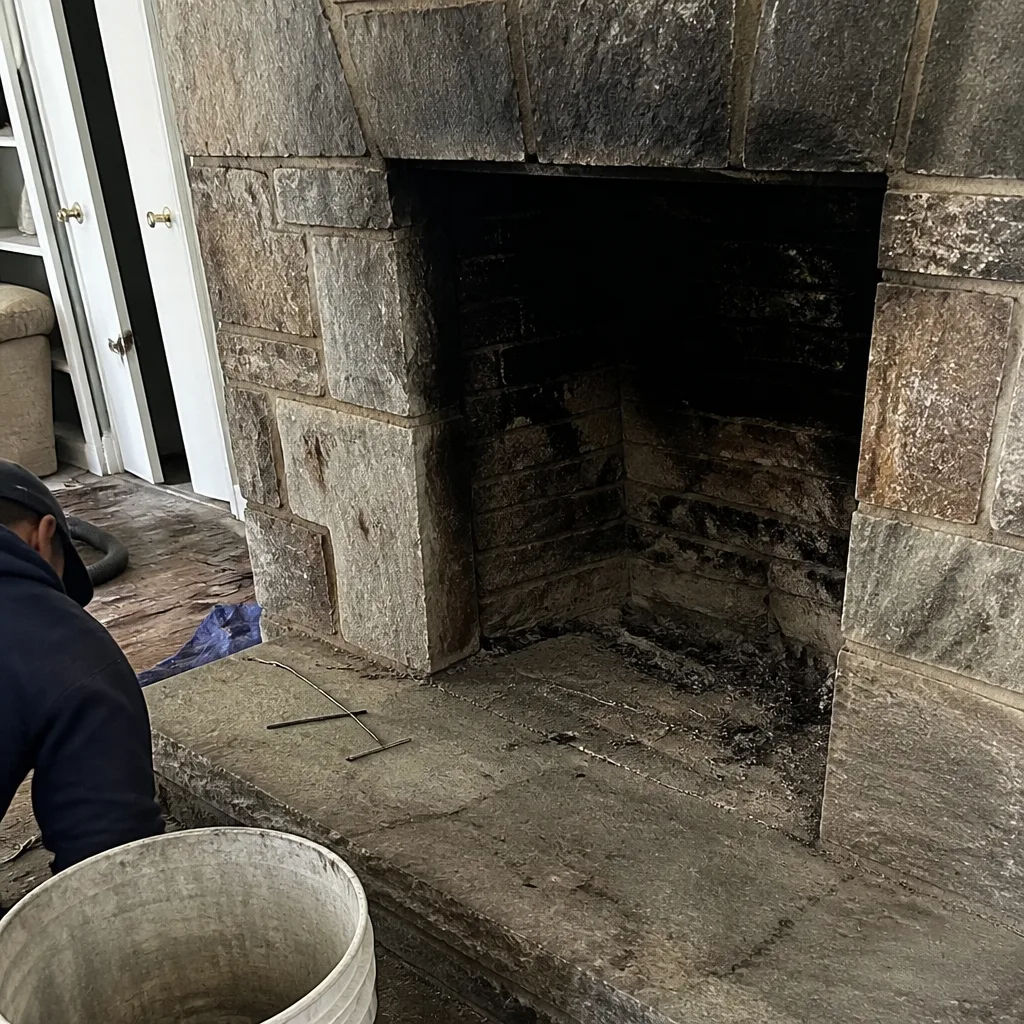 Before
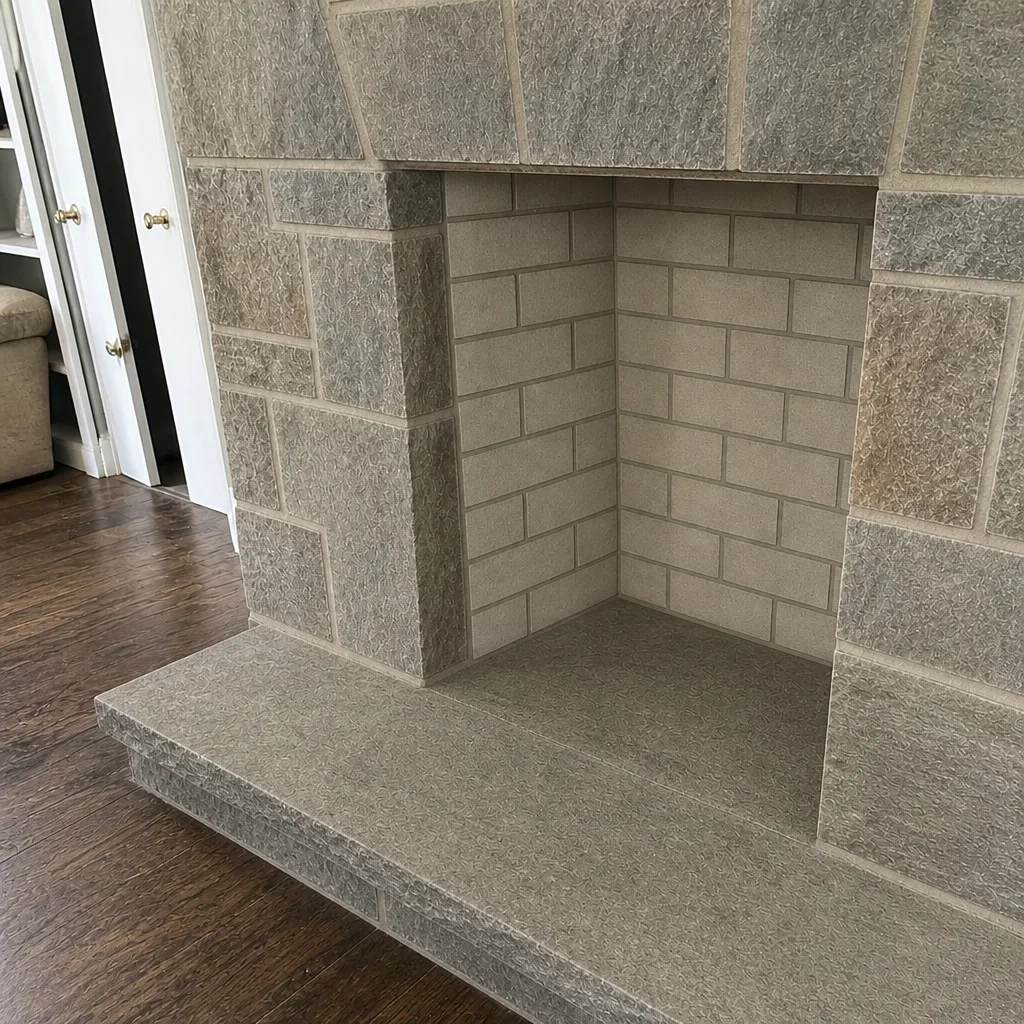 After
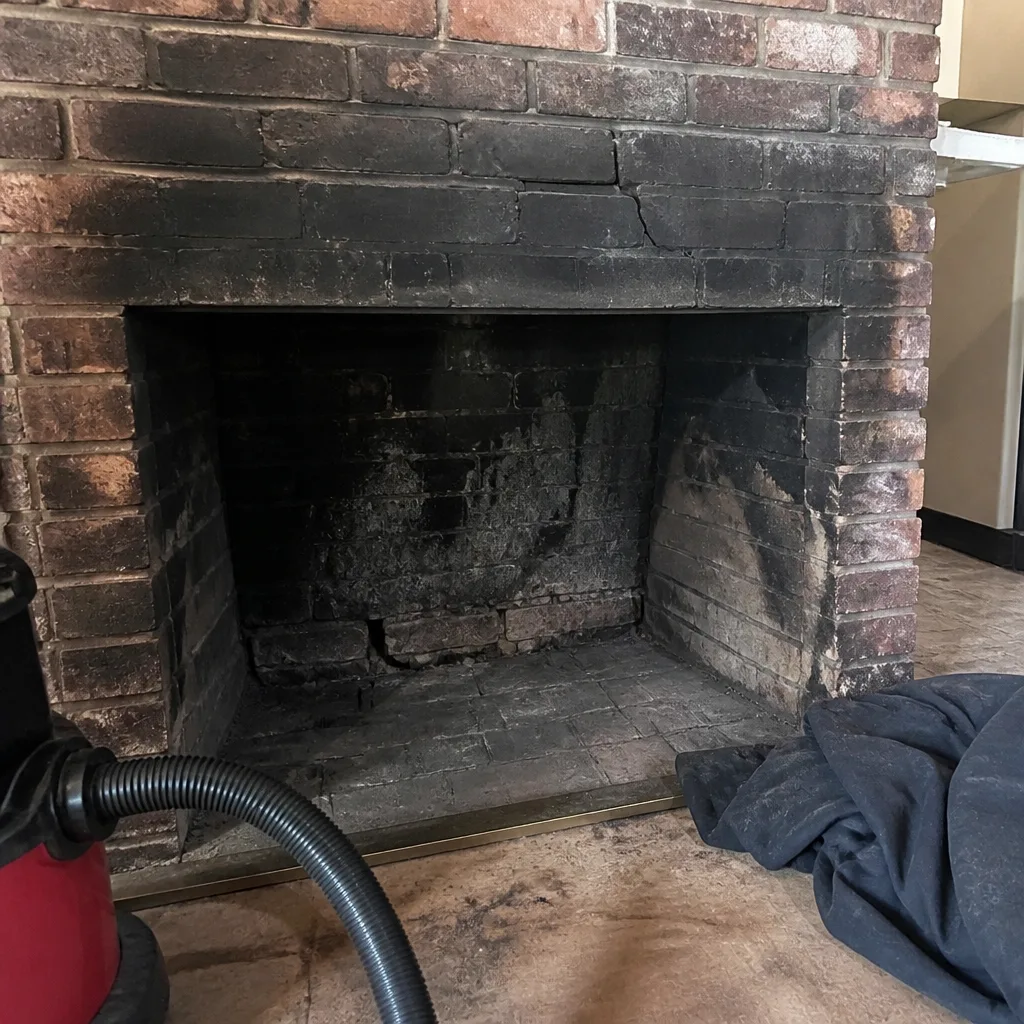 Before
 After
 Before
 After
Frequently Asked Questions
Most East New York chimneys should be swept once a year, in fall before the first fire, with a mid-season inspection if you notice draft or odor changes. Because the urban heat island can speed creosote formation, a chimney that burns regularly may need a closer look than a suburban burn pattern would suggest. Call (855) 337-0826 for an exact quote; estimates are free.
Skipping seasonal care lets creosote build, water intrusion go unchecked, and small crown or masonry cracks grow into larger repairs. It also means a liner problem can go unnoticed into the heating season, which is a chimney fire and carbon monoxide risk. If you’ve skipped a season, book an inspection before the next fire. Call (855) 337-0826; estimates are free.
You need a new liner only if the camera inspection shows the existing liner is cracked, deteriorated or mismatched to your appliance. A sweep alone can’t tell you that, which is why we inspect with a camera before recommending any reline. In some cases a liner restoration with HeatShield is the right call instead of a full reline. Call (855) 337-0826 for an exact quote; estimates are free.
Spring is the right time because mortar, crown mix and masonry sealants need moderate temperatures to cure properly. A repair done in cold or wet weather can fail before the next heating season. Doing crown, masonry and waterproofing work in spring gives it a full warm season to cure before it’s stressed by winter. Call (855) 337-0826 to schedule a spring repair estimate.
Watch for smoke rolling into the room, a sharp or acrid smell when the chimney is idle, and water running down the inside of the flue or staining at the damper. Each points to a different cause, from a cold flue to a blockage to negative pressure in the house. Stop burning and get it checked if any of them appear. Call (855) 337-0826; estimates are free.
Yes, because summer is when storm damage hits the cap and crown and when birds and animals nest in an open flue. A summer check catches a cracked crown or a loose cap before it becomes a water intrusion problem, and it’s the quiet season for scheduling structural work before fall demand peaks. Call (855) 337-0826 for a summer cap and crown check.
The Bottom Line
Chimney care in East New York works better as four seasonal tasks than one annual reminder. Fall is for the sweep and camera inspection that set up the season. Winter is for watching draft, odor and condensation while the system is under load. Spring is for crown, masonry and waterproofing work that only cures properly in moderate weather. Summer is for cap and crown checks, nesting, and planning structural work before the fall rush. Each season catches something the others miss, and together they keep the system from drifting toward a repair you didn’t see coming. Our technicians have up to 12 years of experience, and we inspect before we recommend, with camera evidence you can see for yourself. Our chimney repair and chimney cap & crown work runs on professional-grade materials, including DuraFlex, HeatShield, Gelco, Olympia Chimney, Famco and Copperfield, because a proper repair is not a patch.
Contact
If your chimney hasn’t had a seasonal check this year, start with an inspection. Call Chimney Sweep East New York at (855) 337-0826 for a free estimate. We answer 24/7. Fast dispatch from 7am to 7pm, Sunday through Friday. One call, full system, and nothing subcontracted or skipped.
Written by the team at Chimney Sweep East New York.