
Last updated November 22, 2026
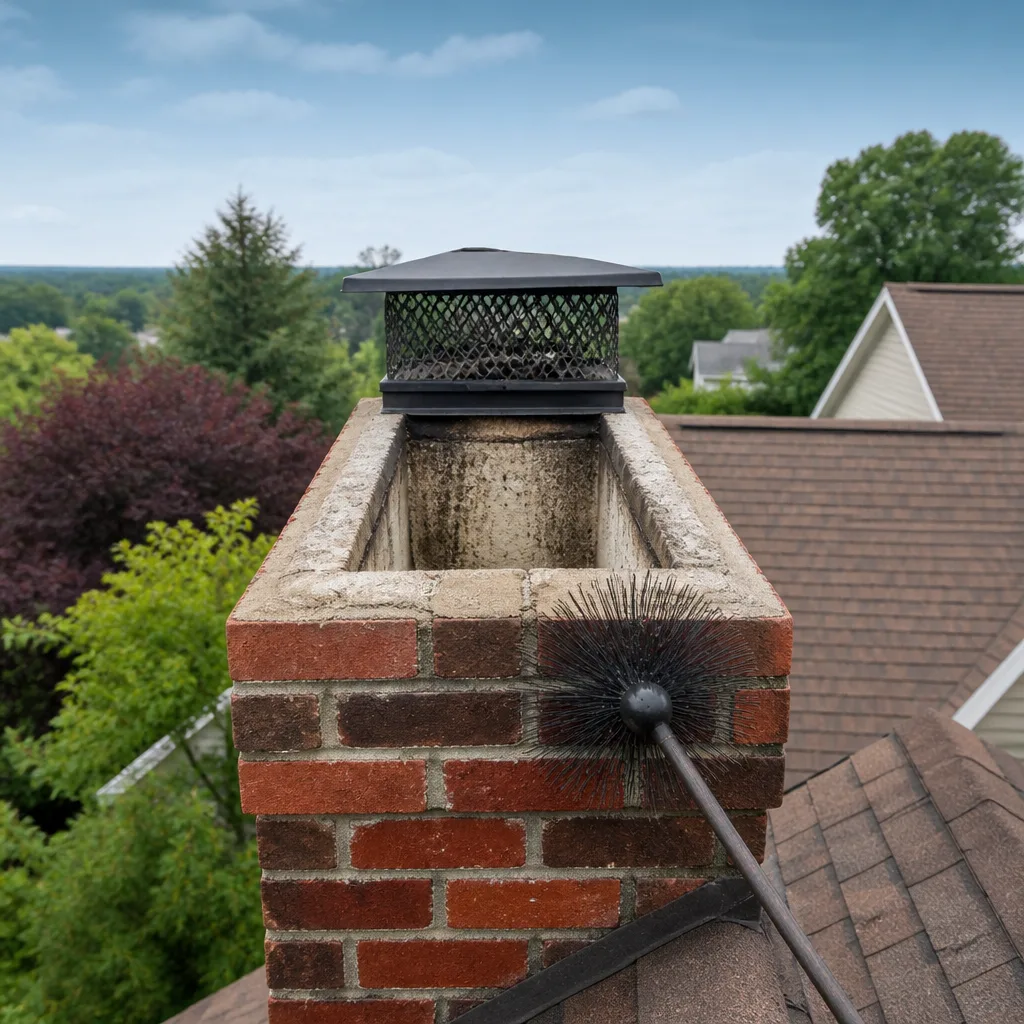 Sweep & inspection
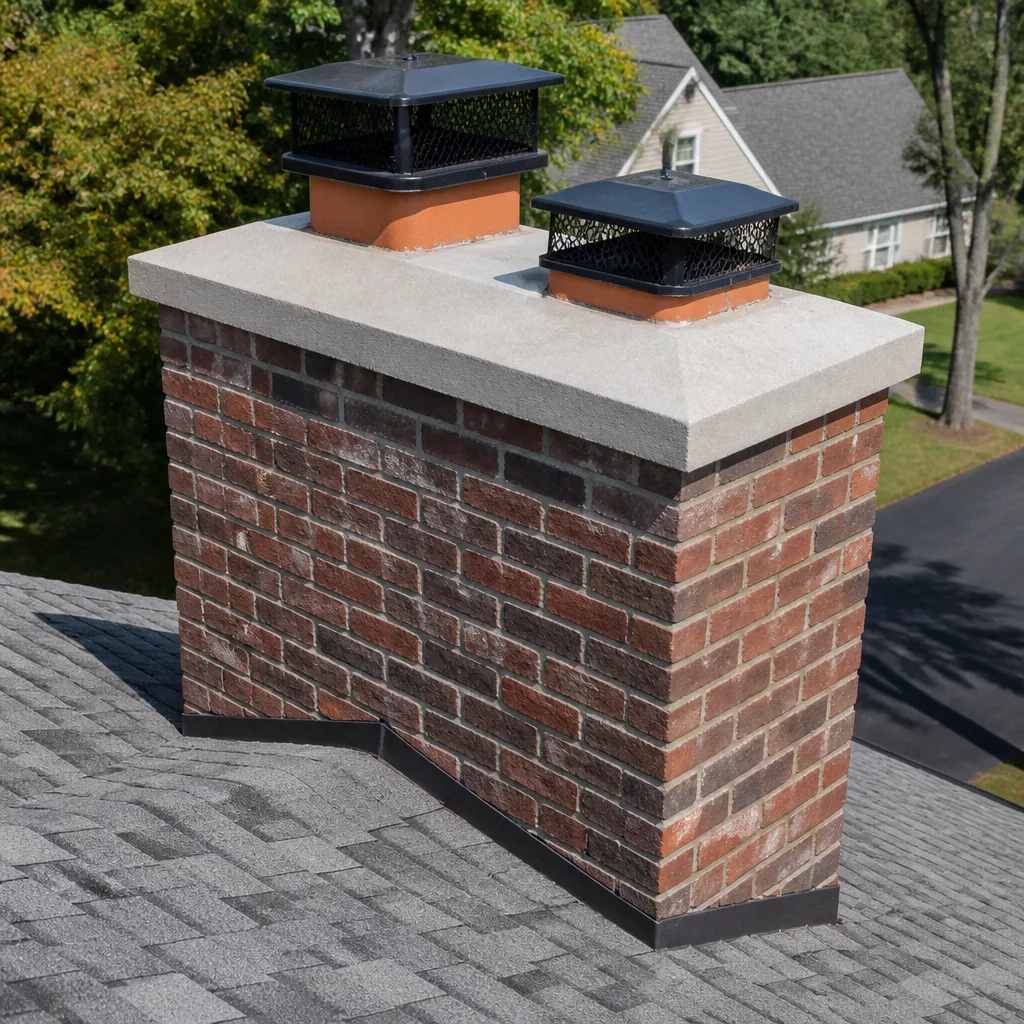 Caps & crowns
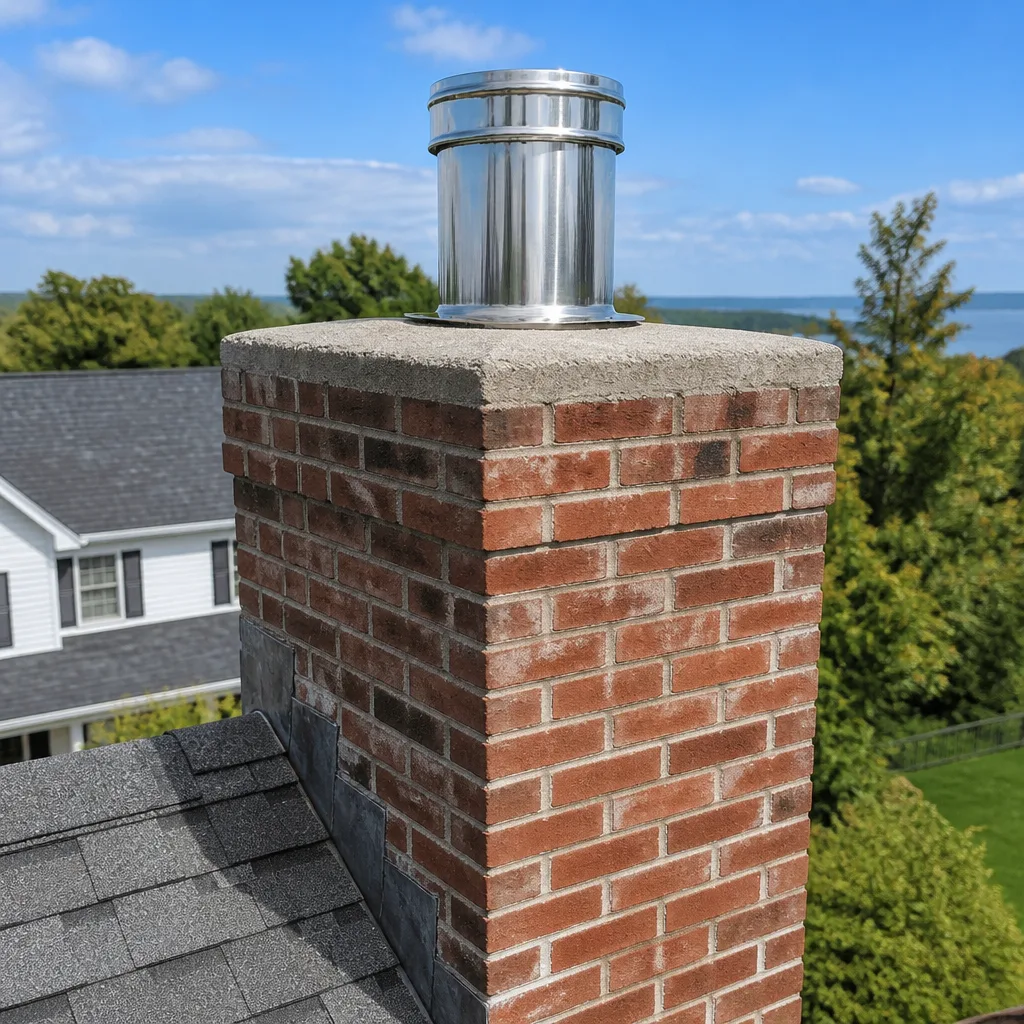 Flue relining
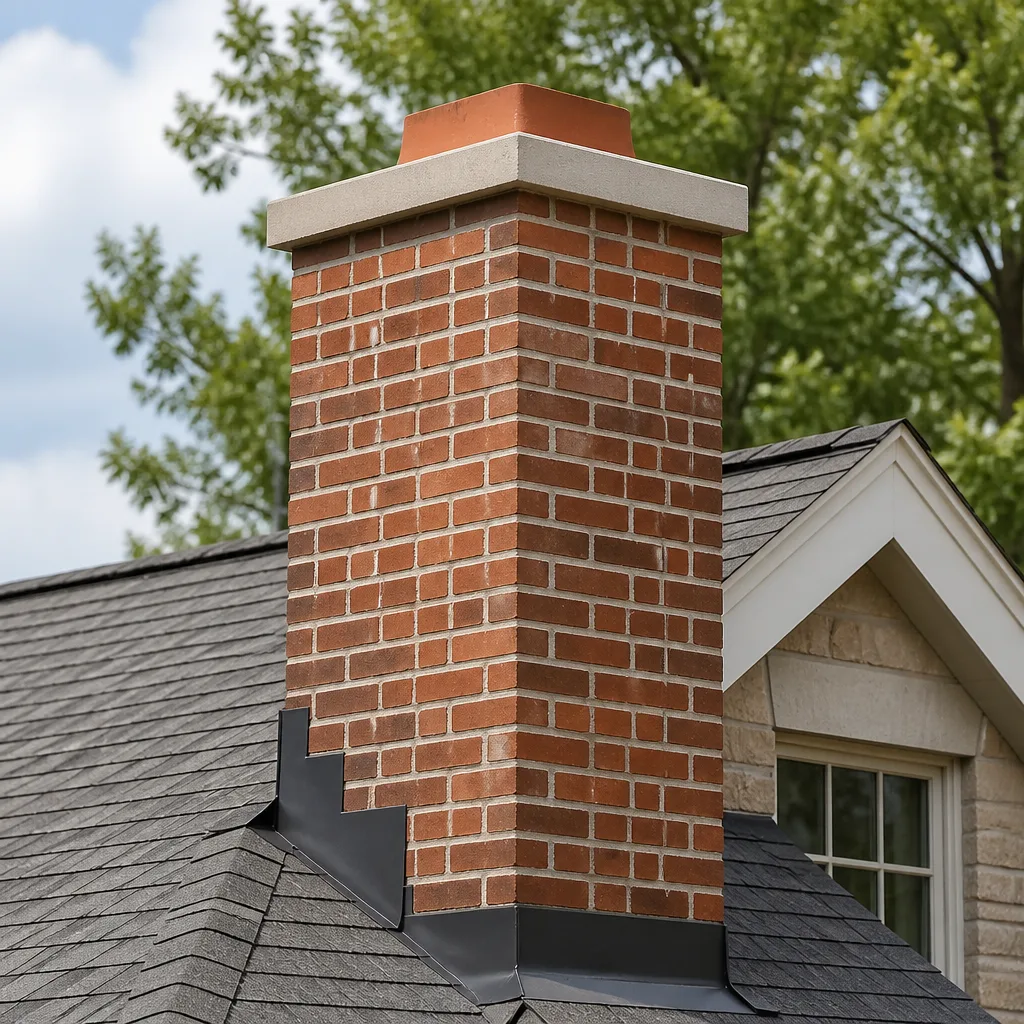 Masonry repair
 Gas fireplace service
Level 1 sweep and inspection to the NFPA 211 annual standard - flue, crown, cap, and flashing checked and photographed
Chimney sweep logs do not sweep chimneys. They loosen some creosote - which then falls where a brush and vacuum still have to collect it.
DIY vs Professional Chimney Cleaning: The East New York Homeowner’s Decision Guide
A chimney brush and a set of rods costs about $80 at a hardware store. What that kit can’t do: assess liner integrity, clean a smoke shelf properly, or spot a cracked crown under a layer of algae. The brush is the easy part. Knowing what you’re looking at inside the flue, and what it means for the attached brick wall running up the side of your building, is where the real work lives. This guide walks through what a homeowner in East New York can realistically handle, what should stay in professional hands, and the narrow situation where doing it yourself is a defensible choice.
Quick Answer
DIY chimney cleaning is defensible in exactly one scenario: you burn occasionally, a sweep has confirmed you have a light, Stage 1 creosote deposit, and your liner was recently inspected and is known to be intact. In every other case, especially in East New York’s older attached rowhouses where a shared wall means a chimney fire on one side becomes a problem on both, professional cleaning and inspection is the safer call. A brush removes soot. It does not diagnose the system.
Styles & brands we work with
- Sweep & inspection
- Caps & crowns
- Flue relining
- Masonry repair
- Gas fireplace service
Table of Contents
- What DIY chimney cleaning can actually accomplish
- What DIY cleaning cannot do (and why it matters)
- The rowhouse factor in East New York
- Consumer brush kits vs professional rotary systems
- Reading creosote stages: what you can and can’t see from below
- The situations where professional service is non-negotiable
- A realistic DIY attempt checklist
- Cost and value: what you’re really paying for
What DIY Chimney Cleaning Can Actually Accomplish
We want to be honest about the scope, because a lot of DIY advice overpromises. A homeowner with the right brush, proper rods, drop cloths, and a shop vacuum can do a real cleaning of the firebox and the lower sections of the flue. If the chimney has been professionally serviced recently and the liner condition is documented, keeping it clear between professional visits with a light soot sweep is within reach. That is the whole of it.
The conditions that make DIY reasonable:
- You burn firewood occasionally, not as a primary heat source. A fireplace used a few times a month during the cold season deposits creosote slowly.
- A chimney professional has inspected within the past season and confirmed the liner is intact, with no gaps, no spalling, and no offset joints.
- The last professional sweep confirmed Stage 1 creosote only: a light, flaky soot layer that brushes off easily.
- The chimney is a straightforward straight flue with no offsets, no smoke chamber damage, and a cap that is intact.
- You’re comfortable on a ladder (or can work entirely from the firebox side, which is safer), and you understand the airflow of your own fireplace.
Even in this narrow window, the DIY job is really a maintenance touch-up between professional visits, not a replacement for them. The professional visit is where the diagnosis happens. The DIY touch-up is where you keep soot from building up between visits.
If you’re in East New York and you haven’t had a documented inspection, that first step is the one we’d take before anything else. Our team offers an inspection as a standalone service, so you can learn the system’s condition without a repair recommendation attached. You can also book a standard chimney sweep to pair with the inspection and get a full baseline.
What DIY Cleaning Cannot Do (and Why It Matters)
Here is the honest list. Not because we want to discourage DIY in the one scenario above, but because leaving these out is exactly what gets homeowners into trouble the moment they assume a DIY sweep has covered them.
- Smoke chamber cleaning. The smoke chamber is the sloped interior space above the firebox and below the flue. Creosote collects on the corbelled walls in patterns that hand brushes cannot reliably reach. Professional cleaning uses specific technique and sometimes rotary tooling to clear it properly. A brush going straight up the flue leaves the smoke chamber largely untouched.
- Liner camera inspection. A camera on the end of a rod shows the actual interior condition of the flue tile or metal liner. Cracks, gaps between tile sections, and separation at the top are visible on camera and not visible from the firebox mouth with a flashlight.
- Creosote stage assessment. Stage 1 is flaky and brushes off. Stage 2 is tar-like and needs rotary cleaning. Stage 3 is glazed, hardened, and requires chemical treatment followed by rotary work. You cannot reliably distinguish Stage 2 from Stage 3 with a hand brush and a flashlight.
- Flashing condition evaluation. The flashing is the metal where the chimney meets the roof. Its condition drives whether water is getting into the chimney structure and down into ceiling cavities. That requires getting on the roof and reading the material.
- Structural diagnosis. Crown cracks, spalling brick, mortar joint failure, and offset liner joints all require professional eyes and typically a camera to confirm. A brush won’t tell you any of it.
You can also add two more things that a brush can’t deliver: documentation for your insurance company if you ever file a chimney-related claim, and a photo record of system condition over time. Both matter in East New York where so many homes are older and have been altered over the decades.
A clear picture of the chimney’s actual condition is worth more than a spotless firebox. That is why we treat chimney repair as a diagnosis-driven service rather than a quote-driven one. We inspect before we recommend, and we show the customer what we found.
The Rowhouse Factor in East New York
East New York is built on attached and semi-detached rowhouses, and that changes the risk math on chimney cleaning in a way that rarely comes up in general DIY advice. A chimney serving one side of a shared wall shares more than masonry. It shares a stack of airspace, often with a neighboring flue running up the same chimney breast, and in older buildings the original separation between flues may have been altered during a renovation decades ago.
Why that matters:
- Fire in one flue can migrate. If a liner has a crack, a hot creosote ignition in one flue can find its way into the adjacent masonry, and from there into the neighboring property’s structure. In an attached rowhouse, the fire line is not your property line.
- Unknown liner condition is the real risk. A DIY cleaning in a chimney with a documented, intact liner is a maintenance task. The same cleaning in a chimney with unknown liner condition is a gamble on structural unknowns. You can’t see the crack from the firebox, and you can’t see it with a brush going up the flue.
- Prior alterations are common in East New York. Homes in Cypress Hills, City Line, and New Lots have gone through multiple decades of renovation, appliance swaps, and roof work. Each generation of alteration leaves a trace in the chimney system, and those traces are what a professional inspection is specifically looking for.
- Insurance implications. If a chimney fire in an attached rowhouse spreads to a neighbor, the coverage questions get complicated fast. A documented professional inspection and sweep history is a genuine asset in any insurance conversation.
None of this makes DIY cleaning illegal or wrong in the narrow safe scenario above. It just means “I cleaned my chimney myself” carries more weight in East New York than it might in a detached house in a suburb. The stakes for the next family over are real.
Consumer Brush Kits vs Professional Rotary Systems
The brush kit in the hardware aisle and a professional rotary cleaning system are not the same tool, and the difference in outcome is larger than most homeowners expect. Consumer poly brushes on flexible rods work fine for light soot removal from a straight flue. They are not designed for tar-like or glazed deposits, and they don’t rotate enough to scrub the full circumference of an offset or corbelled flue.
What the professional side uses:
- Rotary cleaning systems. A motorized whip or brush head on a flexible shaft spins at controlled speed inside the flue, giving even contact on the full interior circumference. This is what Stage 2 and Stage 3 creosote actually requires.
- Specialty brush materials. Steel, poly, and hybrid heads sized to the flue diameter. A brush that is too small leaves deposits along the walls; one that is too large can damage the liner.
- Camera tooling. A color camera on a semi-rigid rod, feeding a live image to a monitor, lets the technician read liner condition up close. This is not something you can recreate with a phone flashlight and a mirror.
- Chemical treatment capability. Stage 3 glazed creosote requires chemical conversion before rotary removal. That treatment is part of the professional kit and is not part of consumer cleaning.
- Component brand access. If the inspection reveals a damaged cap, a cracked crown, or a compromised liner, professional-grade replacement components from brands like Olympia Chimney, Famco, and Gelco are the standard. Big-box substitutes aren’t the same specification. We carry access to those professional channels specifically because the repair outcomes depend on it.
The honest summary: a $80 consumer brush kit can remove light soot. It cannot do what a rotary system can do, and it cannot produce the diagnostic information that determines whether the chimney is safe to use.
Reading Creosote Stages: What You Can and Can’t See From Below
Creosote is the deposit that builds up on the interior walls of a chimney as wood smoke cools on its way out. It comes in three recognized stages, and the stage determines what kind of cleaning is required. Getting the stage wrong is one of the most common reasons a DIY cleaning leaves a chimney less safe than it looked.
The three stages, in practical terms:
- Stage 1: soot and flaky deposit. Brushes off easily. This is the stage that a consumer brush kit can actually address. Frequent professional sweeps keep chimneys here.
- Stage 2: tar-like and hardened. Brushing alone doesn’t clear it. Requires rotary cleaning with the right brush head for the flue diameter. Common after a season of heavy use with unseasoned wood.
- Stage 3: glazed, hardened, shiny. The most combustible stage. Requires chemical treatment followed by rotary cleaning. Not safely addressable by hand tools, full stop.
What you can see from below with a good flashlight: the firebox interior, the damper area, and a foot or two of the flue depending on the fireplace geometry. What you can’t see from below: anything above the smoke shelf line, anything on the offset side of a flue, and the full circumference of the flue interior. In older East New York rowhouses, the smoke shelf and the offset are exactly where deposits collect hardest.
The reason this matters is straightforward. If you clean your chimney thinking it’s Stage 1 and it’s actually Stage 2, you brush the surface and leave a tar layer underneath. The next fire that runs at higher temperature than usual has a much lower margin before ignition. That is where professional Stage assessment is worth every dollar of the sweep cost. Call (855) 337-0826 if you want a straight answer on your deposit stage before you decide.
The Situations Where Professional Service Is Non-Negotiable
There’s one situation where professional service is not optional regardless of how often you burn. Actually two.
Number one: any chimney that has not had a camera inspection in more than three years. The camera is the only reliable way to see what’s happening inside the liner. Cracks, joint separation, and offset damage develop silently. A chimney that brushes clean can still have a liner that needs replacement, and the only way to know is a camera inspection. If the last one was more than three years ago, schedule a new one before you burn again. That is a hard rule we’d give to our own families.
Number two: any chimney that serves a gas appliance. Gas appliance chimneys are outside the DIY lane entirely. Carbon monoxide risk is the concern here, not creosote. Gas appliance venting is a combustion safety topic and belongs in professional hands every time. This is not a “probably” situation. It’s a “call and get it done” situation. Carbon monoxide has no smell and gives no warning, and the failure mode is not a dirty chimney; it’s an improperly vented one.
Beyond those two, professional service is the right call when:
- The chimney serves an oil furnace or a wood stove as a primary heat source.
- There’s any known history of chimney fire, even a small one.
- The last professional inspection flagged anything, even something minor.
- You’re preparing to sell the property and need documentation.
- You’re in an attached rowhouse and are not certain of liner condition.
For the rowhouse case specifically, a documented baseline inspection is the responsible starting point. From there, the maintenance path depends on what the camera shows.
A Realistic DIY Attempt Checklist
If you’ve decided the narrow safe scenario applies to you and you’re going to do the touch-up yourself, here’s how a proper attempt goes. If any step here feels uncertain, that’s a signal to book professional service instead.
- Confirm the liner condition first. This is the gate. Without a recent professional inspection that documented an intact liner, don’t start. The rest of this checklist assumes that inspection happened.
- Wait for the right weather. Not raining, and not a high wind day. Working on a roof or around an exterior chimney in bad weather is a real injury risk.
- Cover everything. Drop cloths over furniture, a sealed plastic sheet over the firebox opening, and a shop vacuum set up before you start. Soot travels further than you’d expect.
- Work from the top down. If you have safe roof access, brush from the top and let the debris fall into the firebox. If ladder access to the roof isn’t safe, work from the firebox up with rods. Never lean a ladder against a chimney with an unknown crown condition.
- Use the right brush size. The brush must match the flue diameter. An oversized brush can crack tile. An undersized brush leaves deposits.
- Clear the smoke shelf. The shelf is the flat area just above the damper. Use a mirror and flashlight to check it. If you can’t see it, don’t pretend it’s clean.
- Vacuum the firebox and check for debris. Any debris left in the firebox interior is a fire hazard the next time you burn.
- Log what you found. Note the deposit amount and appearance. If anything looked tar-like or glazed, stop and call a professional. That is Stage 2 or 3 and needs rotary work.
- Note the date. DIY cleaning between professional visits should never delay the next scheduled professional inspection.
If you’re doing this checklist and you’re not sure about the liner condition gate at step one, that’s the whole decision. Book the inspection and let the camera tell you what you need. That is what we do, and it is why inspection is offered as a standalone service rather than bundled.
Cost and Value: What You’re Really Paying For
We’ll keep this honest, because the DIY vs professional decision is fundamentally a value question. Here’s how the costs break down on a typical East New York home.
| Item | Typical cost | What you get |
|---|---|---|
| Consumer chimney brush kit and rods | ~$80 one-time | Light soot removal from the firebox and lower flue. No inspection, no diagnosis, no documentation. |
| Professional chimney sweep | Estimate per job | Full flue cleaning including the smoke chamber, rotary capability if the deposit stage requires it, and a documented condition report. |
| Professional camera inspection | Estimate per job | Colour camera image of the liner interior, joint condition, and smoke chamber. The only reliable read on liner integrity. |
| Liner restoration or relining | Estimate per job | If the inspection reveals a compromised liner, HeatShield restoration (a proprietary resurfacing method) or DuraFlex flexible liner systems, both professional-grade materials. |
| Crown repair or cap replacement | Estimate per job | Professional components from brands like Olympia Chimney and Gelco to keep water out and animals from entering. |
The real argument for professional cleaning isn’t that the brush is expensive. It’s that the $80 kit doesn’t buy you diagnosis, doesn’t buy you documentation, and doesn’t buy you the ability to know whether the chimney is actually safe to use. The written estimate sets the final price on any professional work, and the estimate is free with us.
If the inspection finds a damaged liner, professional relining with a DuraFlex flexible liner system is the standard path. If the liner is intact but worn, HeatShield is a proprietary chimney liner resurfacing system that can restore without a full reline. Both options exist because the cost of relining varies widely depending on which one the inspection actually requires. The only way to know is to look. For the crown and cap side of the system, our chimney cap & crown service uses the same professional-grade components.
There’s a second cost argument that rarely gets made: the cost of a chimney fire. In an attached rowhouse in East New York, a chimney fire that spreads isn’t just a repair bill. It’s displacement, contractor schedules, insurance adjustments, and neighbors whose homes you didn’t know you could damage. That is the price of skipping diagnosis, and it dwarfs any sweep cost.
Common Mistakes to Avoid
- Cleaning without confirming liner condition first. This is the most common mistake we see. Without a recent professional inspection, a DIY sweep is brushing over an unknown lining. Confirm the liner before the brush comes out.
- Using an oversized or undersized brush. The brush must match the flue diameter. An oversized brush can crack tile liners, and an undersized one leaves deposits on the walls it never reaches.
- Ignoring the smoke shelf. The flat area above the damper collects deposits that a brush going straight up the flue never touches. Use a mirror and check it. If it isn’t clean, the chimney isn’t clean.
- Burning unseasoned wood to “clean the flue.” This is a myth and it’s dangerous. It deposits more creosote and raises the fire risk. Burn dry, seasoned wood, and you’ll have less buildup between sweeps.
- Skipping the camera inspection because the chimney brushes clean. A chimney can brush clean and still have a cracked liner. The brush has no opinion on structural condition. The camera does.
- Ignoring the cap and crown because you never went on the roof. In East New York, a cracked crown under algae is invisible from the firebox side. Roof-level condition is a separate inspection item and often a separate repair.
- Cleaning a gas appliance chimney yourself. Never. This is a carbon monoxide safety item and belongs in professional hands every time. If you have any doubt about a gas appliance venting issue, stop and call.
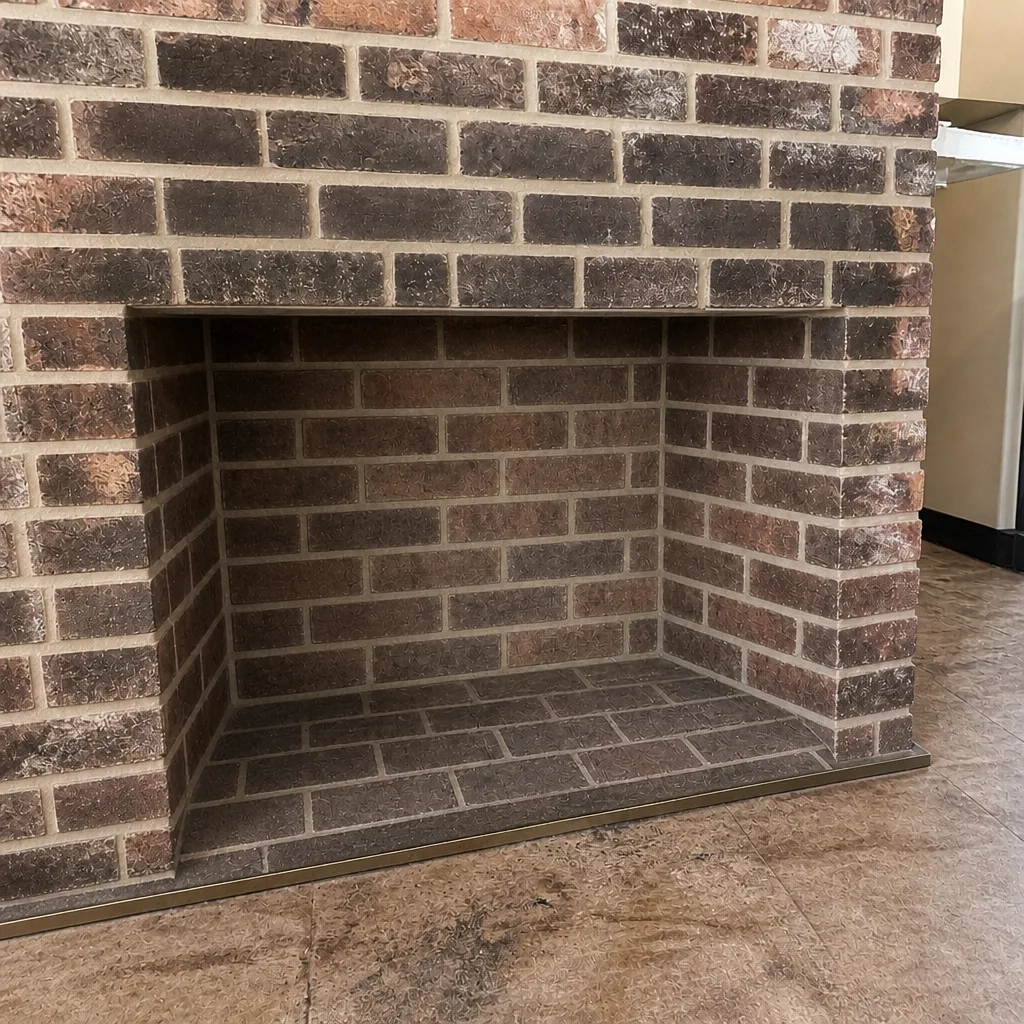
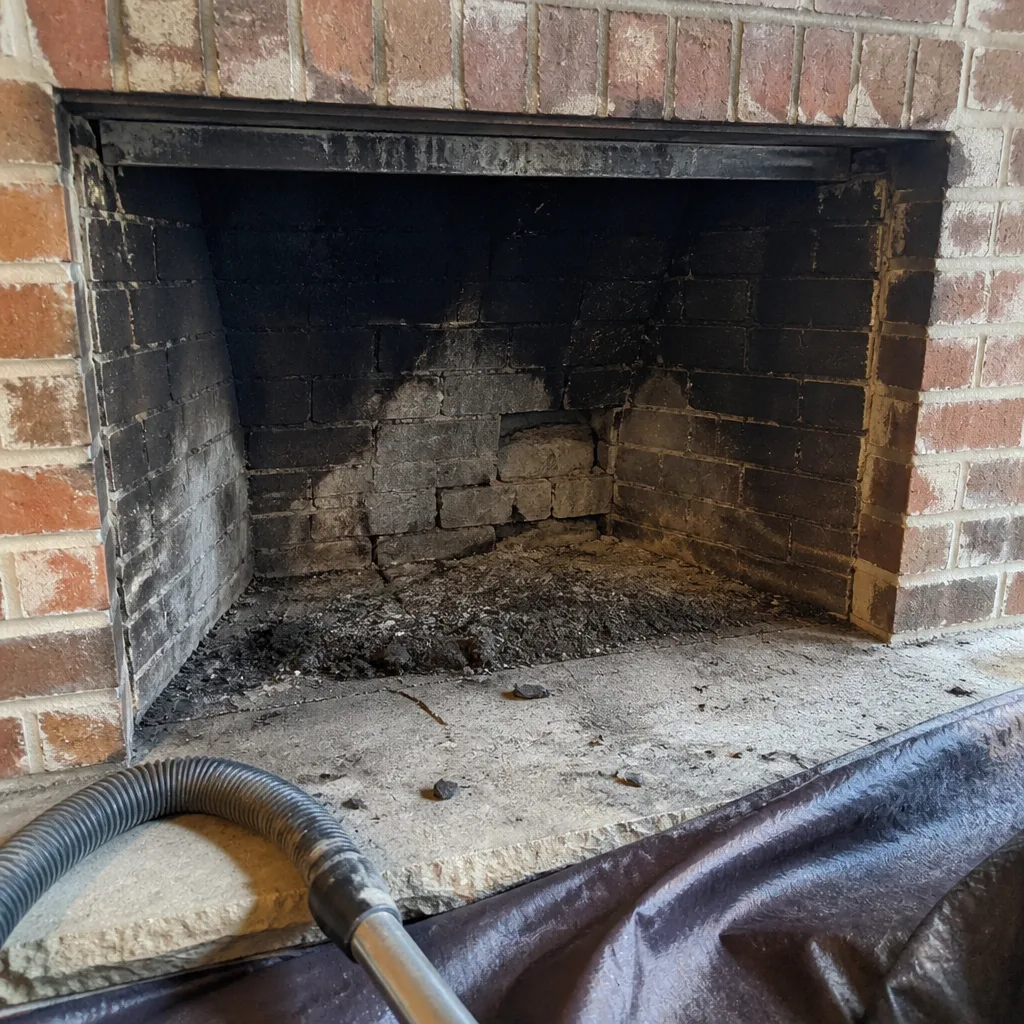
See the difference
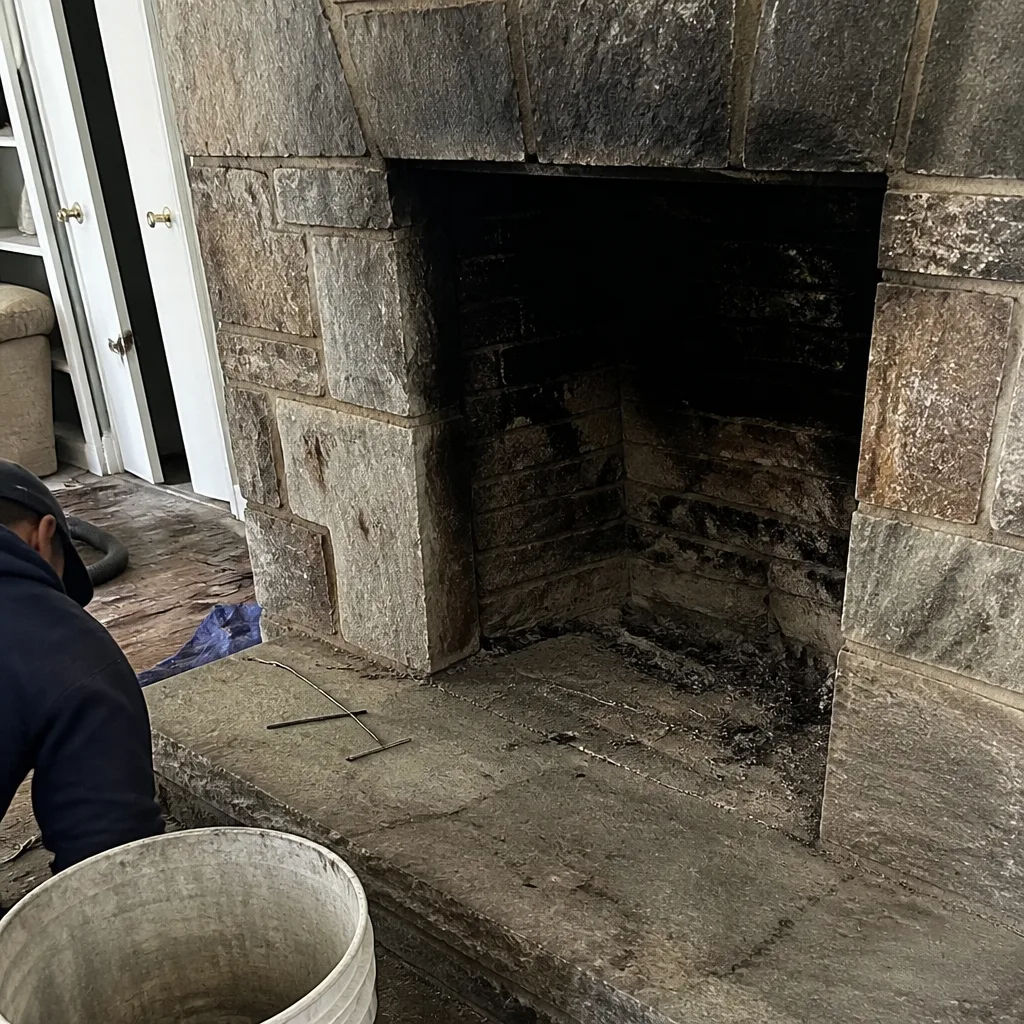 Before
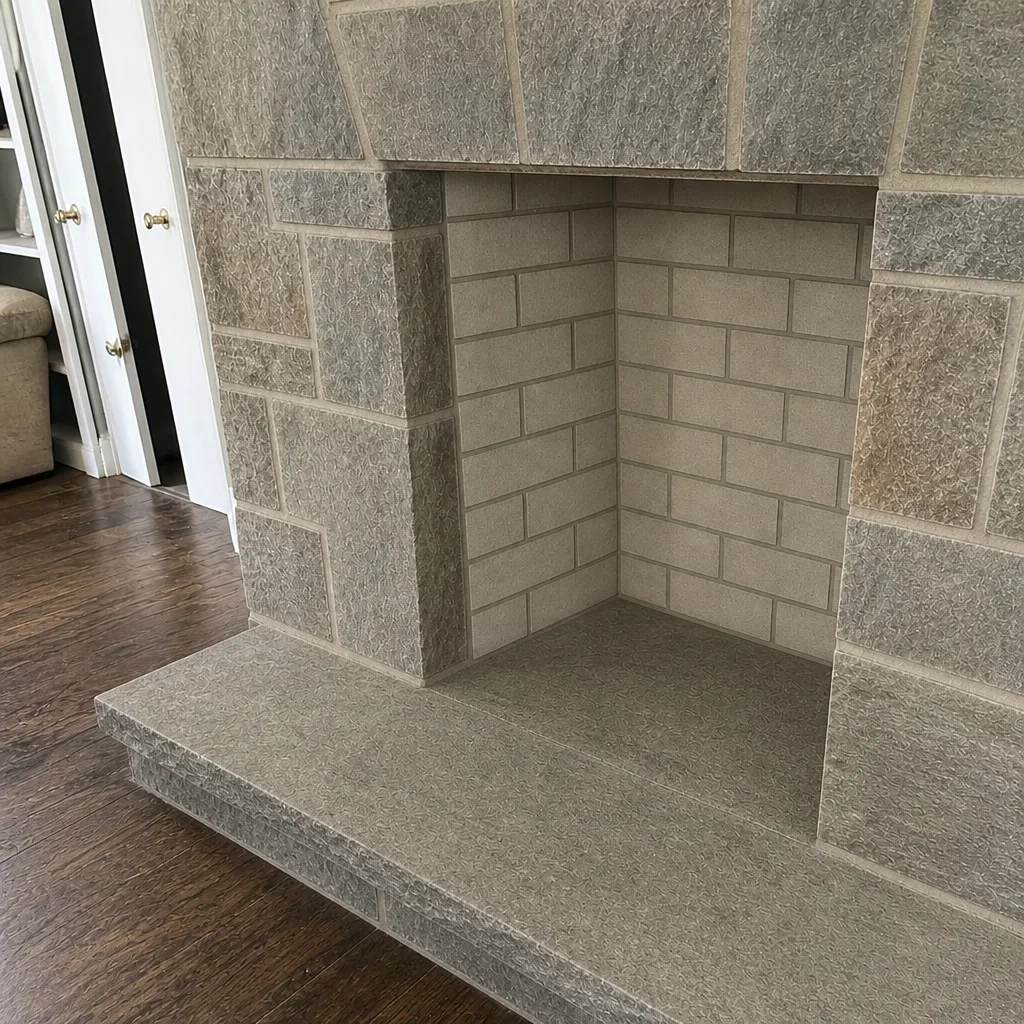 After
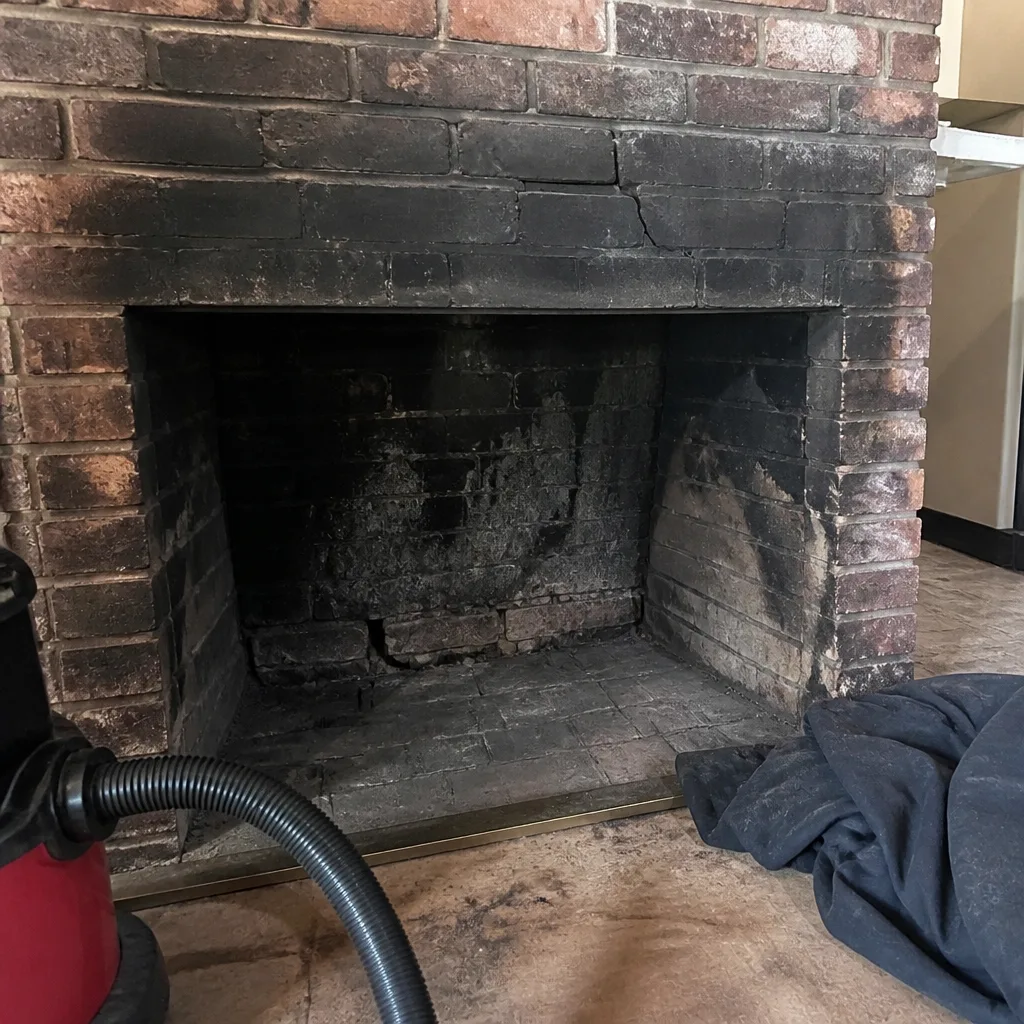 Before
 After
 Before
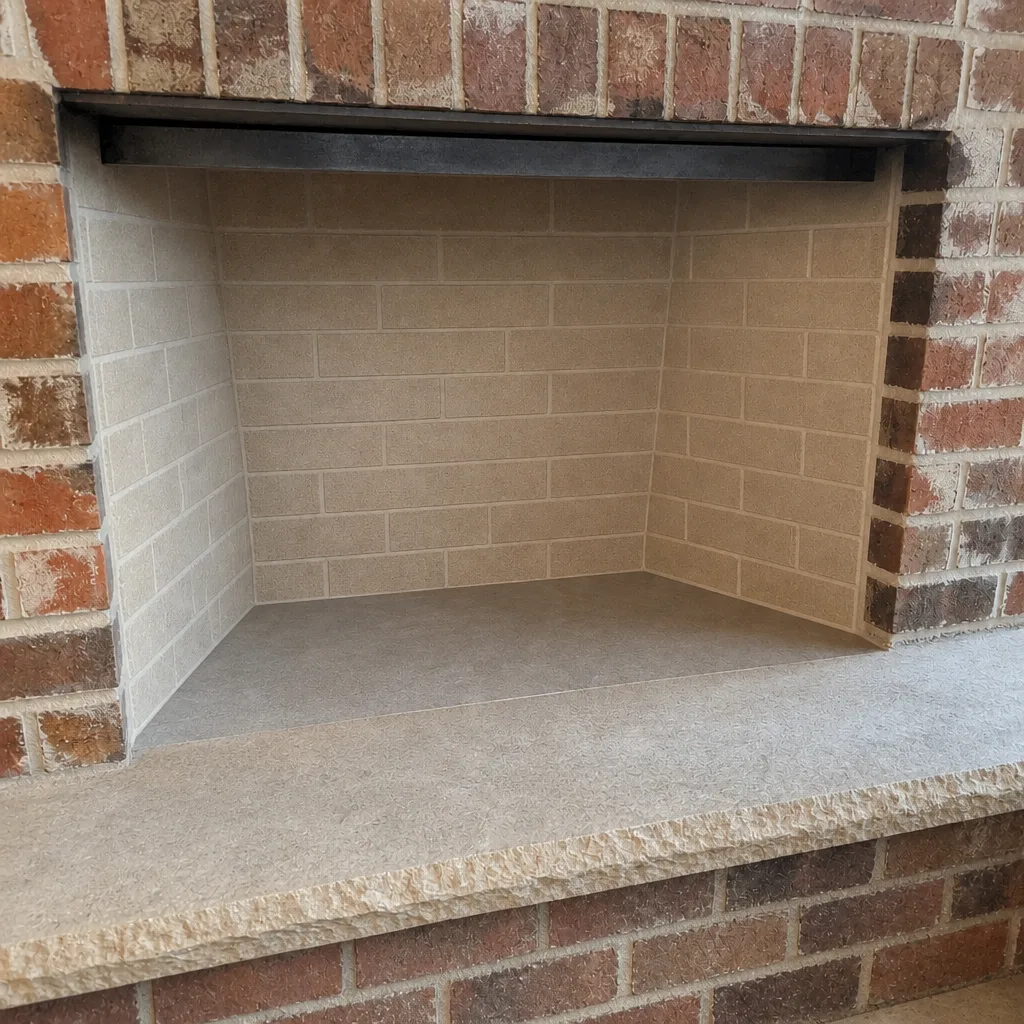 After
When to Call a Professional
Call a professional for any of these: the chimney hasn’t had a camera inspection in more than three years, it serves a gas appliance or an oil furnace, there’s any history of a chimney fire, the last inspection flagged anything, you’re in an attached rowhouse and don’t know the liner condition, or you’re seeing Stage 2 or Stage 3 creosote during a DIY attempt. Also call when a strange issue shows up: bad draft, soot falling into the firebox, water stains near the chimney on the ceiling or wall, or a smell you can’t place. Any of those in an older East New York home is worth professional eyes fast.
Our team offers free estimates in East New York. Call (855) 337-0826 to schedule. We answer 24/7. Fast dispatch from 7am to 7pm, Sunday through Friday. A call outside dispatch hours is booked into the next opening. The inspection is free to price, the estimate is written, and nothing gets recommended that we haven’t shown you the evidence for.
Frequently Asked Questions
You can, in one narrow scenario: occasional burning, a recent professional inspection that confirmed an intact liner, and a confirmed Stage 1 (flaky, light) creosote deposit only. Outside that scenario, DIY cleaning doesn’t accomplish the diagnosis that keeps the chimney safe, and the risk in an attached East New York rowhouse extends to adjacent properties. Call (855) 337-0826 for an exact quote on a professional sweep and inspection.
Pricing is set per job by the written estimate because no two chimneys are laid out the same. A standard sweep on a straightforward chimney is at one end of the range, and a sweep plus camera inspection plus a component repair is at the other. The estimate is free and itemized before you book. Call (855) 337-0826 for an exact quote.
A sweep is cleaning. An inspection is diagnosis: camera, visual on the liner and the roof-level components, and a written condition report. You need both, but they’re not the same service, and we offer inspection as a standalone service specifically so it can be booked without a repair attached. For East New York homeowners who aren’t sure about the liner condition, the inspection is the first step.
For a fireplace used regularly during the cold season, annual professional cleaning is the standard. For a chimney used only occasionally, the interval can stretch to a couple of years but the annual inspection should stay on schedule regardless. The inspection is what tells you when the next sweep is actually due.
Creosote accumulates and moves from Stage 1 toward Stage 2 and Stage 3, where the deposit is glazed and highly combustible. Cracks in the liner simultaneously go undetected because a brush doesn’t see them. The combination is what makes chimney fires possible. It’s not a sudden risk, and it can safely wait a few weeks to schedule properly, but skipping years of professional cleaning is not something to leave unaddressed. Call (855) 337-0826 to get on the schedule.
Not always. Many chimneys we inspect have intact liners that just need a proper clean. When the liner is compromised, HeatShield restoration can often resurface rather than fully reline. The only honest way to answer is the camera inspection, and we show the customer what we found so they can see it for themselves before we recommend any work. If it can safely wait, we say so.
No. Gas appliance chimneys are a carbon monoxide safety item, not a creosote cleaning item, and they belong in professional hands every time. If you’re not certain what your gas appliance venting looks like on the inside, that alone is a reason to call. Call (855) 337-0826.
Before heating season, so the chimney is confirmed safe before the first cold snaps arrive. Late summer and early fall are the natural window. If you’re already into the season, that’s still the time to book; a clean chimney in January is better than a risky one, and the estimate is free.
The Bottom Line
DIY chimney cleaning is a legitimately defensible choice in one narrow set of conditions: occasional burning, a recent professional inspection that documented an intact liner, and a confirmed Stage 1 deposit. Everywhere else, the brush can’t substitute for diagnosis. In East New York’s attached rowhouses, the risk of a shared-wall chimney fire extends past your own front door, and a camera inspection is the only way to establish whether the liner is actually sound. The professional brands we work with, from HeatShield and DuraFlex on the liner side to Olympia Chimney, Famco, and Gelco on the component side, exist because the repair outcomes depend on the specification. One call, full system. We inspect before we recommend. Call (855) 337-0826 for a free estimate. We answer 24/7. Fast dispatch from 7am to 7pm, Sunday through Friday.
Written by the team at Chimney Sweep East New York.