
Last updated November 22, 2026
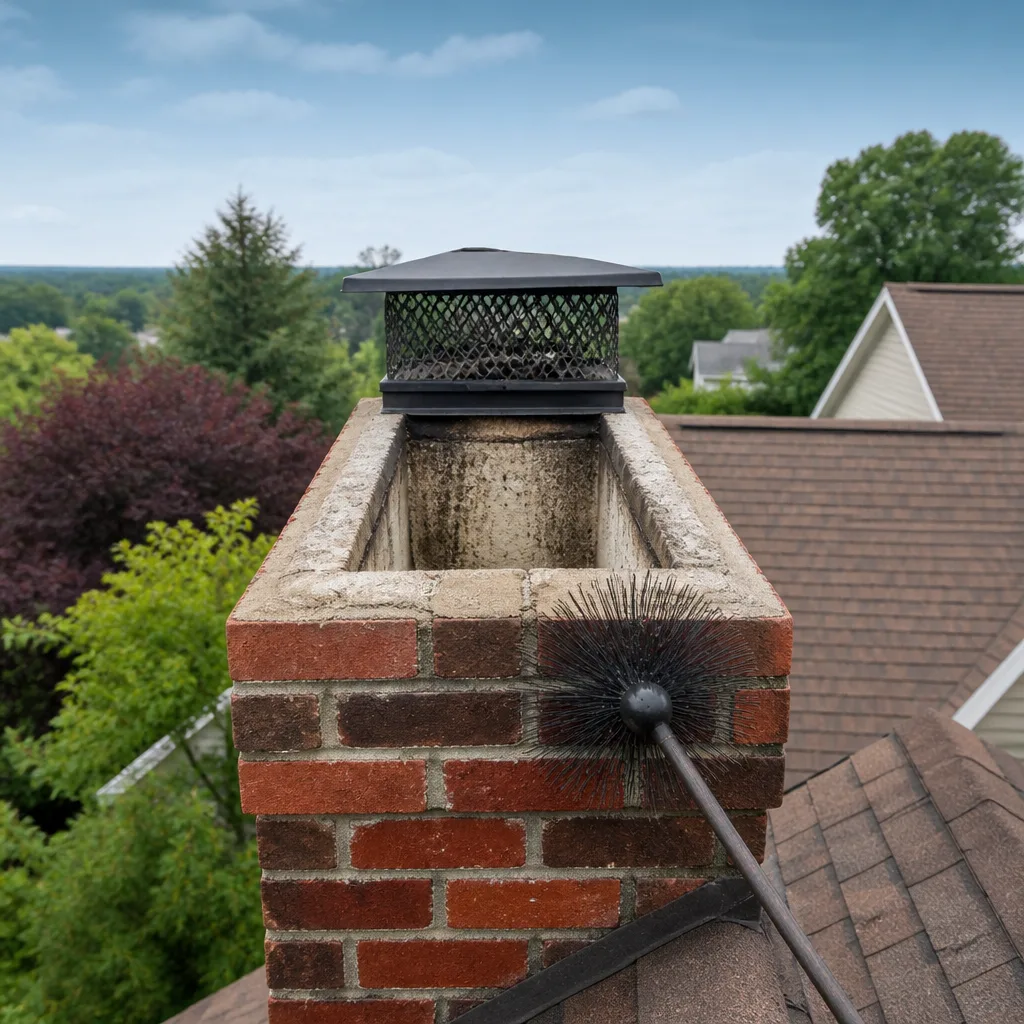 Sweep & inspection
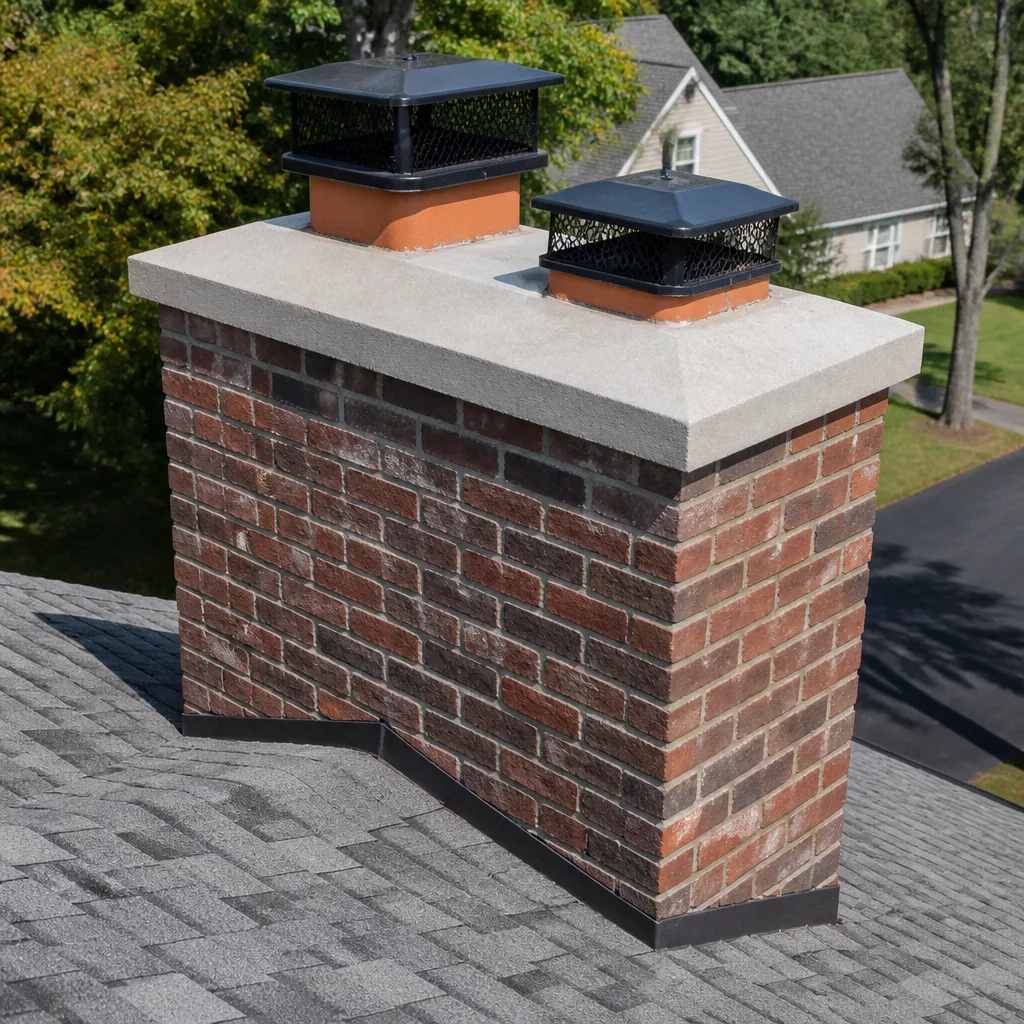 Caps & crowns
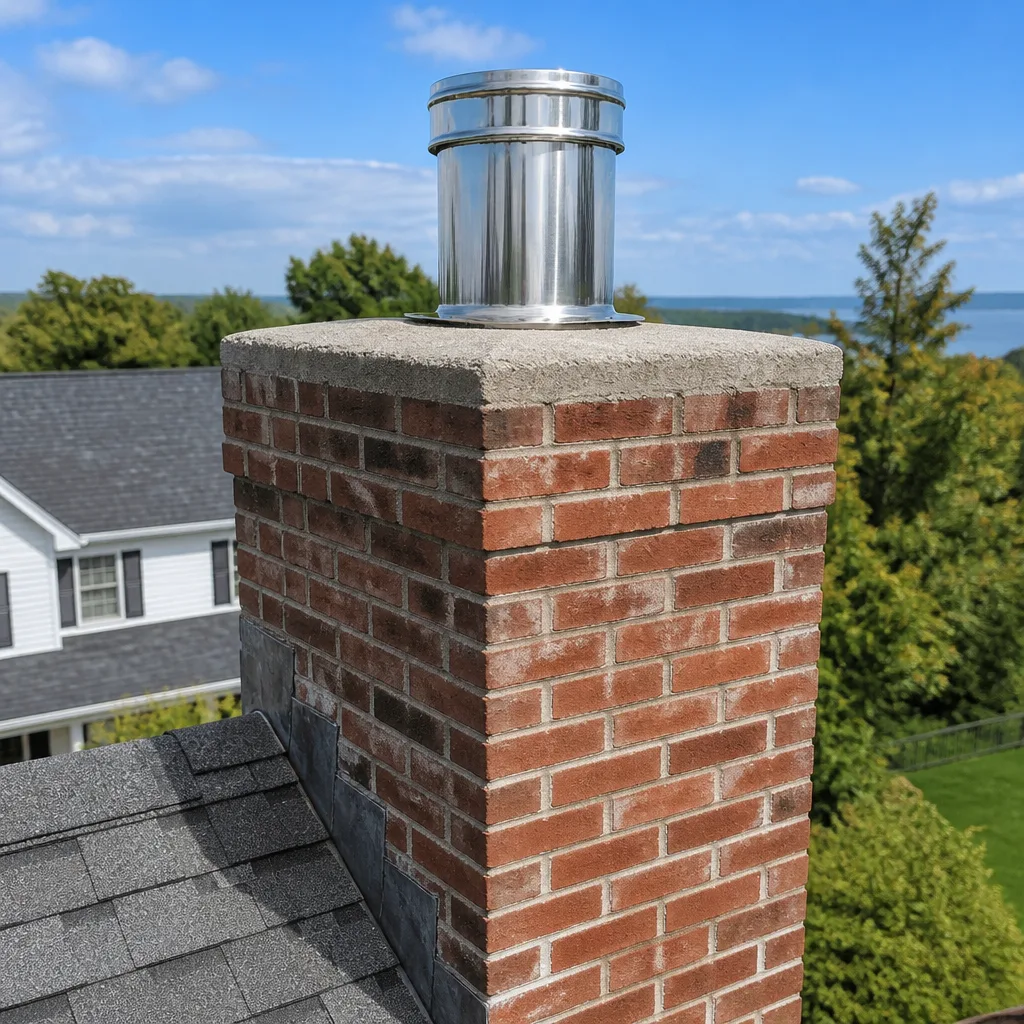 Flue relining
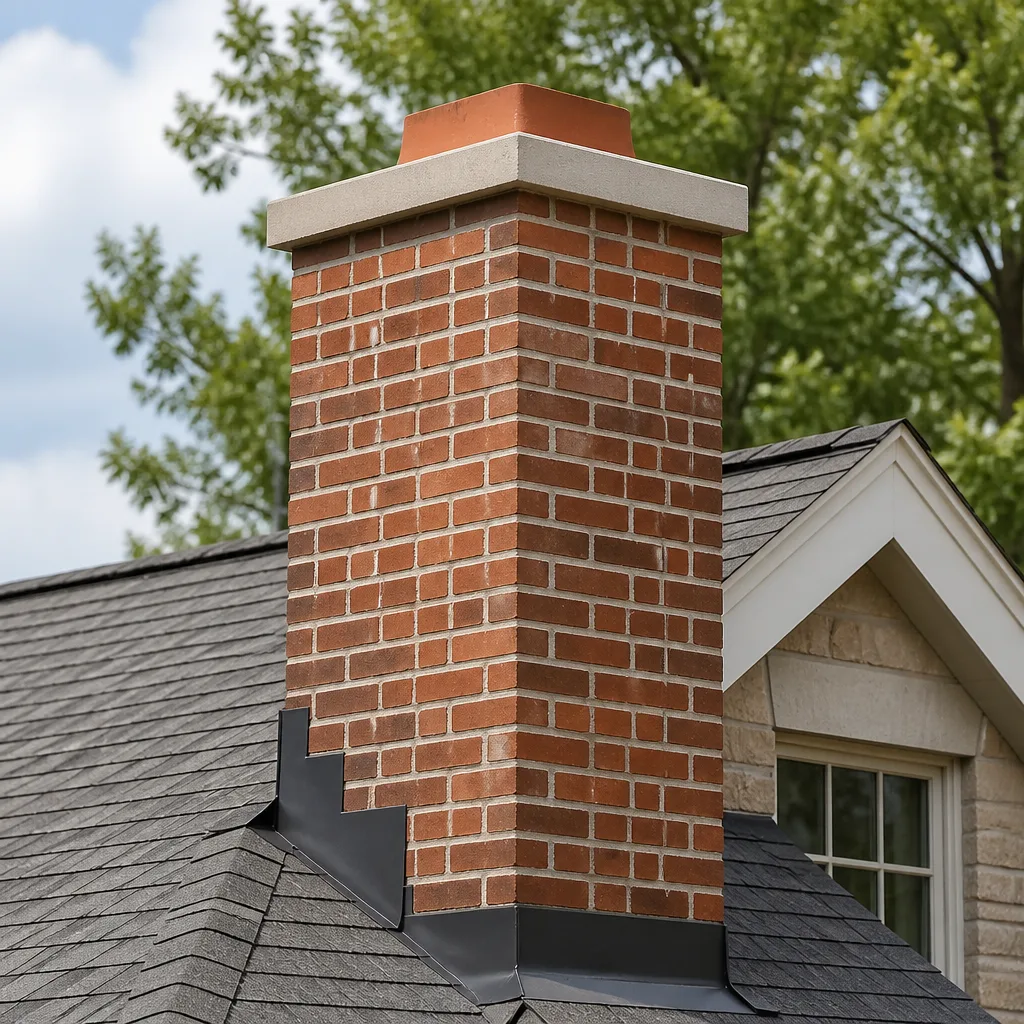 Masonry repair
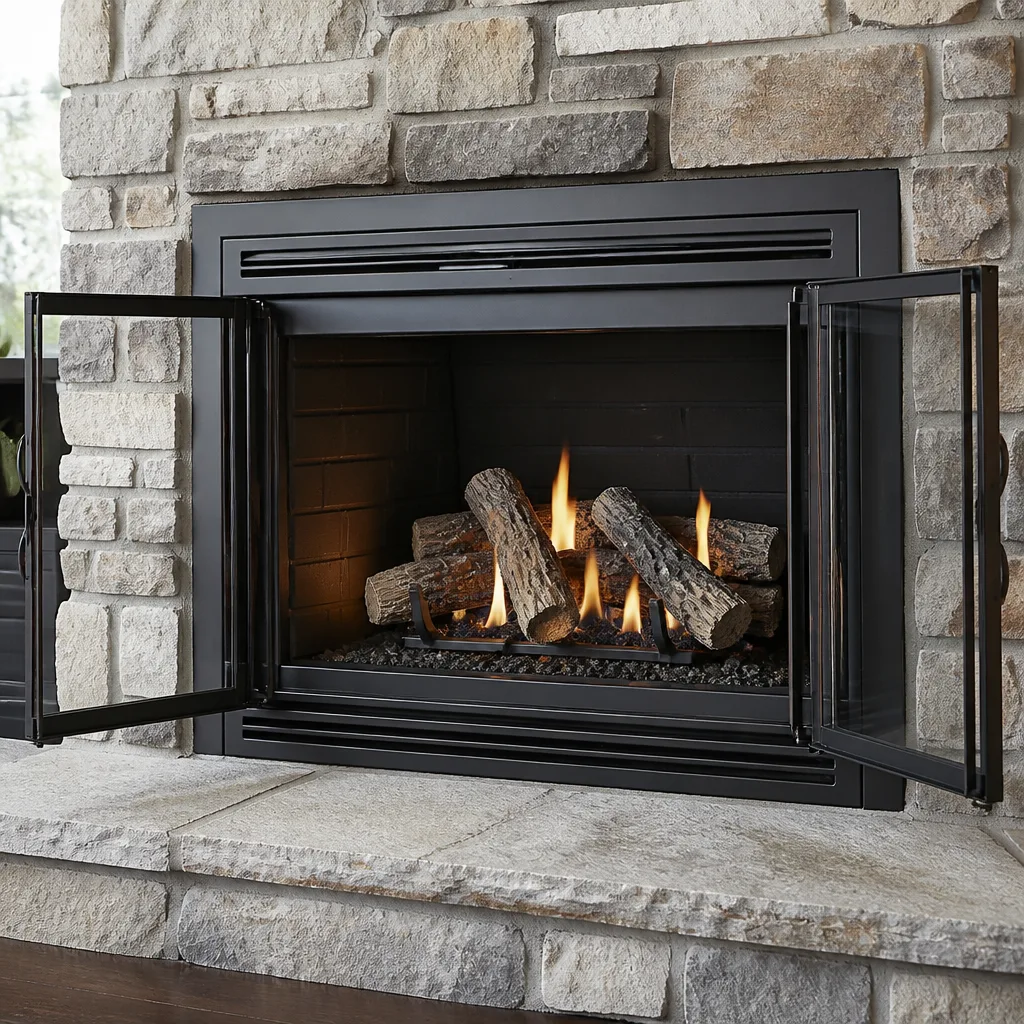 Gas fireplace service
Level 1 sweep and inspection to the NFPA 211 annual standard - flue, crown, cap, and flashing checked and photographed
Chimney sweep logs do not sweep chimneys. They loosen some creosote - which then falls where a brush and vacuum still have to collect it.
The Complete Guide to Chimney Cleaning in East New York
Most chimney fires in attached rowhouses go undetected until a neighbor calls 911. Not because the homeowner was careless, but because they hired someone who swept the flue and called it done. In East New York, where brick walls touch for block after block, a chimney problem doesn’t stay in one house. That’s the part most cleaning services skip: the flue is one component in a system that starts at the firebox and ends at the crown, and a sweep that ignores the rest tells you nothing about what you actually own. This guide maps that full system to the cleaning steps that matter, specific to Brooklyn’s housing stock and the fuels people burn here.
Quick Answer
Chimney cleaning in East New York means sweeping the flue, then inspecting the full system: firebox, smoke chamber, damper, liner, and crown. A proper service includes a camera inspection and a written report so you know what condition your chimney is in, not just that it was brushed. Most wood-burning chimneys need sweeping once a year or after roughly a cord of wood, and gas fireplaces still need annual cleaning for carbon deposits.
Styles & brands we work with
- Sweep & inspection
- Caps & crowns
- Flue relining
- Masonry repair
- Gas fireplace service
Table of Contents
- How East New York’s Housing Stock Shapes Chimney Behavior
- The Chimney as a System: What Gets Cleaned and Why
- The Three Stages of Creosote and What They Demand
- What a Camera Inspection Reveals That a Sweep Cannot
- Gas Fireplaces Still Need Cleaning
- CSIA-Certified Sweep vs. a Handyman’s Chimney Cleaning
- How Often Should You Schedule Cleaning?
- What a Full Cleaning Visit Looks Like, Step by Step
How East New York’s Housing Stock Shapes Chimney Behavior
East New York is dominated by attached brick rowhouses and converted two-family homes, and that housing type changes how a chimney drafts and how creosote builds. In a detached house, a chimney has four exposed sides and draws air from every direction. In a rowhouse, the chimney is often built into a shared masonry mass, sometimes sharing a wall with the neighbor’s flue. The stack stays colder on the outside faces it does have, and a colder flue is a flue that builds creosote faster.
Here’s the mechanism. When flue gases cool before they exit the top, they condense on the liner walls. That condensation is creosote, and it accumulates fastest in the upper sections of a rowhouse chimney where the masonry is thinnest and the ambient temperature is lowest. In East New York, the shoulder seasons make this worse: a homeowner lights a small fire on a mild evening, the flue never reaches proper operating temperature, and the smoke lingers and condenses. Those cool, smoldering fires are the single biggest contributor to heavy deposits in this neighborhood’s chimneys.
Converted two-families add another wrinkle. When a single-family rowhouse gets divided, the original chimney sometimes serves appliances on both floors: a wood stove or fireplace on one level and a gas boiler or water heater flue on the other. That shared chase means one flue can affect the draft of another, and a cleaning that treats each flue as independent can miss the interaction. We’ve seen this pattern repeatedly in East New York’s converted buildings, and it’s a good reason to know the full flue configuration before anyone starts brushing.
One more local factor: many of these chimneys were built for coal and later repurposed for wood or gas. The original flue tiles may be oversized for a modern wood appliance, which means reduced draft velocity and slower smoke exit. A sweep who doesn’t check flue sizing is cleaning a chimney that may be underperforming by design.
The Chimney as a System: What Gets Cleaned and Why
A chimney is a system, not just a flue. Cleaning only the flue is like changing one tire and calling the car serviced. Each layer of the system has a cleaning and inspection step, and each one tells you something the others can’t.
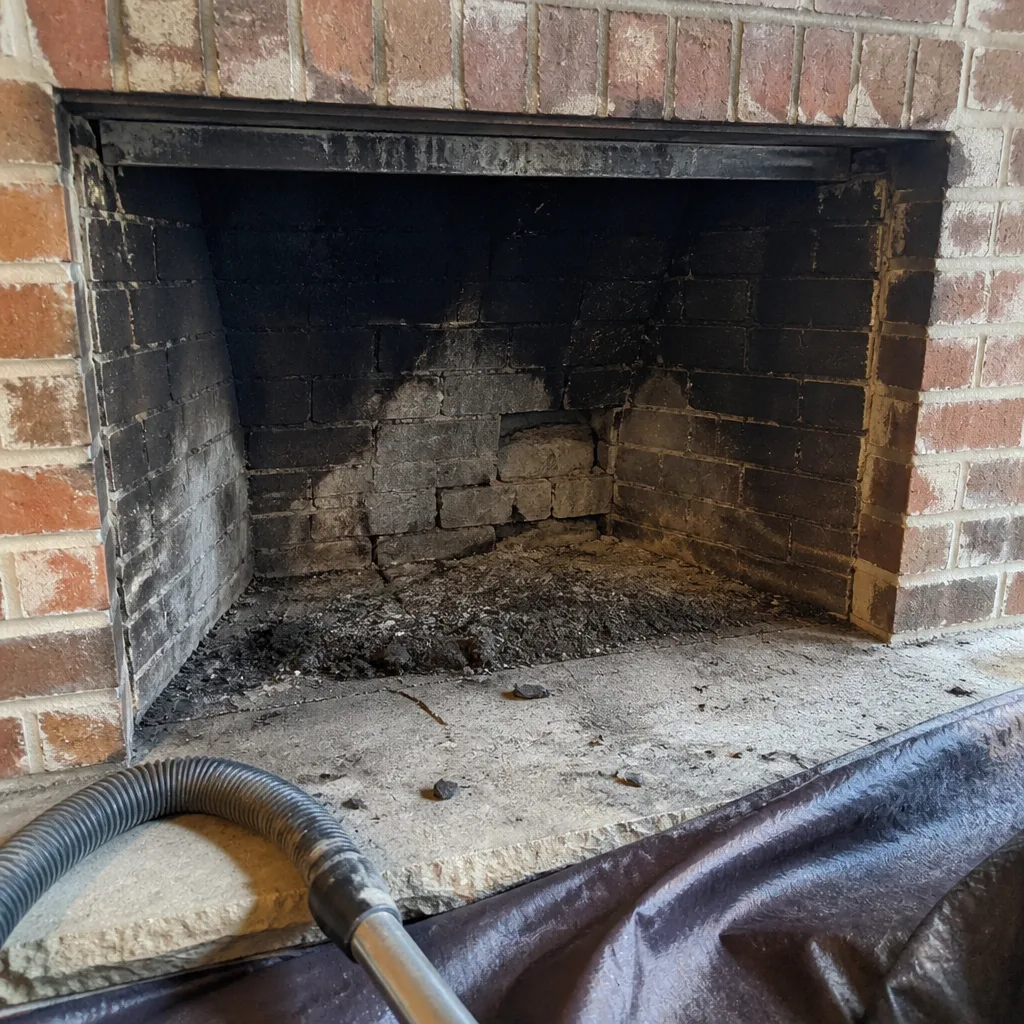
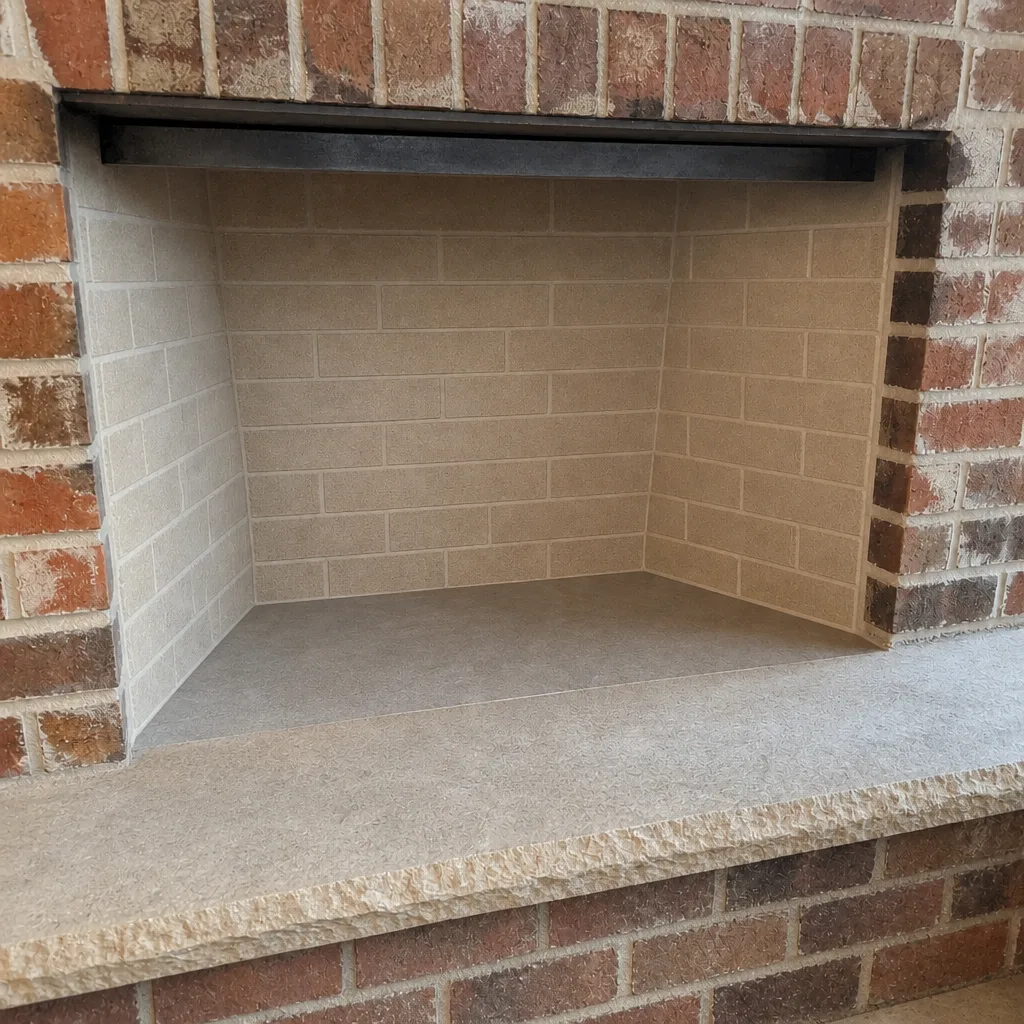
- Firebox. The combustion chamber where fuel burns. Cleaning here means removing ash, soot, and any deteriorated firebrick or mortar joint. Cracked firebrick lets heat reach the masonry behind it.
- Damper. The metal door above the firebox that controls draft. It gets cleaned and tested for smooth operation; a damper stuck partly closed starves the fire and drives up creosote.
- Smoke chamber. The sloped area above the damper where smoke gathers before entering the flue. This is where soot collects in corners a brush can’t reach, and where a camera earns its keep.
- Flue liner. The clay tiles or metal liner that carries smoke up and out. Sweeping removes creosote; inspection checks for cracks, gaps, and offset joints.
- Crown and cap. The concrete top and the cover that keep water and animals out. A cracked crown lets water into the masonry, and water is the slow killer of every chimney in Brooklyn.
Cleaning across all five layers is what separates a full-system service from a flue sweep. It’s also why we approach a chimney as a complete assembly: sweeping, inspection, chimney cap & crown, repair, and fireplace work under one contractor, with no handoff to a second crew mid-project. When a problem turns up in the smoke chamber, the same visit can diagnose it rather than leaving you to find someone else.
For East New York homeowners, this matters most in older rowhouses where the crown has likely been patched more than once. If a cleaning service never looks at the crown, you won’t know it’s failing until water is already inside the chimney.
The Three Stages of Creosote and What They Demand
Creosote isn’t one substance. It forms in three stages, and each stage demands a different response. This is where a lot of “chimney cleaning East New York NY” searches end in disappointment, because a standard sweep handles only the first stage.
- Stage 1: Sooty, flaky deposits. Light and brushable. A standard sweep with a properly sized brush removes it. This is the creosote a routine annual cleaning is designed for.
- Stage 2: Crusty, flaky deposits. Denser and harder to remove. Brushing helps, but some of it clings. This stage usually points to recurring cool fires or a draft problem that needs addressing, not just cleaning.
- Stage 3: Glazed, hardened deposits. Baked onto the liner like a coating of tar. A brush skips right over it. Stage 3 creosote is the fuel load that turns a small flare-up into a chimney fire, and it’s common in wood-burning systems that run cold fires or burn unseasoned wood.
A Level 1 sweep, which is a visual check plus flue brushing, is appropriate when deposits are Stage 1 and the chimney is otherwise in known-good condition. It is not enough when Stage 2 or Stage 3 buildup is present. In those cases the work needs to escalate: more aggressive removal methods, and often a closer look at the liner to see whether glazed creosote has already damaged it. In our experience, the wood-burning systems in East New York that get the heaviest Stage 3 deposits are the ones burning green or wet wood and damping the fire down overnight.
This is also where restoration capability matters. When a liner is too compromised for glazed creosote to be safely cleaned away, the answer isn’t always a full reline. HeatShield, a proprietary resurfacing system we apply, restores a liner from the inside without tearing it out, and DuraFlex flexible liners handle the cases that do need relining. Both are professional-grade product lines that sweep-only operations can’t offer, and both mean the fix is matched to the damage rather than to whatever the contractor happens to stock.
What a Camera Inspection Reveals That a Sweep Cannot
A visual sweep sees the flue from the top and bottom, and only as far as the light reaches. A camera inspection sees the whole interior. The difference shows up in three specific places that a brush-and-go visit misses:
- Liner cracks. A hairline crack in a clay tile lets heat and carbon monoxide reach the masonry and the house structure. From the top with a flashlight, it’s invisible. On camera, it’s plain.
- Offset joints. Where flue tiles step or misalign, creosote lodges in the ledge and a brush rides right past it. Camera footage shows the gap and how much has collected.
- Mortar deterioration in the smoke chamber. The sloped chamber above the damper is the hardest area to see and the easiest place for mortar to crumble. Loose mortar there can fall and block the flue.
We put the camera result in a report with photos, so a homeowner can see exactly what the technician saw. That’s the point of offering chimney repair as its own step rather than a package: an assessment should stand on its own, and nothing should get recommended that the customer can’t verify on the footage. We inspect before we recommend, and a photo report is included with the visit.
For East New York’s older attached rowhouses, camera inspection is especially worthwhile because shared and rebuilt chimneys tend to carry surprises. A previous owner’s patch job, a shifted tile, a partially blocked flue from a long-removed appliance: these show up on camera and stay hidden from a sweep.
Gas Fireplaces Still Need Cleaning
A gas fireplace does not burn wood, so there’s no creosote, which leads many East New York homeowners to skip annual cleaning entirely. That’s a mistake. Gas logs and burners leave carbon deposits and, over time, can leave debris that blocks burner ports and changes how the flame burns. An annual cleaning and inspection keeps a gas fireplace burning the way it was designed to.
There’s a safety side too. A gas appliance depends on a clear flue and a properly functioning vent. If a vent is obstructed, combustion byproducts, including carbon monoxide, can back up into the room instead of going up and out. That’s not a reason to panic, but it is a reason not to treat a gas fireplace as maintenance-free. The chimney is still a system, and the vent is still doing the same job it did for wood.
Many East New York conversions swap a wood fireplace for a gas insert and then stop thinking about the chimney above it. But that chimney still has a crown weathering, a cap that could be loose, and a liner that needs its condition confirmed. Cleaning a gas system means checking the vent path as carefully as cleaning a wood flue means sweeping out creosote. If you’ve had a gas conversion, ask for the vent to be inspected, not just the firebox wiped down.
CSIA-Certified Sweep vs. a Handyman’s Chimney Cleaning
The scope of work is the difference. A general handyman offering chimney cleaning typically brushes the flue from the roof, hauls away soot, and leaves. A CSIA-certified sweep works to a defined scope that includes a condition assessment of the full system and documentation of what was found. In practice, that means:
- A certified sweep evaluates the firebox, damper, smoke chamber, liner, crown, and cap as a system, not just the flue.
- Findings are documented, including camera photos where the chimney warrants it.
- Recommendations are tied to observed conditions, not to a package the contractor wants to sell.
- Repair and restoration work uses professional-grade materials specified for chimney systems, which is a different supply chain than a handyman’s hardware store run.
We work with six industry-recognized professional brands, among them DuraFlex, HeatShield, Olympia Chimney, Gelco, Famco, and Copperfield. Those names matter because they’re the product lines certified chimney professionals specify, not big-box substitutes, and access to Famco and Copperfield reflects professional supply relationships a generalist contractor simply doesn’t have. Our technicians have up to 12 years of experience, and the local pro performing the work is licensed and insured as their state requires.
When you’re comparing quotes in East New York, ask what the sweep covers: is the crown checked, is the smoke chamber looked at, is a camera used, do you get photos? A price that only covers brushing the flue isn’t cheaper, it’s just less work.
How Often Should You Schedule Cleaning?
Most wood-burning chimneys need sweeping once a year, or after roughly a cord of wood has been burned, whichever comes first. That’s the baseline, and it holds for most homes in East New York. The timing gets more specific when you look at how the chimney is used:
- Wood-burning fireplace or stove used regularly: annual sweep, and have the liner inspected at the same visit.
- Occasional fires, a few times a month in season: annual inspection is still worth it, even if a full sweep isn’t needed every year.
- Gas fireplace or insert: annual cleaning for carbon deposits and a vent check.
- Any appliance converted from one fuel to another: a condition inspection before the first season, then annually.
- A chimney you’ve never had inspected: schedule one, regardless of how recently it was “cleaned.”
Season matters in Brooklyn. The cold stretch from late fall into winter is when chimneys work hardest, and a sweep booked before the burning season starts is a sweep that catches problems before you need the fireplace. A cleaning right before the first sustained cold snap gives you the whole season on a known-good chimney.
For a straightforward annual sweep of a wood-burning flue, the typical East New York cost runs roughly $180 to $280 depending on liner condition and access. A full inspection with camera work and a written photo report typically lands higher, in the $250 to $450 range. When a visit turns up a liner that needs restoration with HeatShield or relining with DuraFlex, that’s a separate project estimate, and the written estimate sets the final price. We’d rather tell you cleaning is all your chimney needs than sell work it doesn’t.
What a Full Cleaning Visit Looks Like, Step by Step
A proper cleaning is a sequence, not a single action. Here’s how a full-system visit runs, and why each step follows the last:
- Protect the room. Drop cloths and a sealed work area, so soot stays in the chimney, not on your furniture.
- Check the firebox and damper. Ash removal, firebrick condition, damper operation.
- Sweep the flue. A brush sized to the liner, worked from the top or bottom as the setup requires, removing loose creosote and soot.
- Run the camera. The full liner, offset joints, and smoke chamber, with photos taken of anything that needs documenting.
- Inspect the crown and cap. Cracks in the crown and the condition of the cap, since water intrusion and animals are two of the most common chimney problems.
- Talk through the results. What was found, what can safely wait, and what needs attention before the next burning season.
We put the sweep on a flat-price basis, agreed before the visit so you know the number going in, and the camera report comes with it. For the sweep itself, we’re set up to handle the full job, and you can reach out through Chimney Sweep East New York to get on the schedule. If a repair does turn up, the same team that found it can do the work, whether that’s a crown repair, a chimney sweep follow-up, or a liner restoration, using professional-grade materials rather than a temporary patch.
One step worth calling out: the report conversation. If nothing needs doing, we say so. If there’s a recommendation, it comes with camera evidence attached, and if the work can safely wait a season, you’ll hear that too.
Common Mistakes to Avoid
- Sweeping the flue and calling it a cleaning. A brush down the flue leaves the crown, smoke chamber, and liner condition unchecked. You end up knowing the least important thing about your chimney.
- Treating a Level 1 sweep as enough for glazed creosote. Stage 3 deposits don’t come off with a brush, and a service that doesn’t check the creosote stage can’t tell you which cleaning you actually need.
- Skipping gas fireplace cleaning. No creosote doesn’t mean nothing to clean. Carbon deposits and a blocked vent are real, and they’re easy to miss without a look.
- Hiring a handyman for a chimney “cleaning.” The scope is narrower than a certified sweep’s, the materials aren’t chimney-grade, and there’s no camera work to document condition.
- Ignoring the crown until water’s inside. In East New York’s rowhouses, a cracked crown lets water soak into shared masonry, and that damage spreads quietly.
- Burning green or wet wood to “save money.” It makes the fire run cold, and cold fires are what drive Stage 2 and Stage 3 creosote buildup.
- Never inspecting a chimney you inherited. In a converted two-family, the flue configuration may not be what you expect. An inspection tells you what you’ve actually got.
See the difference
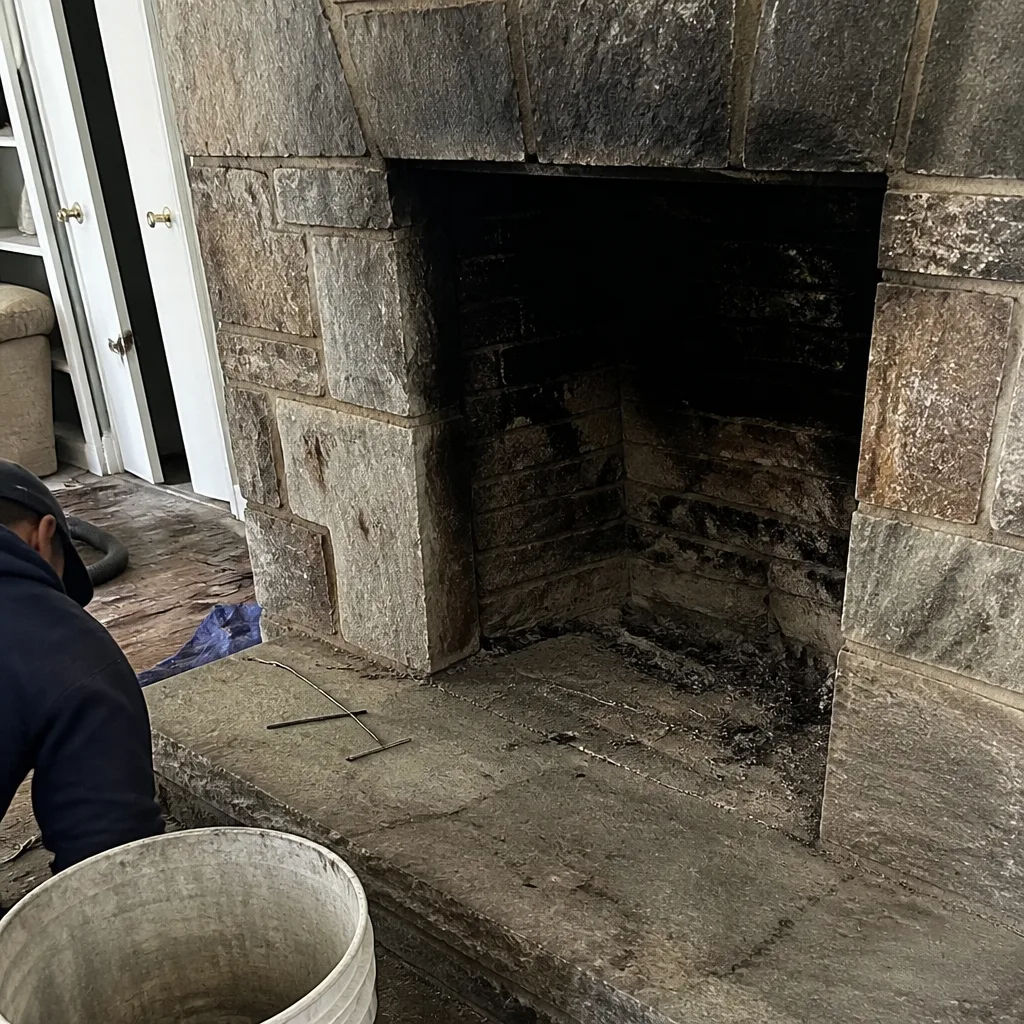 Before
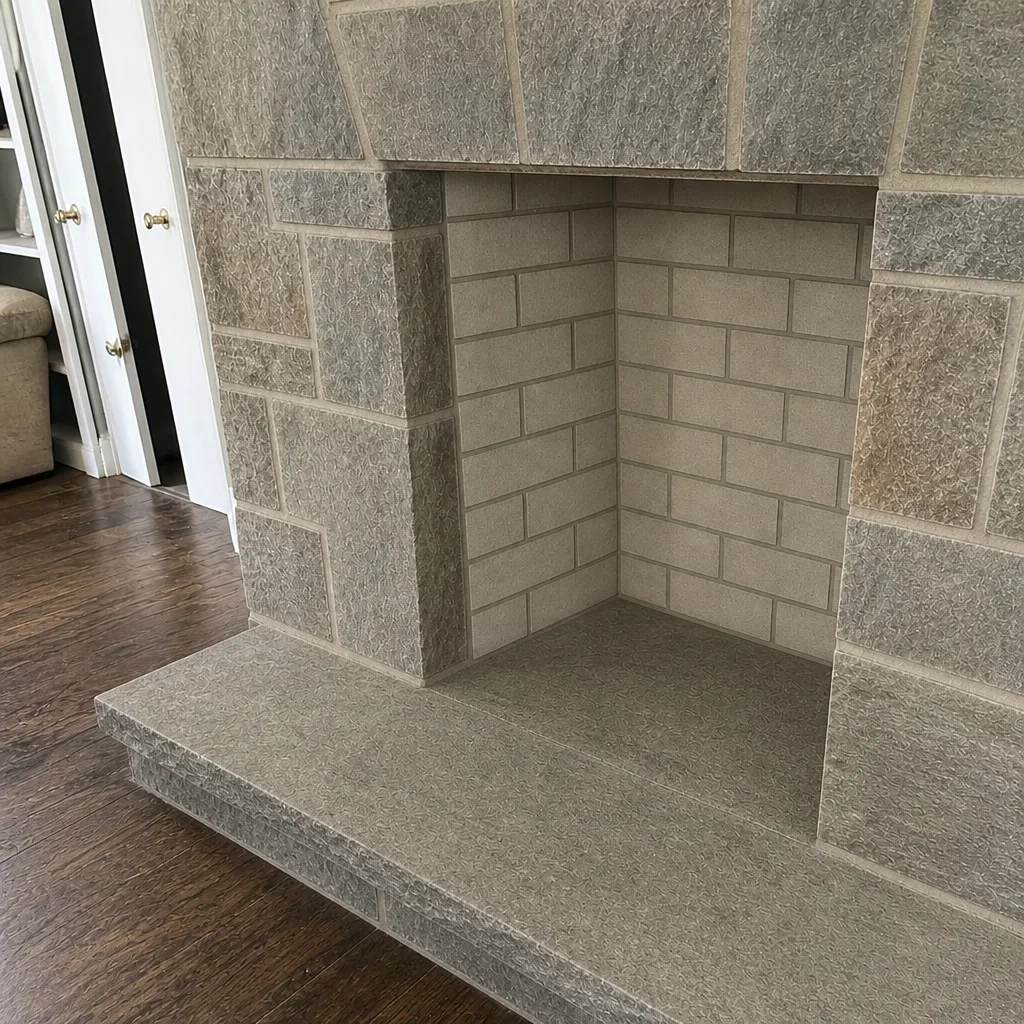 After
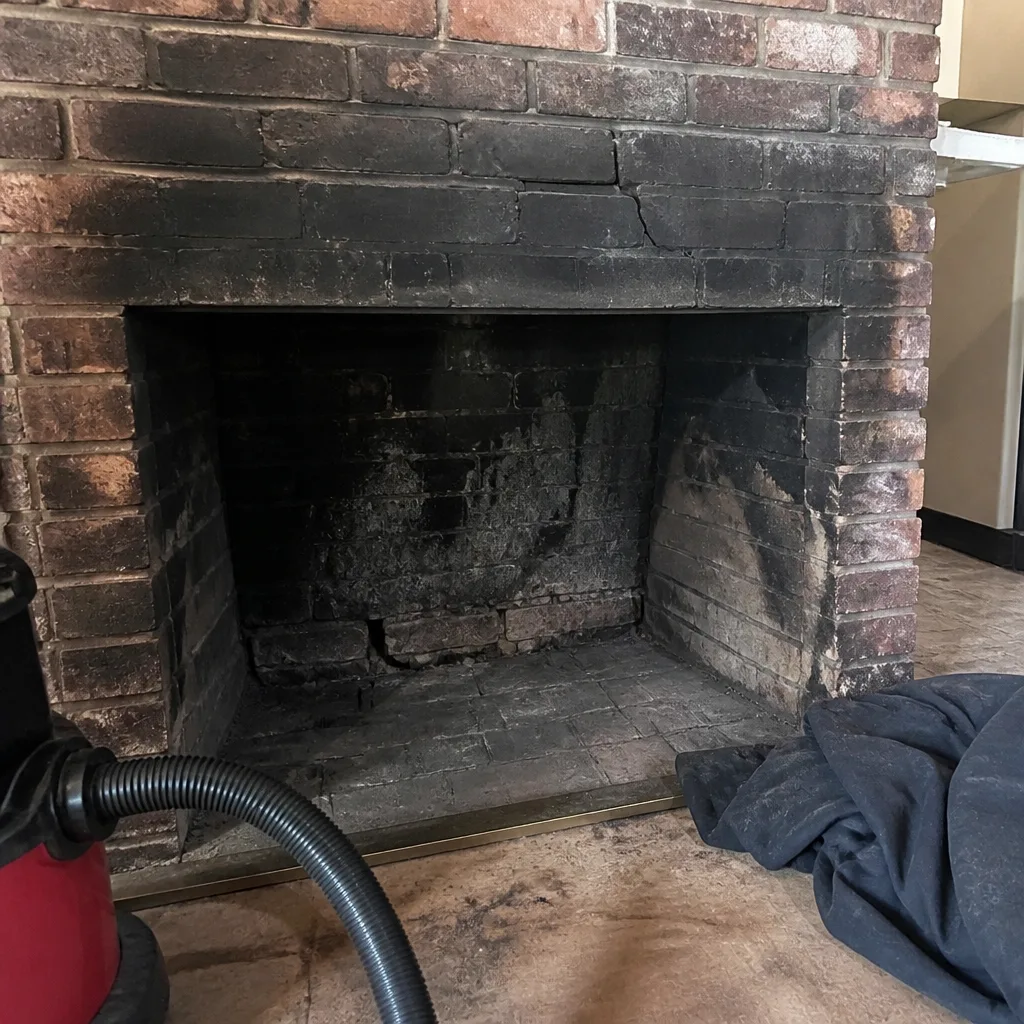 Before
 After
 Before
 After
When to Call a Professional
Call a professional when you don’t know the last time the chimney was cleaned, when deposits are glazed or crusty rather than flaky, or when you’ve never had the crown and cap checked. Call when a gas fireplace has gone a year or more without service, or when you’ve just moved into a converted two-family and don’t know how the flues are configured. And call if you’ve had a chimney fire, even a small one, because the liner needs a camera inspection afterward regardless of how it looks from outside. These are exactly the situations a general handyman isn’t set up to handle.
Chimney Sweep East New York offers free estimates in East New York. Call (855) 337-0826. We answer 24/7. Fast dispatch from 7am to 7pm, Sunday through Friday.
Frequently Asked Questions
A typical annual sweep of a wood-burning flue in East New York runs roughly $180 to $280, and a fuller inspection with camera work and a written photo report typically lands in the $250 to $450 range. The written estimate sets the final price, and any liner restoration or relining is quoted separately. Call (855) 337-0826 for an exact quote; estimates are free.
Only if the camera inspection shows the liner is actually compromised, cracked, or too damaged for glazed creosote to be safely cleaned away. Many chimneys don’t need a full reline at all, and a resurfacing system like HeatShield can restore a liner from the inside without tearing it out. You shouldn’t accept a reline recommendation you can’t see on camera, so ask for the footage. Call (855) 337-0826 if you want a second look.
Once a year for most wood-burning chimneys, or after roughly a cord of wood, whichever comes first. Gas fireplaces still need an annual cleaning for carbon deposits and a vent check. If your chimney has never been inspected, schedule one regardless of how recently it was brushed. Call (855) 337-0826 to get on the schedule before burning season.
Creosote keeps building, and at Stage 3 it glazes onto the liner as a hardened, fuel-rich layer that a brush won’t remove; that buildup is what turns a small flare-up into a chimney fire. Skipping cleaning also means no one is looking at the liner, crown, or smoke chamber, so developing problems go unnoticed. The fix is a sweep and a camera inspection. Call (855) 337-0826 for a free estimate.
Attached brick rowhouses and converted two-families keep the chimney colder than a detached house, and a cold flue condenses smoke faster. Cool, smoldering fires in the shoulder seasons make it worse. That pattern drives heavier buildup, especially in the upper sections where the masonry is thinnest. A camera inspection shows exactly how much has collected and where.
A handyman can brush the flue, but that’s a narrower scope than a certified sweep works to. A CSIA-certified sweep checks the firebox, damper, smoke chamber, liner, crown, and cap as a system, documents findings with photos, and uses professional-grade chimney materials for any repair. In East New York’s older rowhouses, that full-system check is what tells you what you actually have.
The Bottom Line
Chimney cleaning in East New York is a full-system inspection, not a flue brush-down. The housing stock, the cold rowhouse flues, and the prevalence of cool fires all push creosote buildup faster than a detached home would see, and Stage 3 glazed deposits demand more than a Level 1 sweep. A camera inspection shows what a visual sweep can’t, gas fireplaces need annual cleaning too, and a certified sweep’s scope is the only way to know your chimney’s real condition. We inspect before we recommend, document findings with photos, and use professional-grade materials from DuraFlex, HeatShield, and Olympia Chimney when repair is needed. Proper repair, not a patch.
Chimney Sweep East New York is your full-system chimney specialist for sweeping, inspection, cap and crown, repair, and fireplace work. Call (855) 337-0826 for a free estimate. We answer 24/7. Fast dispatch from 7am to 7pm, Sunday through Friday.
Written by the team at Chimney Sweep East New York.